
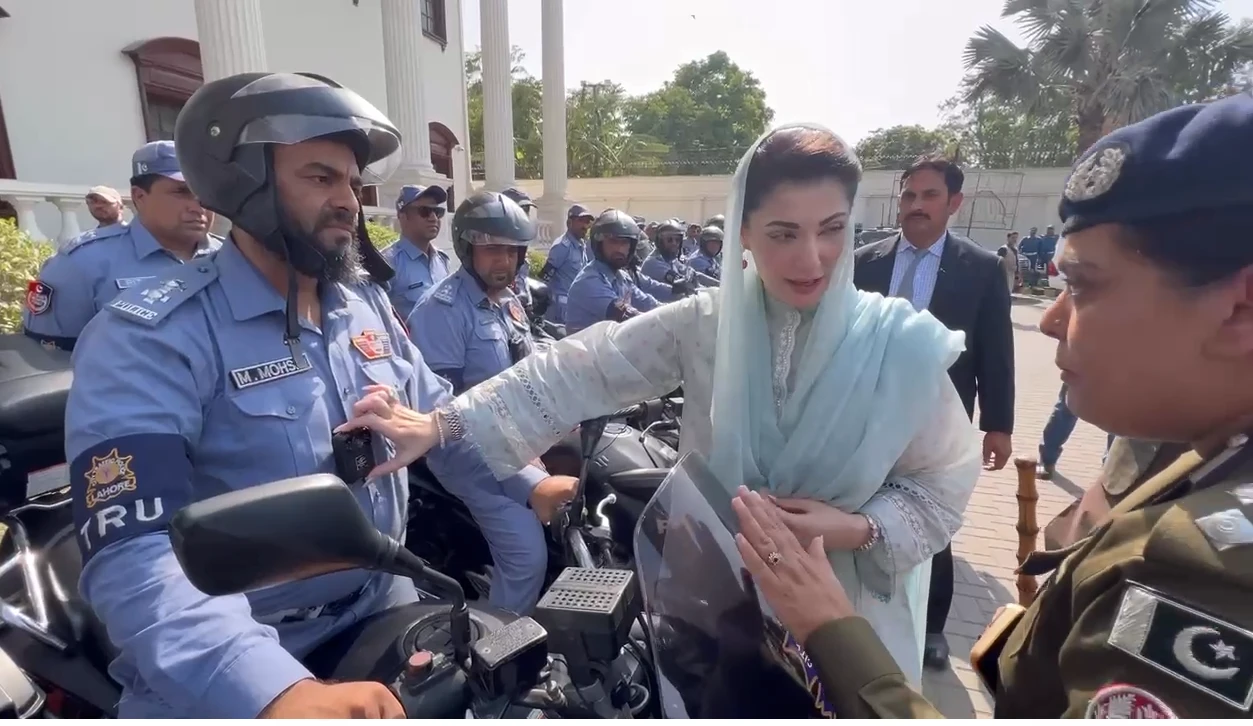
Punjab’s provincial government has taken decisive steps to overhaul its traffic management system through a comprehensive 100-point reform plan. Chief Minister Maryam Nawaz has spearheaded this initiative, which addresses multiple aspects of road safety and traffic control across the province. The ambitious program comes as response to growing public concerns about traffic congestion, road accidents, and enforcement challenges.
The reform package introduces several immediate changes to traffic enforcement procedures. Within the next week, major cities will receive body cameras for traffic police, with smaller municipalities following suit. The plan significantly increases penalties for traffic violations while modernizing enforcement through digital challan systems. A special crackdown targets unauthorized rickshaws that contribute to urban congestion and safety hazards.
Infrastructure improvements form another key component of the reforms. The government has mandated road engineering upgrades and installation of enhanced signage across the province. The Safe Cities Authority has been tasked with deploying public awareness screens within 45 days to educate citizens about traffic regulations. These physical improvements aim to complement the stricter enforcement measures.
The implementation schedule demonstrates the government’s urgency in addressing traffic issues. With 97 tasks slated for completion within 15 days and only three long-term projects extending to 45 days, the plan emphasizes rapid execution. The Chief Minister’s office will closely monitor progress, reflecting the administration’s commitment to tangible results. This holistic approach represents Punjab’s most significant traffic management reform in recent years, potentially serving as a model for other provinces facing similar challenges.