

Millions of Afghan refugees have been living in Pakistan for decades, many of them arriving during the Soviet Afghan War in the 1980s. But in recent months, Pakistan has started sending them back to Afghanistan in large numbers. The second phase of deportations began on April 1, 2025, even targeting those who had legal refugee documents. This move has sparked national and international debate.
So, what are the reasons behind this mass deportation? Is it really about national security, or is something else going on? Let’s break it down in simple words and uncover the four key reasons why Pakistan is sending Afghan refugees back.
Historical Presence of Afghan Refugees in Pakistan
Afghan refugees have lived in Pakistan for over 40 years. They first arrived during the Soviet invasion of Afghanistan in 1979. Over time, more came due to civil wars, the rise of the Taliban, and later, the US invasion in 2001.
Pakistan-Afghanistan Relations: A Fragile Balancing Act in 2024
Pakistan provided them shelter, allowed refugee camps, and worked with international organizations like the UNHCR to care for them. At one point, the number of Afghan refugees in Pakistan was over 3 million.

The New Deportation Wave of Afghan Refugees
In November 2023, Pakistan began the first phase of deportations. This phase focused on Afghan refugees without any legal documents. According to officials, over 800,000 people either left voluntarily or were forced to leave.
Now, in April 2025, the second phase has begun. This time, even those with Afghan Citizen Cards and Proof of Registration (PoR) cards are being sent back.
Reason 1 – Security Concerns
The Pakistani government has said that the increase in terrorism is directly linked to Afghan refugees. According to officials, since the Taliban took over Afghanistan in 2021, terrorist attacks in Pakistan have increased by 60%.
They claim that illegal Afghan citizens have been involved in various attacks. In clashes with security forces, the government reported that 64 of the militants killed were Afghan nationals.
Contradictions and Criticism
However, not everyone agrees. Security analyst Amir Rana argues that the real decision to expel refugees started after the 2014 Peshawar school attack, not recently. He believes Afghan refugee camps are being wrongly blamed.
Others say the failure of Pakistan’s own policies is being covered up by pointing fingers at refugees. Politicians like Mohsin Dawar have condemned the narrative, calling it dangerous and unfair.
Reason 2 – Tensions with the Taliban Government
Pakistan and the Taliban government in Afghanistan are not on good terms. One big reason is the Tehrik-i-Taliban Pakistan (TTP), a group that carries out attacks inside Pakistan but reportedly operates from Afghanistan.
Pakistan says the Taliban are not helping to control the TTP. In response, it’s using refugee deportations as a pressure tool. Asif Durrani, a former diplomat, even said the move is political – a way to tell the Taliban, “If you don’t help us, we won’t help you.”
Diplomatic Failures and Fallout
Despite promises from Kabul, the Taliban haven’t taken strong action against TTP. Now, with no support from the Taliban, Pakistan sees no reason to keep hosting millions of Afghan refugees.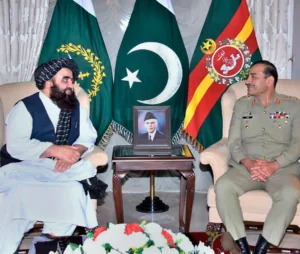
Reason 3 – Involvement in Internal Politics
The government also claims that Afghan refugees are taking part in political protests, which threatens national stability. Events like the PTI protests and gatherings by the Pashtun Tahafuz Movement (PTM) have allegedly seen participation from Afghan citizens.
Some officials say these protests have turned violent or spread anti-state messages, and Afghan participants are adding fuel to the fire.
The Political Narrative
Critics argue this is just another excuse. Political analyst Dr. Irfan Ashraf says many Afghan youth were born in Pakistan and naturally engage in local issues. Labeling them as troublemakers is unfair and creates fear among the refugee community.

Reason 4 – Drop in International Aid
Hosting refugees costs a lot of money. In recent years, international aid to Pakistan for Afghan refugees has dropped sharply.
In 2022 and 2023, UNHCR funding fell by over 50%. Zakat and donations from Arab countries have also slowed. Without this support, maintaining refugee camps and services has become difficult for Pakistan.
The Money Trail
Some analysts suggest that the refugee presence previously benefited certain officials and agencies through aid programs. Now that the money is gone, so is the motivation to host the refugees.
Impact on Afghan Refugees
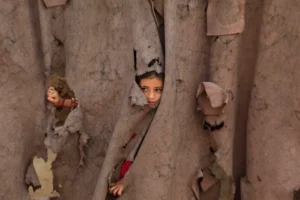
Many Afghan refugees now face a hard life. Some were born in Pakistan and have never even seen Afghanistan. They are being sent to a country they don’t know, with no jobs, homes, or support.
Stories of families being split up, children missing education, and people being detained are becoming common.
Reaction from the Afghan Government
The Taliban-led government in Kabul has criticized Pakistan’s move. They’ve asked for a halt to forced deportations and claim many of these refugees are innocent.
Still, they’ve started building facilities to receive returning refugees, although resources are limited.
Public Opinion in Pakistan
People in Pakistan are divided. Some support the deportations, especially in cities where refugees are seen as economic competitors. Others feel it’s unfair and cruel, especially for those who have lived here for decades.
International Response On Afghan Refugees
The United Nations and many human rights groups have expressed concern. They warn that the deportations could lead to a humanitarian crisis and that refugees must be treated with dignity.
Are These Reasons Valid or Just Excuses?
It’s true that Pakistan faces real security and economic challenges. But critics argue that blaming refugees is an easy way to avoid addressing deeper problems, like poor border control and flawed policies.
The timing, political benefits, and sudden urgency of the deportation wave raise questions about whether these are genuine reasons or just convenient excuses.
The Way Forward
A more balanced solution is needed. Open dialogue with the Afghan government, better refugee documentation, and international support could reduce the pressure. Refugees deserve respect, and both countries must work together to ensure their safety and dignity.
Conclusion
Pakistan is deporting Afghan refugees for four main reasons:
- Security threats
- Tensions with the Taliban
- Refugees’ alleged role in internal politics
- Drop in international aid
While some of these concerns may be valid, the human cost is high. Long-term solutions must focus on cooperation, not blame. Refugees are not just numbers—they are people with dreams, fears, and families.
FAQs
1. Why is Pakistan deporting Afghan refugees now?
Because of increased security concerns, lack of cooperation from the Afghan Taliban, political unrest, and reduced international aid.
2. Are legal refugees also being deported?
Yes. In the second phase, even Afghan Citizen Card and PoR Card holders are being deported.
3. What does the Taliban say about the deportations?
The Taliban government has criticized the move and asked Pakistan to stop forced returns.
4. Is international aid for Afghan refugees decreasing?
Yes, aid has dropped by over 50% in the last two years, which affects refugee support programs.
5. What can be done instead of deportation?
Improved documentation, international cooperation, and better integration policies could offer safer and more humane alternatives.