
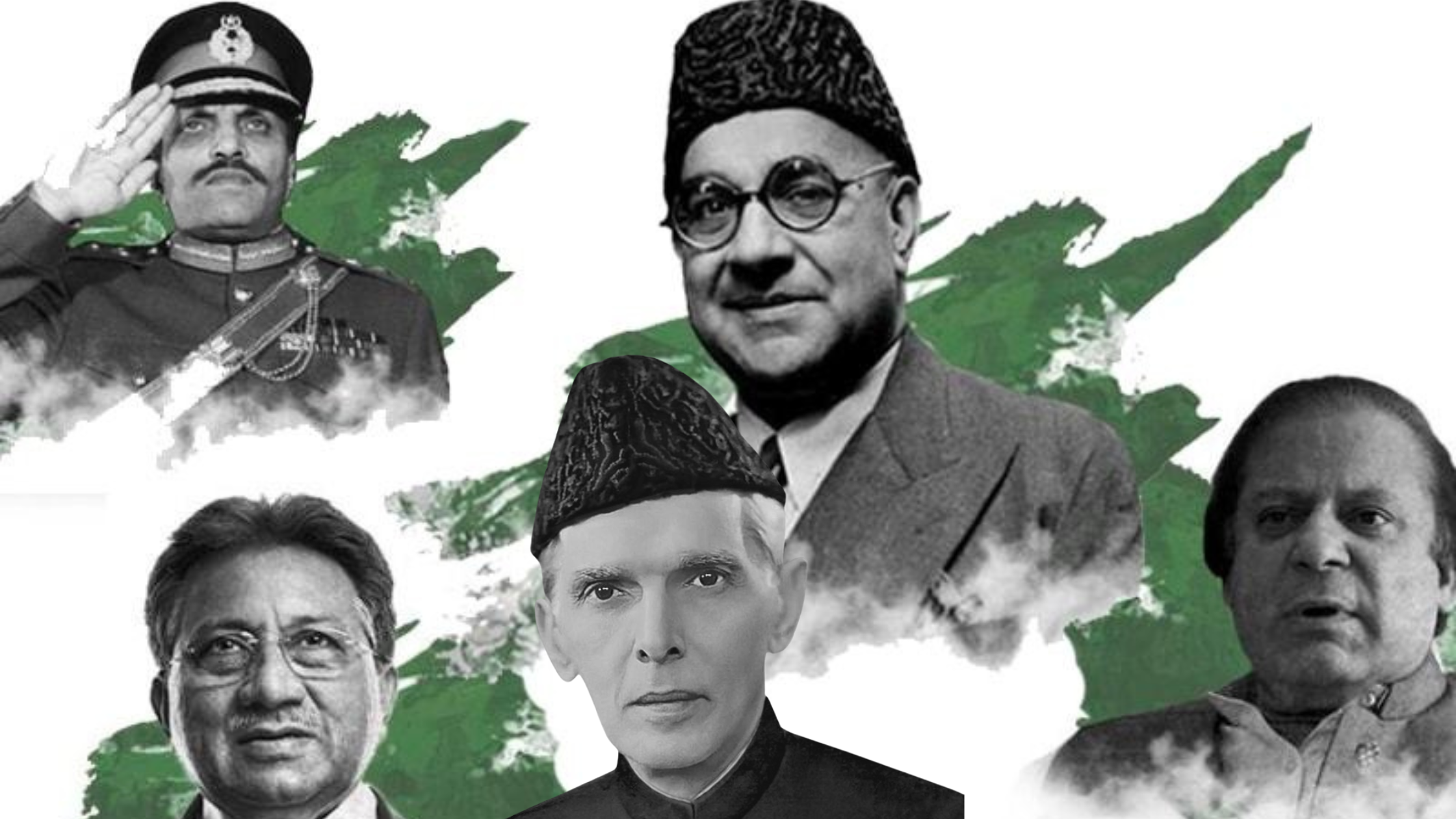
Pakistan’s political landscape has been shaped by visionary leaders, reformers, and powerful figures who played crucial roles in the nation’s development. From the struggle for independence to modern-day governance, these leaders have left an indelible mark.
Here are the top 15 most influential leaders in Pakistan’s history, their contributions, and why they remain significant.
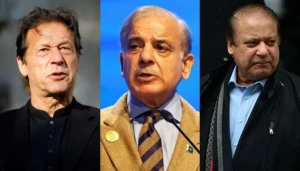
1. Muhammad Ali Jinnah: The Father of the Nation
Born: December 25, 1876 | Died: September 11, 1948
Role: Founder of Pakistan, First Governor-General
Muhammad Ali Jinnah First leaders in Pakistan , revered as Quaid-e-Azam, was the driving force behind Pakistan’s creation. A brilliant lawyer and charismatic leader, he led the All-India Muslim League and negotiated Pakistan’s independence from British rule in 1947.
Jinnah envisioned Pakistan as a democratic, progressive, and tolerant nation. His famous motto, “Unity, Faith, Discipline,” remains a guiding principle. Despite his short tenure as Governor-General, his leadership laid the foundation for the country.
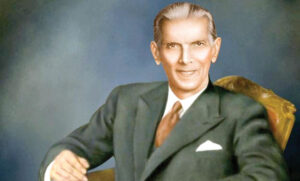
2. Liaquat Ali Khan: Pakistan’s First Prime Minister and Nation Builder
Born: October 1, 1895 | Died: October 16, 1951 (Assassinated)
Role: First Prime Minister (1947-1951)
Liaquat Ali Khan Most Influential Leaders in Pakistan’s History, a close ally of Jinnah, became Pakistan’s first Prime Minister. He faced immense challenges, including refugee crises, economic instability, and tensions with India.
His “Objectives Resolution” (1949) laid the groundwork for Pakistan’s constitution. He also strengthened ties with the US and Muslim world. His assassination in 1951 remains one of Pakistan’s biggest unsolved mysteries.

3. Zulfikar Ali Bhutto: The Populist Revolutionary
Born: January 5, 1928 | Died: April 4, 1979 (Executed)
Role: Prime Minister (1973-1977), Founder of PPP
Zulfikar Ali Bhutto was a charismatic socialist leaders in Pakistan who founded the Pakistan Peoples Party (PPP) in 1967. As Prime Minister, he introduced major reforms, including land redistribution, labor rights, and nationalization of industries.
He also initiated Pakistan’s nuclear program in response to India’s 1974 nuclear test. However, his rule ended with a military coup in 1977, and he was later executed in 1979 under controversial circumstances.
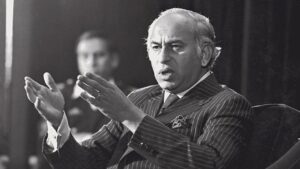
4. Benazir Bhutto: The First Female Prime Minister
Born: June 21, 1953 | Died: December 27, 2007 (Assassinated)
Role: Prime Minister (1988-1990, 1993-1996)
Benazir Bhutto, daughter of Zulfikar Bhutto, made history as the first woman to lead a Muslim-majority nation. She championed democracy, women’s rights, and education but faced allegations of corruption.
Her assassination in 2007 shocked the world, turning her into a martyr for democracy. She remains a symbol of resistance and empowerment in Pakistan.
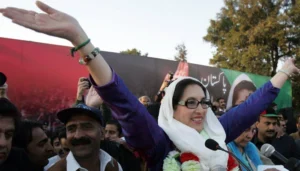
5. Nawaz Sharif: The Industrialist Turned Politician
Born: December 25, 1949
Role: Prime Minister (1990-1993, 1997-1999, 2013-2017)
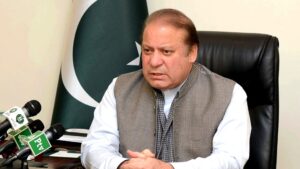
Nawaz Sharif, leader of the Pakistan Muslim League-Nawaz (PML-N), is known for his pro-business policies. His governments focused on infrastructure, motorways, and energy projects.
Meet the Top 10 Richest People in Pakistan
However, his tenure was marred by military coups, corruption cases, and exile. Despite controversies, he remains a dominant figure in Pakistani politics.
6. Imran Khan: From Cricket Legend to Political Leader
Born: October 5, 1952
Role: Prime Minister (2018-2022), Founder of PTI
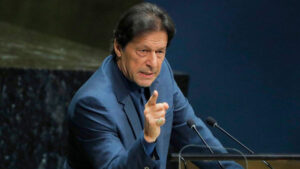
Imran Khan, Pakistan’s 1992 World Cup-winning cricket captain, entered politics in 1996. His party, Pakistan Tehreek-e-Insaf (PTI), rose to power in 2018 on an anti-corruption platform.
Nobel Institute Dismisses Claims of Imran Khan’s Nobel Prize Nomination
His government introduced health reforms (Sehat Card) and poverty alleviation programs (Ehsaas). However, economic struggles and political opposition led to his ouster in 2022.
7. Ayub Khan: The Soldier Who Ruled Pakistan
Born: May 14, 1907 | Died: April 19, 1974
Role: President (1958-1969)
General Ayub Khan staged Pakistan’s first military coup in 1958. His era saw economic growth, industrialization, and the 1965 war with India.
However, his authoritarian rule and rigged elections in 1965 led to public unrest, forcing him to resign in 1969.

8. Pervez Musharraf: The Modern Military Leader
Born: August 11, 1943 | Died: February 5, 2023
Role: President (2001-2008)
Musharraf seized power in a 1999 coup and ruled as a military dictator. His policies included economic liberalization, media freedom, and counter-terrorism efforts.
His alliance with the US after 9/11 was controversial. He resigned in 2008 and lived in exile until his death.

9. Sheikh Mujibur Rahman: The Father of Bangladesh
Born: March 17, 1920 | Died: August 15, 1975 (Assassinated)
Role: Leader of Bangladesh’s Independence
Sheikh Mujib led East Pakistan’s independence movement, resulting in Bangladesh’s creation in 1971. His leadership inspired millions, but his assassination in 1975 plunged Bangladesh into turmoil.

10. Asif Ali Zardari: The Controversial President
Born: July 26, 1955
Role: President (2008-2013)
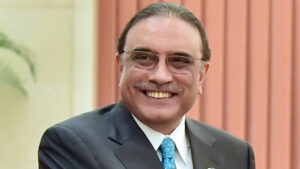
Zardari, Benazir Bhutto’s widower, became President after her assassination. Despite corruption allegations, he strengthened democracy and introduced key reforms.
11. Shehbaz Sharif: The Administrator
Born: September 23, 1951
Role: Prime Minister (2022-Present)
Shehbaz Sharif, Nawaz Sharif’s brother, is known for development projects in Punjab. His leadership focuses on economic recovery and infrastructure.

12. Bilawal Bhutto Zardari: The Young Reformer
Born: September 21, 1988
Role: Foreign Minister (2022-Present)
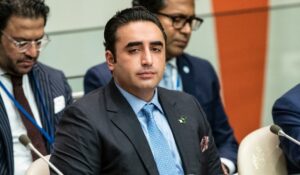
Bilawal, Benazir Bhutto’s son, represents the PPP’s new generation. He advocates for human rights and progressive policies.
13. Maryam Nawaz: The Rising Political Star
Born: October 28, 1973
Role: Chief Organizer of PML-N
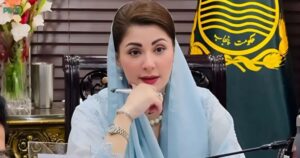
Maryam Nawaz, Nawaz Sharif’s daughter, is a key opposition leader with a strong social media presence.
Maryam Nawaz Unveils CM Education Card as Part of Sweeping Reforms in Punjab
14. Abdul Wali Khan: The Pashtun Nationalist
Born: January 11, 1917 | Died: January 26, 2006
Role: Leader of the Awami National Party (ANP)
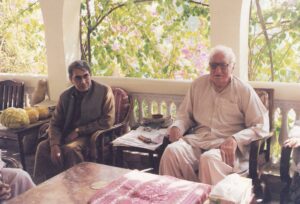
Wali Khan fought for Pashtun rights and democracy, opposing military rule.
15. Fazl-ur-Rehman: The Religious Leader
Born: 1953
Role: Leader of Jamiat Ulema-e-Islam (JUI-F)
Maulana Fazl-ur-Rehman is a prominent religious-political leaders in Pakistan, influencing conservative politics.

Conclusion
These 15 leaders in Pakistan’s destiny through revolution, reform, and resilience. From Jinnah’s vision to Imran Khan’s modern politics, their legacies continue to influence the nation.
Who do you think is the greatest leader in Pakistan’s history? Share your thoughts below!