
Maintaining law and order in a large and sensitive city like Lahore is nothing short of a challenge. Constantly evolving situations, changing crime tactics, and increasing public expectations have multiplied the responsibilities of the police force. In such circumstances, if crime rates decline in a division, the public begins to feel safer, and the police behavior improves, it is certainly a commendable development. Such results are only possible when leadership is sincere, has foresight, and maintains discipline at the grassroots level.
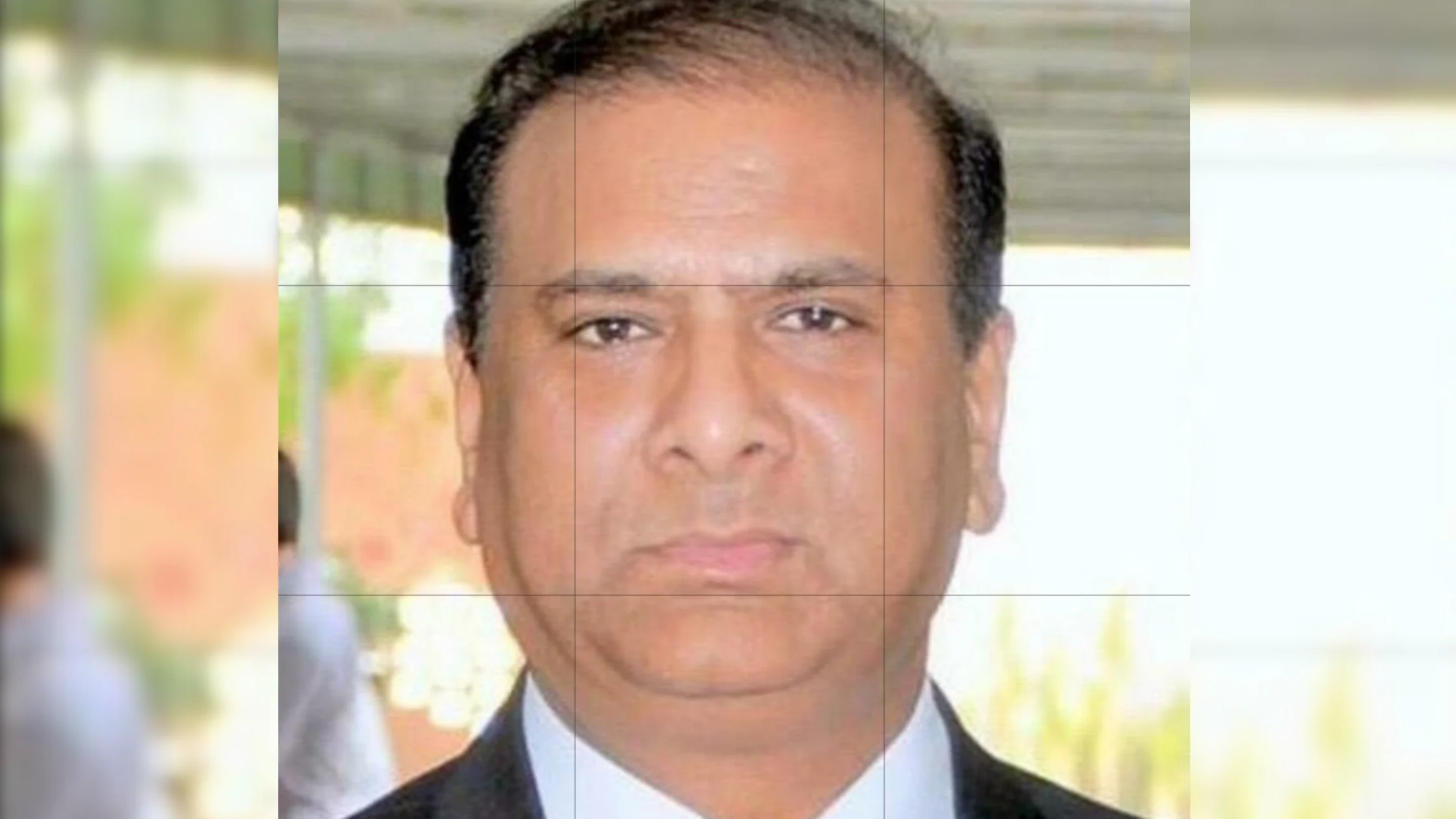
The recent changes observed in the Allama Iqbal Town Division are not mere coincidence but the outcome of an aware, well-trained, and active SP’s leadership. Dr. Muhammad Umar, who is currently serving as the SP of this division, has proven through his conduct, decisions, and practical actions that if intentions are pure, the vision is clear, and efforts are sincere, success will find its way. Officers like him bring about positive change in society.
Ensuring law and order during Muharram is a major test every year. Managing processions, religious gatherings, public events, sensitive locations, and sectarian tensions is not just about issuing orders—it requires ground-level strategy and presence. This year, the organized manner in which Muharram processions and gatherings were peacefully conducted in Allama Iqbal Town reflects the result of day-and-night effort, dozens of meetings, and timely decisions. Security plans were in place for every procession, CCTV cameras were active, and police officers were present at the scene. Such proactive steps help prevent major incidents.
One key factor this time was the direct engagement with religious groups, schools of thought, and organizers of Imambargahs. Complaints were heard, concerns addressed, and decisions made considering their feedback. Such consultative approaches foster harmony and restore public trust in state institutions.
Punjab University had long been plagued with tensions, student group clashes, infiltration by drug dealers, and an unsafe environment for common students. This time, the police did not resort to symbolic patrols or superficial actions. Instead, a comprehensive strategy targeted the roots of the problem. Meetings were held with the university administration, students were met directly, and based on confidential information, drug dealers were apprehended. Such steps make educational institutions safe again.
It is unfortunate that some groups exploit academic institutions for their interests. Strict action was taken against such elements. Individuals involved in weapons-related incidents within the university were booked under FIRs, and legal proceedings were initiated. This response sends a clear message that no one is above the law.
For years, gambling dens had spread like cancer throughout the Allama Iqbal Town Division. These networks were often hidden in seemingly innocent shops, hotels, or homes. Recent crackdowns have uprooted these networks entirely. Several individuals were arrested who previously enjoyed impunity. Such bold measures are essential to eliminate criminal elements.
The police’s consistent efforts against gambling are commendable. Not only were large centers raided, but even small neighborhood groups were targeted. Moreover, some internal facilitators within police stations were identified and faced departmental action. Internal accountability like this strengthens institutions.
Eradicating the drug mafia is another major achievement of the police. The curse of drugs has severely impacted society, especially the youth. This time, the police adopted a strategy that not only caught large networks but also identified smaller but effective suppliers. Street vendors, rickshaw drivers, and hotel waiters—people who seemed ordinary—were found involved in this trade. These undercover operations are necessary to cut crime at its root.
Daily operations are being carried out against drug dealers, and dozens of cases have been registered so far. The police also appealed for public cooperation, resulting in several tip-offs and community participation in cleansing their neighborhoods. Such community engagement significantly enhances police performance.
Patrolling is crucial for ensuring peace and security. In Allama Iqbal Town Division, police mobiles, motorbike squads, and foot patrols have been made active. Every important intersection, school, market, and mosque has a police presence. Such visible policing naturally deters criminals and miscreants.
Simultaneously, internal reforms have been initiated within police stations. A zero-tolerance policy has been implemented against misconduct, bribery, and delays in public service. The SP himself makes surprise visits, questions staff, and reviews performance in weekly meetings.
Maintaining ongoing contact with residents has become a new tradition. Police community meetings are held in various areas to hear grievances and resolve them immediately. Senior citizens, women, and shopkeepers have appreciated these changes. Such actions help bridge the gap between the police and the public.
While local leadership deserves credit for all this progress, it must also be acknowledged that without proper vision from senior officials, reforms cannot sustain. DIG Police Faisal Kamran’s wise placement of honest officers within Lahore Police is a testament to his experience and integrity. When such leaders guide the force, institutions naturally begin to function properly.
The peace, prosperity, justice, and security now visible in the division are not the result of a single day’s effort, but months of consistent hard work, teamwork, and effective planning. If such dedicated officers are present in every division, not only Lahore but the entire Punjab can become a safe and model province.
In conclusion, the policing model emerging from Allama Iqbal Town Division serves as an example for the entire province. Other districts should learn from such exemplary officers and adopt their performance as a case study. Honest, responsible, and people-friendly police officers are the true guardians of societal peace.
By:
Muhammad Nadeem Bhatti