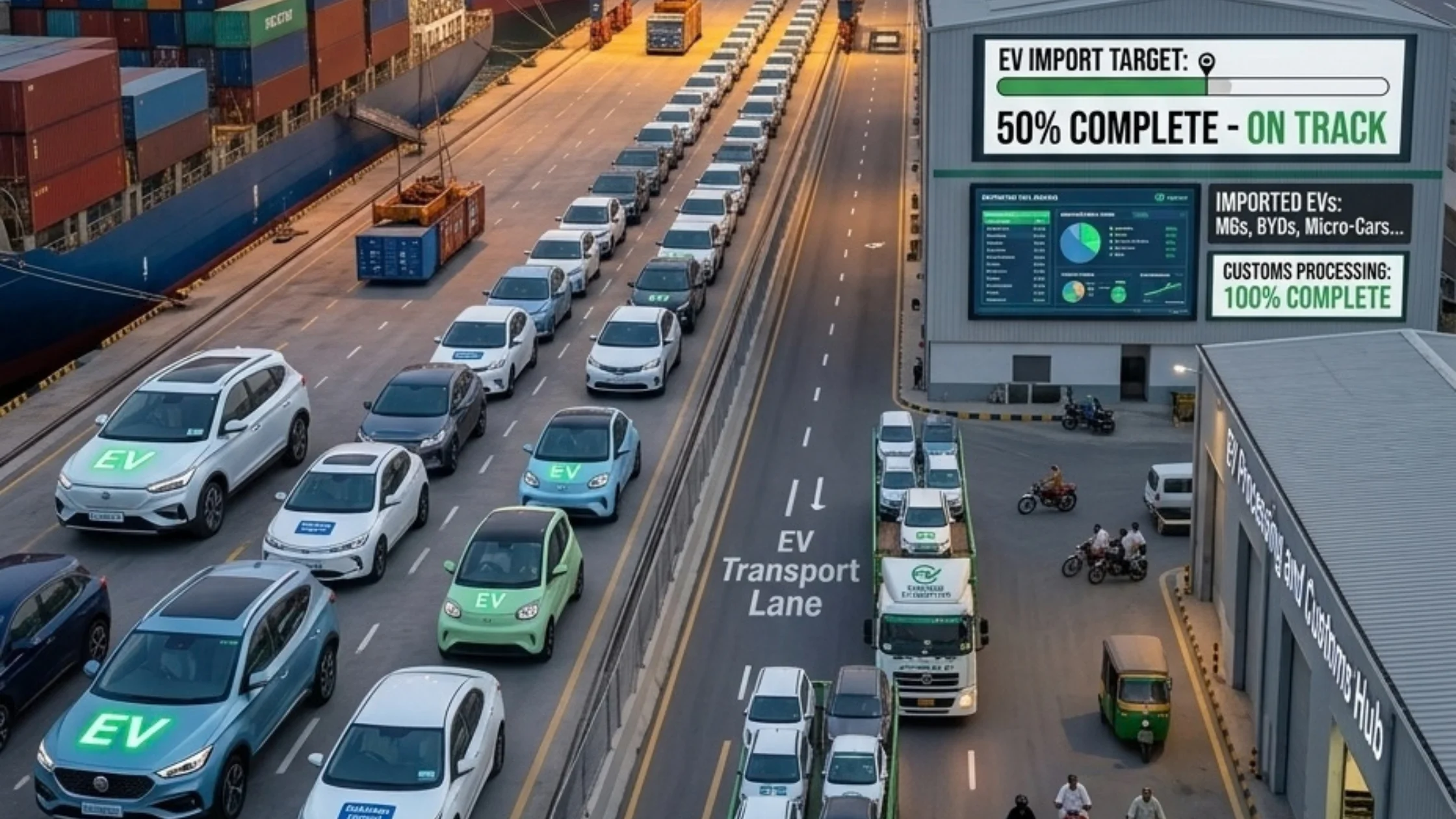
A new study suggests that adding 30,000 range-extended electric vehicles (REEVs) to Pakistan’s roads every year could help save more than $1 billion in fuel import costs over five years.
The plan would create a fleet of around 150,000 vehicles and could replace an estimated 1.2 billion litres of petrol during that period. It could also reduce carbon emissions by around 2.7 million tons, highlighting the potential economic and environmental benefits of switching to cleaner transport.
Range-extended electric vehicles offer a combination of electric driving and additional range support, making them more practical for markets where charging infrastructure is still developing. REEVs can reportedly travel around 150 to 180 kilometres on battery power, depending on the model and driving conditions.
For Pakistani consumers, charging costs could become even lower when electric vehicles are paired with rooftop solar systems. Some users could save as much as Rs. 65,000 per month, although actual savings would depend on daily mileage, electricity costs, solar capacity, and charging habits.
The growing availability of smaller electric cars could also make the transition more accessible. Models such as the Chery Q are available in Pakistan in the roughly Rs. 4 million to Rs. 5.5 million price range, depending on the variant and market pricing.
If adopted on a larger scale, electric and range-extended vehicles could reduce Pakistan’s dependence on imported fuel, lower transport emissions, and help ease pressure on the country’s oil import bill.
#ElectricVehicles #Pakistan #EVs #CleanTransport