
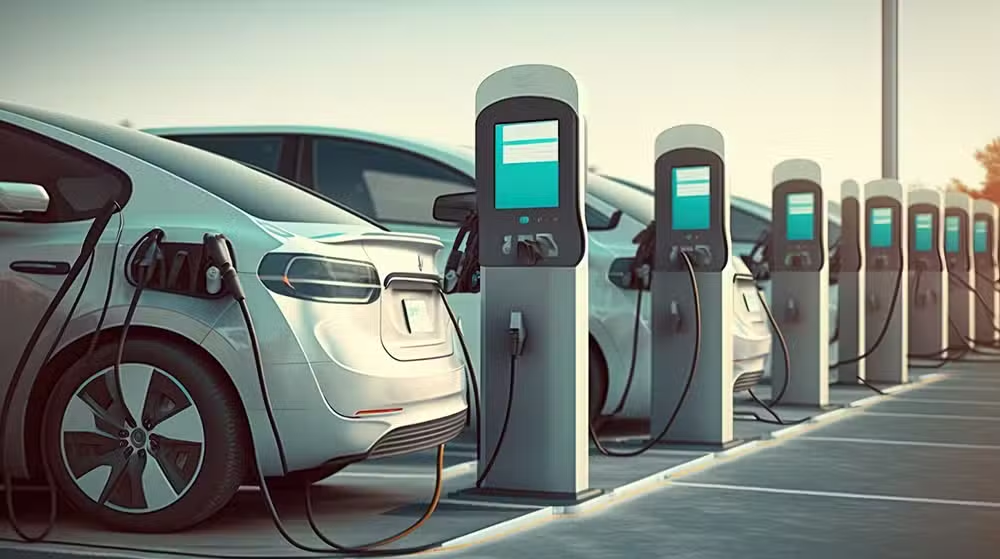
The Government of Pakistan has taken a monumental step toward environmental sustainability by establishing a high-level steering committee to promote the local manufacturing and adoption of Electric Vehicles (EVs). This strategic move aligns with Pakistan’s vision of reducing carbon emissions and transitioning to cleaner, energy-efficient transport solutions.
The Push for Local EV Manufacturing
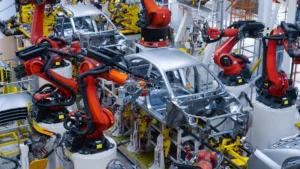
The rise of Electric Vehicles in Pakistan is a timely and necessary intervention in the country’s growing demand for sustainable transport. As air pollution and reliance on fossil fuels become pressing issues, local EV manufacturing promises to reduce Pakistan’s carbon footprint and improve urban air quality. Additionally, producing EVs locally can stimulate the economy by creating jobs in the automotive sector and decreasing dependence on imported vehicles.
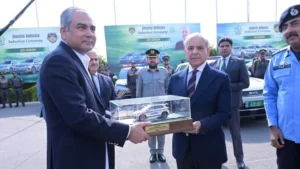
The steering committee for EV manufacturing, formed by the Prime Minister, consists of key governmental figures. They include the Federal Minister for Industries and Production, Federal Minister for Finance and Revenue, and Federal Minister for Petroleum, among others. The committee’s aim is to streamline efforts to create a comprehensive EV policy and ensure smooth adoption across Pakistan.

Terms of Reference: A Roadmap to EV Success
The committee’s Terms of Reference (TOR) focus on establishing guidelines for promoting New Energy Vehicles (NEVs), fostering an industry for local EV manufacturing, and addressing Pakistan’s unique automotive needs. The core objectives include:
- EV Policy Development: Crafting a detailed policy for the early adoption of EVs by studying international best practices and tailoring them to fit Pakistan’s specific requirements.
- Charging Infrastructure: Developing a national plan for installing EV charging stations. The committee aims to work with existing fuel stations and highways to facilitate both intercity and intracity travel using EVs. EV charging infrastructure is crucial to overcoming range anxiety, one of the biggest hurdles to EV adoption.
- Incentivizing Local Production: Recommending favorable tariff structures for EV charging stations and automotive manufacturers. This will involve introducing tax benefits for EV manufacturers in Pakistan and ensuring that locally produced EVs are economically viable.
- Public Awareness Campaigns: Promoting the environmental benefits of EVs through media campaigns. These efforts will highlight the long-term cost savings, reduction in fuel dependency, and the overall improvement of air quality in Pakistan.
Aligning EV Manufacturing with Climate Change Goals
As a signatory of international climate agreements, Pakistan is committed to reducing its carbon emissions, and the promotion of electric vehicles in Pakistan is a step in this direction. The new committee will ensure that the EV transition aligns with national climate change goals, particularly in reducing greenhouse gas emissions. Green energy and EV adoption go hand-in-hand, as electric vehicles significantly reduce the pollution caused by conventional, gasoline-powered vehicles.
The Federal Government plans to lead by example, with the steering committee overseeing the replacement of government vehicles with EVs. This move will set the stage for broader public acceptance of EVs as a sustainable transport option.
Financial Incentives and Collaboration with Provinces
To encourage the growth of Pakistan’s EV industry, the government is also focusing on financial incentives. Grants will be provided through the federal budget to support demand for electric vehicles. In addition, collaboration with provincial governments and autonomous regions like Gilgit-Baltistan (GB) and Azad Jammu & Kashmir (AJK) will be vital to ensure uniform development across the country.
The Ministry of Industries and Production will regularly update the Prime Minister and provide the necessary administrative support to ensure that the transition to electric vehicles in Pakistan remains a top priority.
Conclusion: The Future of Transportation in Pakistan
With the establishment of this committee, Pakistan is poised to become a leader in EV adoption within South Asia. The local manufacturing of EVs will not only create new opportunities for economic growth but also position Pakistan as a regional leader in green automotive technology. As the country ramps up efforts to build charging infrastructure, offer financial incentives, and promote public awareness, the vision of a cleaner, greener, and more sustainable transport system is becoming a reality.