
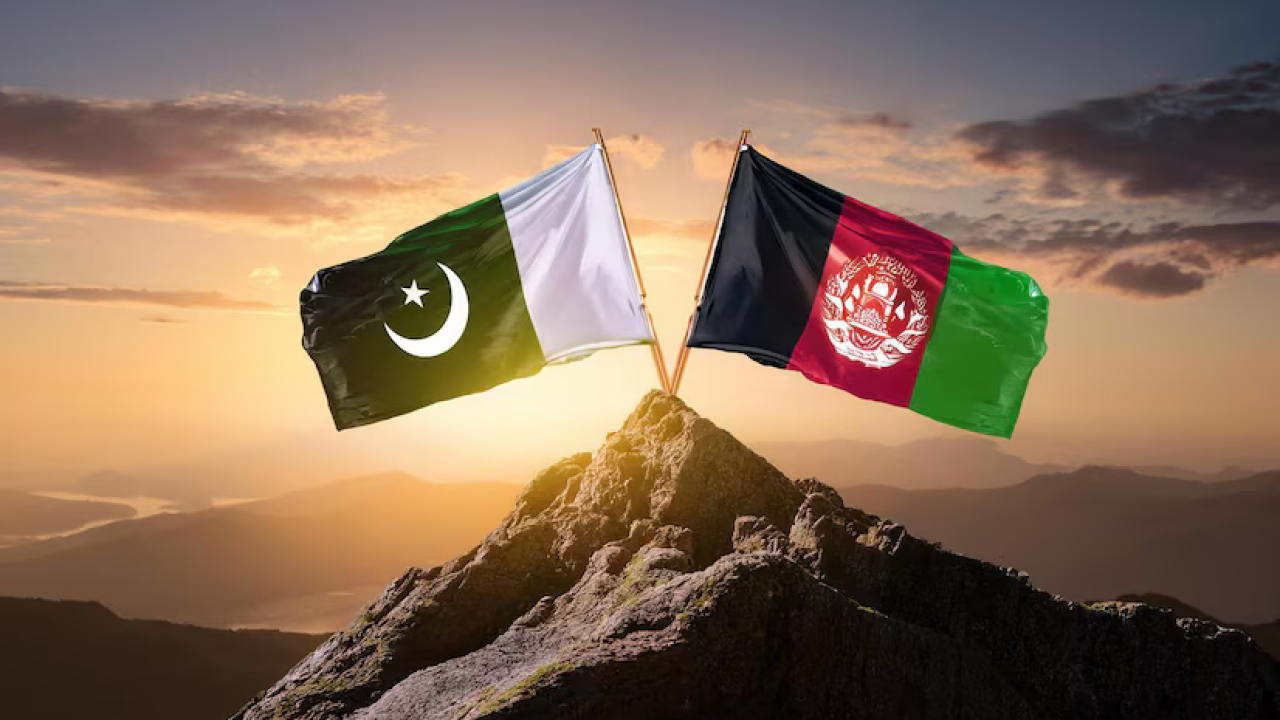
Pakistan and Afghanistan share more than just a 2,640-kilometer border. They are bound by history, ethnic ties, economic interdependence, and, unfortunately, decades of political turbulence. As of 2024, their relationship remains complex, marked by moments of uneasy cooperation, deep mistrust, and a constant recalibration of diplomatic strategies. With security concerns, economic strains, and evolving regional dynamics, Pakistan-Afghanistan relations continue to be a hotbed of geopolitical tension.

A History of Brotherhood and Betrayal
Pakistan and Afghanistan’s relationship has been a mix of cooperation and conflict. Since Pakistan’s independence in 1947, Afghanistan was the only country to vote against its admission into the United Nations, owing to border disputes over the Durand Line. However, the two nations found common ground during the Soviet invasion of Afghanistan in the 1980s, when Pakistan became the staging ground for the U.S.-backed Afghan resistance.
Fast forward to the post-9/11 era, Pakistan became a key ally in the U.S. War on Terror, while Afghanistan, under successive governments, often blamed Pakistan for harboring elements of the Taliban. This blame game intensified when the Taliban took over Kabul in August 2021, creating a new chapter of instability in their bilateral ties.
Taliban 2.0 and Pakistan’s Disillusionment
Initially, Pakistan had hoped that the Taliban’s return to power in Afghanistan would bring strategic advantages—secure borders, reduced Indian influence, and better economic cooperation. However, those hopes have been met with harsh realities. The Tehreek-e-Taliban Pakistan (TTP), an outlawed militant group responsible for deadly attacks inside Pakistan, has found safe havens in Afghanistan. Despite Pakistan’s repeated requests, the Afghan Taliban have failed to rein in TTP activities, leading to increased cross-border tensions.
Pakistan’s patience began wearing thin in late 2023 and early 2024 as TTP-led attacks spiked, including high-profile assaults on security forces in Khyber Pakhtunkhwa and Balochistan. In response, Pakistan launched military operations and airstrikes on suspected TTP hideouts inside Afghanistan—a move that further strained ties with the Taliban regime.
Border Tensions and Trade Disruptions
One of the biggest flashpoints in recent months has been the closure of key border crossings like Torkham and Chaman, which serve as vital trade arteries between the two countries. The closures, often triggered by clashes between border forces, have had severe economic repercussions, especially for Afghan traders who rely on Pakistani ports for international exports.
In retaliation for Taliban’s inaction against the TTP, Pakistan also introduced stricter visa policies and deported thousands of undocumented Afghan refugees, further souring relations. The Taliban, in turn, accused Pakistan of human rights violations and double standards in its treatment of Afghan nationals.
Economic Ties: Struggling Against Political Tensions
Despite political hostilities, trade between Pakistan and Afghanistan remains significant. In 2023, bilateral trade was estimated at around $2 billion, but border closures, tariff issues, and diplomatic rifts have hampered economic growth. Pakistan remains a crucial supplier of food, medicine, and other essentials to Afghanistan, while Afghanistan provides coal and raw materials crucial for Pakistan’s energy sector.
However, Pakistan’s increasing reliance on Central Asian states for trade diversification and Afghanistan’s growing economic engagement with Iran and China suggest that both nations are looking for alternatives, making their economic interdependence less of a stabilizing factor than before.
Geopolitical Shifts: The India Factor
India has historically maintained close ties with successive Afghan governments, and while its relations with the Taliban have been minimal, recent reports suggest backdoor diplomacy between New Delhi and Kabul. This remains a concern for Pakistan, which fears Indian influence being used to destabilize its western border.
Additionally, Afghanistan’s warming ties with Iran and China present another diplomatic challenge for Pakistan. Iran has stepped up investments in Afghanistan, particularly in infrastructure projects, while China, through the Belt and Road Initiative (BRI), sees Afghanistan as a crucial link in its regional ambitions. Pakistan, once seen as Afghanistan’s primary regional partner, now faces growing competition in shaping Afghanistan’s future.
Security Challenges and the Way Forward
With terrorism surging on both sides of the border, Pakistan finds itself in a difficult position. The Taliban’s reluctance—or inability—to crack down on TTP militants has forced Pakistan to consider unilateral military action, but such moves come with the risk of further antagonizing Kabul.
Diplomatic engagements have taken place, with high-level delegations from both sides attempting to ease tensions, but without concrete actions against militant groups, peace remains elusive.
A Relationship on the Edge
Pakistan-Afghanistan relations in 2024 are at a crossroads. What was once seen as a natural alliance has turned into a complex web of distrust, economic pragmatism, and security dilemmas. Unless both nations take serious steps to address terrorism, border tensions, and trade disruptions, their relationship will remain one of uneasy coexistence rather than true partnership.
The question remains: Can Pakistan and Afghanistan move past their differences and build a future based on mutual respect and cooperation, or are they doomed to remain caught in an endless cycle of conflict and suspicion? The coming months will provide the answer.