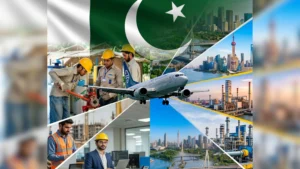

Pakistani Exports has achieved impressive growth in European markets, with recent data showing a significant 9.4 percent increase. This positive trend comes as the Special Investment Facilitation Council (SIFC) implements effective policies to support Pakistani businesses in reaching international markets. The rising demand for Pakistani products in Europe indicates growing confidence in the country’s manufacturing capabilities.
Strong Pakistani Exports Growth Across Europe
The numbers reveal particularly strong performance in key European regions. Western Europe saw Pakistani exports grow by 11.6 percent, while Northern European markets recorded an even more impressive 17.7 percent increase. Countries like Italy, Greece and Spain are showing steadily increasing demand for Pakistani goods.
This export surge represents an important achievement for Pakistan’s economy, especially considering the strict quality standards required by European buyers. The growth demonstrates that Pakistani manufacturers are successfully meeting international expectations.
Key Factors Driving Pakistani Exports Success
Several important factors contribute to this export growth. First, Pakistan benefits from the Generalized Scheme of Preferences Plus (GSP+) status with the European Union. This trade agreement provides duty-free access for many Pakistani products until at least 2027, making them more competitive in European markets.
Second, Pakistani manufacturers have made significant improvements in product quality to meet European standards. This includes better production processes, quality control measures and compliance with international regulations.
Third, the SIFC has played a crucial role by streamlining export procedures, helping businesses obtain necessary certifications, and actively promoting Pakistani products abroad. These combined efforts have made Pakistani goods more attractive to European buyers.
Top Pakistani Exports Products in European Markets
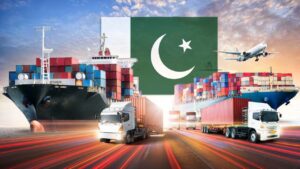
Several categories of Pakistani products have shown particularly strong performance in Europe. The textile and garment sector remains Pakistan’s strongest export category, with European brands increasingly sourcing high-quality cotton products, denim and home textiles from Pakistan.
Pakistan’s sports goods industry continues to dominate globally, producing about 70 percent of the world’s hand-stitched footballs. European sports clubs and retailers regularly import footballs, boxing gloves and cricket equipment from Pakistan.
The leather industry represents another success story, with European customers appreciating the durability and craftsmanship of Pakistani leather shoes, bags and fashion accessories. Additionally, agricultural products like honey, basmati rice and spices are gaining popularity in European markets.
Economic Benefits for Pakistan
This growth in exports offers many benefits to Pakistan’s economy. The increased production creates more job opportunities in textile mills, leather factories and sports goods manufacturing facilities.
Higher export volumes contribute to Pakistan’s foreign exchange reserves and help stabilize the national currency. The success also enhances Pakistan’s international reputation as a reliable supplier of quality goods.
Pakistan Ranks 5 in Global Guava Cultivation: A Growing Agricultural Powerhouse
Challenges and Opportunities for Future Growth
Despite this progress, some challenges remain. Many Pakistani factories still operate with outdated machinery that limits production efficiency. Investments in modern equipment and automation could significantly boost output.
Marketing represents another area for improvement. Many European consumers remain unfamiliar with Pakistani brands. More effective digital marketing strategies and participation in international trade fairs could increase visibility.
Energy costs also present an obstacle, as high electricity and gas prices increase production expenses. Expanding renewable energy projects could help reduce these costs over time.
Future Outlook
Industry experts believe Pakistan’s exports could potentially double within five years if current positive trends continue. Key to this growth will be maintaining quality improvements, exploring new markets beyond Europe, and implementing smarter marketing approaches.
The combination of SIFC support, GSP+ benefits and manufacturer improvements has created strong momentum for Pakistani exports. With continued focus on innovation and quality, Pakistan can further strengthen its position in global markets.
Frequently Asked Questions
What are Pakistan’s main exports to Europe?
Textiles, sports goods, leather products and agricultural items represent Pakistan’s most successful exports to European markets.
How does GSP+ status help Pakistani exports?
The GSP+ agreement allows Pakistan to export many products to Europe without paying duties, making them more competitively priced until at least 2027.
What role does SIFC play in export growth?
The SIFC helps by simplifying trade policies, supporting businesses with certifications and promoting Pakistani products internationally.
What challenges does Pakistan face in exports?
Key challenges include high energy costs, outdated manufacturing equipment in some facilities, and limited brand recognition in certain markets.
This comprehensive analysis shows how strategic policies and quality improvements are driving Pakistan’s export success in European markets, with potential for even greater growth in coming years.