

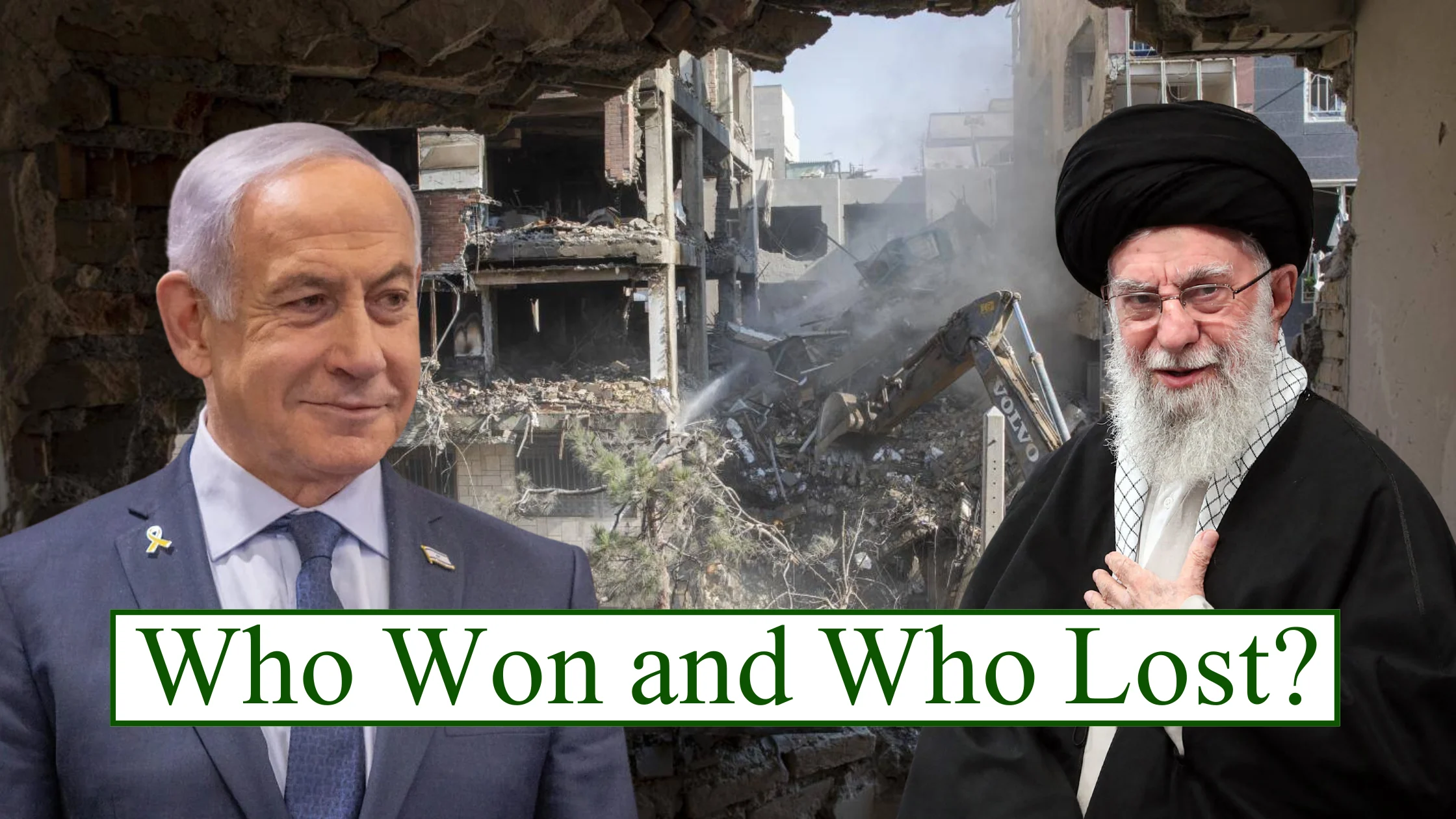
The Iran Israel War of June 2025 might have lasted only 12 days, but its impact will echo across the Middle East for decades. Sparked by rising tensions, nuclear threats, and long-standing hostilities, this war was as much about strategy and symbolism as it was about firepower. With Israel initiating the attack, many wonder who truly won? Was it worth the cost?
Origins of the Iran Israel War
To understand this war, we need to look at the deep-rooted animosity between Israel and Iran. Ever since the 1979 Iranian Revolution, the two countries have stood on opposite ends of nearly every major geopolitical issue in the region.
Iran views Israel as a Western outpost in the Muslim world. Israel sees Iran as an existential threat especially with Iran’s nuclear program accelerating. The tension has simmered for years through proxy wars, cyberattacks, and shadow assassinations, but in June 2025, it exploded into a full-scale conflict.
Timeline of the 12-Day War
June 13: The Opening Salvo
On June 13, Israel launched a massive preemptive airstrike targeting Iran’s nuclear facilities in Natanz and Fordow. The move came after alleged intelligence that Iran was nearing weapons-grade uranium production.
June 14–18: Missile Strikes and Counterstrikes
Iran responded with a barrage of ballistic and cruise missiles, some reaching Tel Aviv and Haifa. Israel’s Iron Dome intercepted most, but several hit civilian areas, sparking outrage.
June 19–21: Cyberwarfare and Air Defense Clashes
Both sides unleashed cyberattacks. Iranian hackers hit Israeli infrastructure, while Israeli cyber units disrupted Iran’s oil exports. Israeli jets faced intense anti-aircraft fire but managed to cripple several missile bases.
June 22–24: Ceasefire and Withdrawal
Global pressure, especially from the US and Russia, led to a fragile ceasefire. Both sides claimed partial victory, but neither achieved its full set of goals.
Stated Objectives of Israel
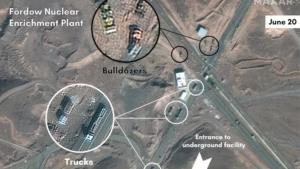
Ending Iran’s Nuclear Program – Partial Success
Israel managed to damage several nuclear sites, but Iran’s underground facilities survived. Experts say the program has been delayed—not dismantled.
Halting Iran’s Missile Development – Partially Achieved
Several missile plants were destroyed, but Iran’s stockpile remains. Israel’s targeted approach showed results, but the infrastructure is still operational.
Aiming for Regime Change – Failure
This was perhaps the most ambitious goal. However, Iranian unity during the war made internal uprising impossible. Instead of collapsing, the regime gained strength.
Military Performance & Capabilities
Israel: A Show of Force
Israel displayed overwhelming attack capabilities, using stealth jets, advanced drones, and precision-guided missiles. Its intelligence network proved formidable, accurately locating and striking targets deep inside Iran.
Iran: A Surprising Defense
Despite weaker air defenses, Iran demonstrated surprising resilience. Its missile response showed reach and coordination. But intelligence lapses and poor anti-air systems exposed vulnerabilities.
Economic Impact of the War

Israel’s Economic Hit
- Over $67.5 billion in total damages.
- More than 100,000 companies closed.
- Tourism collapsed, and the fiscal deficit hit 4.9%.
- Foreign investments evaporated overnight.
Iran’s Economic Collapse
Already reeling from sanctions, Iran saw its oil exports cut by over 50%. The South Pars gas field operations were disrupted. Currency value plunged, and foreign reserves dwindled. Inflation skyrocketed, deepening public suffering.
Political Fallout
In Israel: Netanyahu Under Fire
PM Netanyahu is facing mounting public backlash. Many blame him for civilian casualties and the war’s cost. Internationally, Israel has been criticized for disproportionate retaliation.
In Iran: Unity in Crisis
While discontent existed before the war, during the conflict, Iran’s public stood united. Supreme Leader Khamenei gained popularity. The Islamic world’s support helped bolster morale.
Global Reactions and Alliances
The UN condemned both sides but failed to mediate quickly. The USA backed Israel, though criticized the intensity. Russia and China called for restraint but subtly supported Iran to weaken American influence.
Role of Technology in the War
This was also a tech war. Israel used AI-enhanced surveillance, hypersonic drones, and deep-fake propaganda. Iran responded with cyberattacks, many targeting civilian infrastructure.
The Role of Proxy Forces
Iran activated its regional allies Hezbollah in Lebanon, Houthis in Yemen, and PMF in Iraq. Israel struck several of these groups in counter-attacks. The war wasn’t just state-to-state but spread across the region.
Humanitarian Crisis
Thousands were displaced in Iran and Israel. Over 4,200 civilians were injured, and 612 deaths were reported. Hospitals struggled, infrastructure crumbled, and refugee numbers soared.
US Attack on Iran Nuclear Facilities: Global Repercussions, Reactions, and Realities
Media & Propaganda Warfare
Both countries flooded the internet with propaganda. Israel highlighted its defensive actions, while Iran pushed the victim narrative. Hashtags trended globally, creating digital battlegrounds.
Future of Iran-Israel Relations
This war didn’t end hostilities it reset them. Experts predict:
- New proxy conflicts
- Heavier investments in missile defense and cyber
- Unlikely diplomatic breakthroughs
Lessons Learned by Both Sides
Israel
- Strengthened deterrence
- Needs better civilian protection
Iran
- Exposed defense weaknesses
- Will likely accelerate military modernization
Regional Balance of Power
This war has reshaped Middle East dynamics. Countries like Saudi Arabia, Turkey, and the UAE are reassessing their positions. US influence may wane while Russia and China gain footholds.
Conclusion
In a war with no clear winner, both Iran and Israel lost more than they gained. Lives, economies, and reputations took serious hits. The balance of power has shifted, but at what cost?
The Iran Israel War was more than just a 12-day conflict it was a warning shot for the world.
FAQs
1. What started the Iran-Israel War and why did it escalate so quickly?
The war began with an Israeli airstrike on Iran’s nuclear facilities. Rising tensions over uranium enrichment, regional rivalry, and years of proxy conflicts exploded into a full-scale war.
2. How did the Iran-Israel War affect the global economy?
The war triggered oil price surges, disrupted Middle East trade routes, and caused global stock market fluctuations. Sanctions and damages worsened Iran’s economy, while Israel’s markets experienced investor withdrawal.
3. Did Israel achieve its goals in the Iran Israel War?
Partially. It delayed Iran’s nuclear program and weakened missile bases but failed in pushing regime change. The war exposed gaps in both nations’ defenses.
4. What were the civilian consequences of the Iran Israel War?
Thousands of civilians were displaced, hundreds killed or injured, and infrastructure in both countries suffered. Humanitarian aid was needed, and rebuilding will take years.
5. What is the future outlook after the Iran Israel War?
Both countries are expected to rebuild their militaries, avoid full-scale war temporarily, and focus on proxy engagements. The region remains volatile, and peace looks distant.