
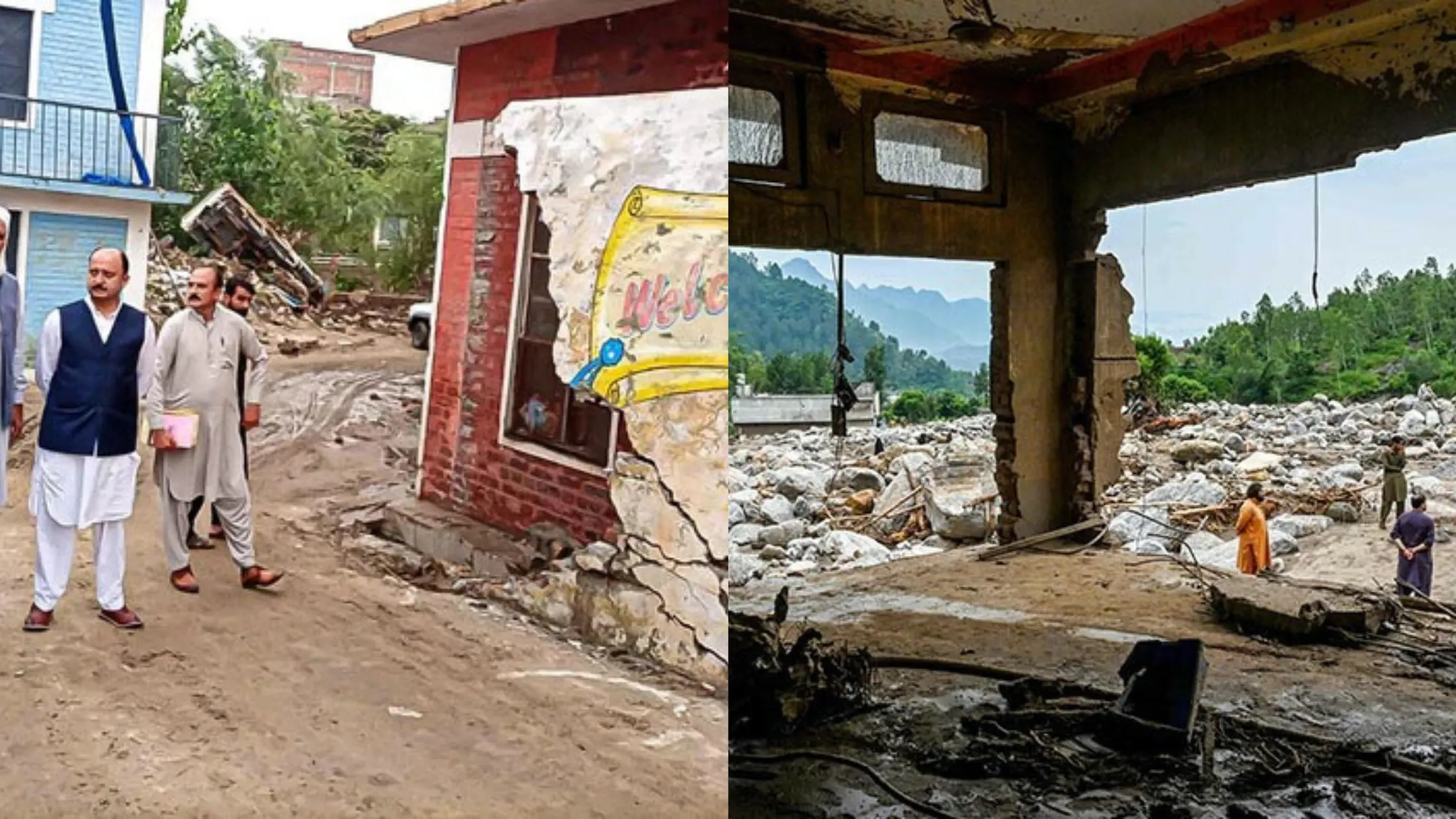
Recent flood and heavy rains have caused serious damage to the education sector in Khyber Pakhtunkhwa (KP). Reports confirm that 61 government schools have been completely destroyed, while 414 schools were partially damaged across different districts.
The most affected areas include Dir Lower, Shangla, Haripur, Swat, and Mohmand, where students now face major disruptions in their studies. Sadly, the disaster also claimed lives: four teachers, one staff member, and four students died, and three teachers were injured during the floods.
Pakistan Launches PM Laptop Loan Scheme 2025 for Students: Here’s the Details
To avoid long breaks in education, the provincial government has announced plans to set up pre-fabricated schools. These temporary structures will help children continue their studies until permanent buildings are rebuilt.
Officials admitted that government schools in KP were already under pressure from earthquakes, terrorism, and earlier floods. Many buildings remain weak and cannot handle extreme weather events. This tragedy shows the urgent need for stronger, safer, and disaster-proof schools.
Experts say that if reconstruction is delayed, thousands of children could lose access to education for months. They stress that rebuilding should focus on long-term solutions, not just quick fixes. The education department has promised to start repair and construction work soon, while also seeking community and donor support.
This crisis is a reminder that investing in resilient school infrastructure is essential to protect education in disaster-prone regions like KP.
FAQs
1. How many schools were affected by the floods in KP?
A total of 475 schools – 61 destroyed and 414 partially damaged.
2. Which districts suffered the most damage?
The worst-hit districts include Dir Lower, Shangla, Haripur, Swat, and Mohmand.
3. Were there any casualties?
Yes, four teachers, one staff member, and four students lost their lives. Three teachers were also injured.
4. What is being done to continue education?
The government plans to install pre-fabricated schools to quickly resume classes in affected areas.
5. Why are schools in KP so vulnerable?
Years of damage from earthquakes, terrorism, and previous floods have weakened the infrastructure, making schools less safe during disasters.