
The Asian Development Bank (ADB) is set to rejoin Pakistan’s ambitious ML-1 railway project, a key step toward modernizing the country’s largest rail corridor from Karachi to Peshawar. This project is one of the most significant infrastructure upgrades in Pakistan’s transport sector and is expected to bring wide-ranging benefits for the economy and people.
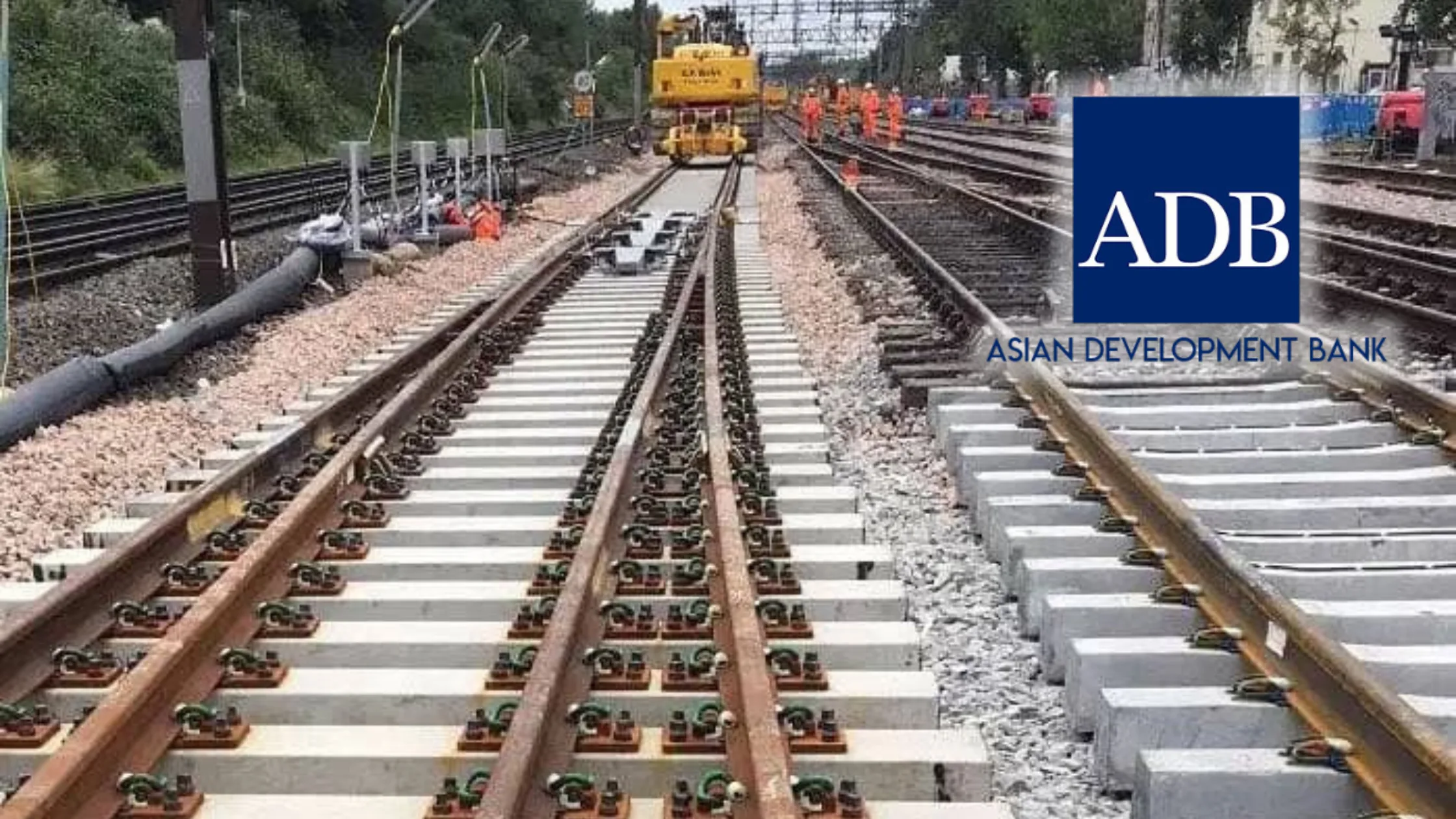
Under the new plan, the ML-1 project will be carried out in phases. The construction will include track upgrades, modern signaling systems, and improved railway stations, making the railway network safer and more efficient. Once completed, the upgraded line will be able to handle higher passenger and freight capacity, reducing travel time and lowering transport costs across the country.
Pakistani Exports Boom: How SIFC is Helping Businesses Grow in Europe
Officials believe that the project will also have a positive impact on regional trade, as Pakistan’s railway connects important routes linking South Asia with Central Asia and China. A modern and reliable rail system is expected to support both domestic commerce and cross-border logistics.
By rejoining the project, the ADB has shown confidence in Pakistan’s vision for a modern rail network. The financial support will ensure smoother implementation, while also encouraging international partners to invest in long-term transport solutions.
Beyond infrastructure, the ML-1 Railway Project is expected to create thousands of jobs during construction and provide new opportunities once operations expand. Improved connectivity between major cities like Karachi, Lahore, and Peshawar will support businesses, tourism, and everyday commuters.
Experts highlight that sustainable rail operations will not only boost the economy but also help reduce traffic congestion and environmental pollution, making it a green and future-ready transport option for Pakistan.
The revival of ADB’s role marks a new chapter for ML-1, giving fresh momentum to a project that could transform the way Pakistan moves people and goods across the country.