
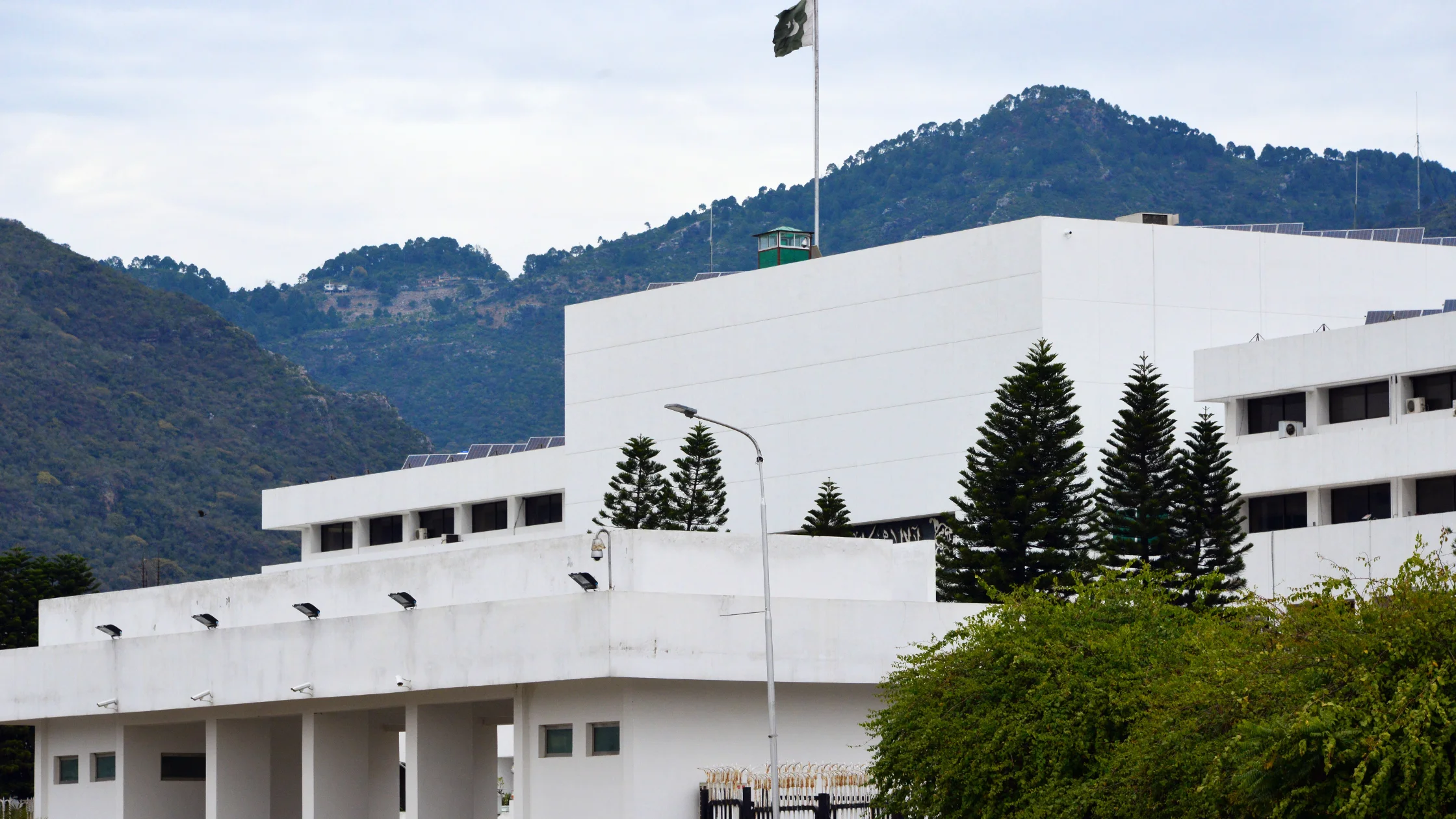
Pakistan’s National Assembly has taken a major step toward strengthening family protection laws by approving the Domestic Violence Bill 2025. The new legislation introduces strong safeguards for a wide range of individuals living in the same household, including wives, children, elderly family members, adopted relatives, and transgender persons. This marks one of the most comprehensive domestic violence laws ever proposed in the country.
A significant part of the bill is its recognition of non-physical violence. For the first time, the law clearly defines and criminalizes actions such as verbal abuse, emotional manipulation, humiliation, intimidation, and psychological distress. These forms of harm, which often go unnoticed or unreported, will now be treated as punishable offenses. Under the new rules, anyone found guilty of domestic violence may face up to three years in prison, a fine of up to 100,000 PKR, or both.
In addition to emotional and verbal harm, the bill covers several other forms of domestic abuse. It criminalizes stalking, harassment, forced or unlawful confinement, especially of elderly or disabled persons, and threats of physical harm. It also targets sexual exploitation, financial exploitation, and withholding basic needs, making it clear that abuse is not limited to physical assault. The law aims to ensure that vulnerable individuals in a household cannot be controlled, manipulated, or isolated against their will.
The bill was presented by PPP MNA Sharmila Faruqi, who has been an active advocate for women’s and human rights. While introducing the legislation, she highlighted the urgent need for a legal framework that protects all family members, especially those who are often afraid to speak out. Faruqi stated that domestic violence is a deeply rooted issue in Pakistan and that strong laws are necessary to bring meaningful change.
With the National Assembly’s approval, the bill will now be sent to the Senate for further debate and final approval. If passed, it will become a nationwide law, offering a clear process for reporting abuse, seeking protection orders, and ensuring punishment for offenders.
The Domestic Violence Bill 2025 represents an important moment in Pakistan’s legal and social landscape. It shows a growing understanding that abuse is not only physical—it can be emotional, psychological, or financial. By acknowledging this, the country moves closer to creating safer homes and stronger families for all its citizens.