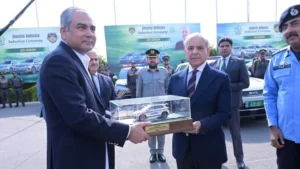

Pakistan is preparing a new five-year auto policy aimed at reshaping the country’s automobile sector with a focus on affordability, safety, and improved regulation. The draft, developed by the Ministry of Industries and Production, proposes a gradual reduction in duties on imported vehicles while strengthening the overall automotive framework.
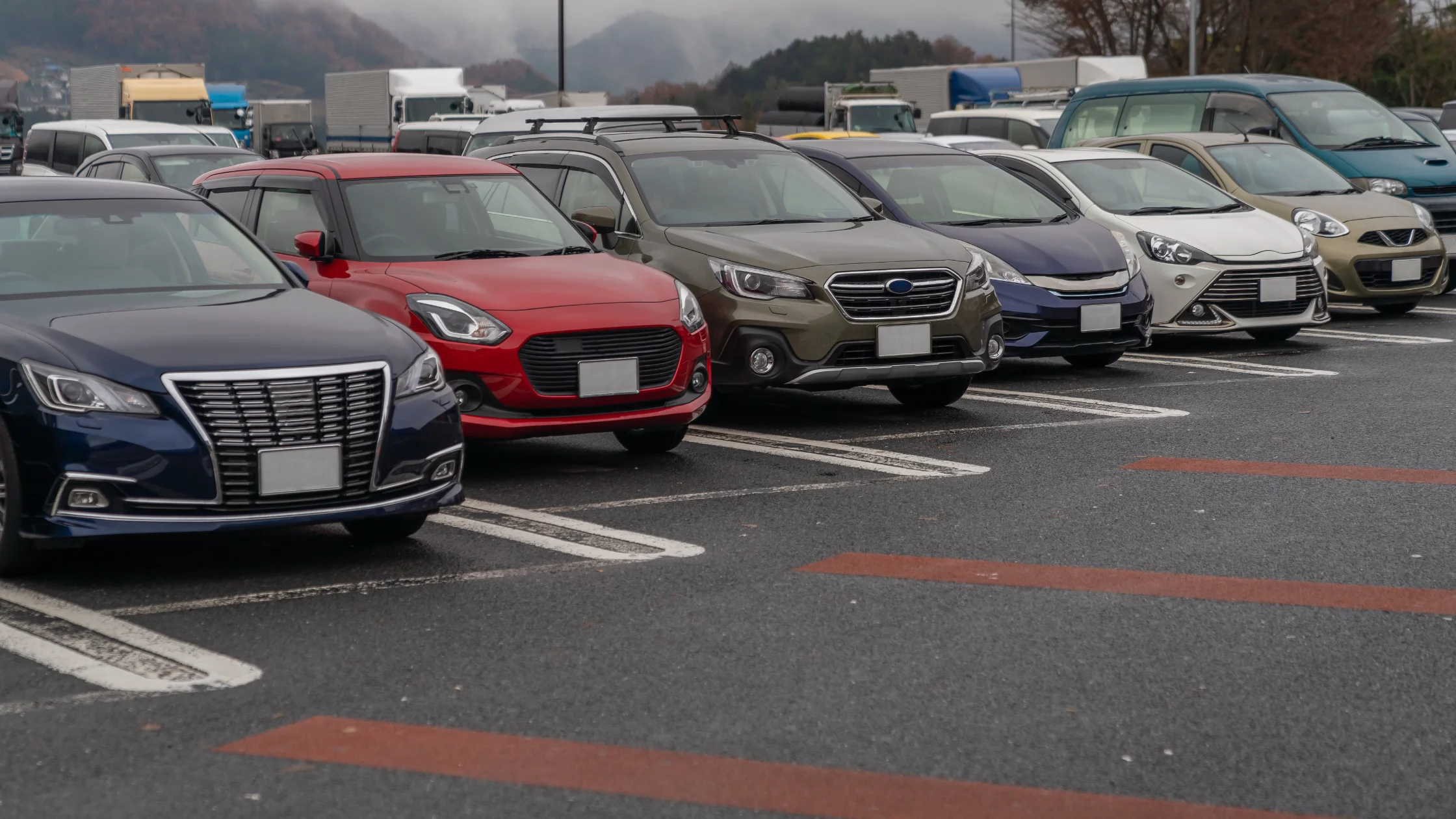
According to sources, the policy suggests reducing customs duties to 15% over the next five years, making imported vehicles more accessible to consumers. This step could significantly impact car prices, offering buyers more choices and potentially increasing competition in the market. For many middle-class families, owning a car may become easier if these changes are implemented effectively.
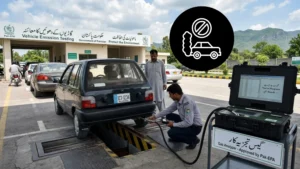
Another important aspect of the policy is the enhancement of vehicle safety standards. Authorities aim to ensure that both locally manufactured and imported vehicles meet modern safety requirements. This includes better crash standards, improved inspection systems, and stricter compliance rules for manufacturers. The move reflects a growing awareness about road safety and the need to protect passengers.
The policy also focuses on improving the licensing and regulatory system. By simplifying procedures and strengthening oversight, the government plans to create a more transparent and efficient environment for the auto industry. This could help reduce delays, eliminate loopholes, and encourage investment in the sector.
Before any official announcement, the draft policy will be shared with the International Monetary Fund for review. This step is crucial, as Pakistan’s economic policies often require alignment with IMF guidelines. Officials expect to submit the final draft by the end of the current month, after which it will be presented to the federal cabinet for approval.
Overall, this upcoming auto policy signals a shift toward a more competitive and consumer-friendly market while ensuring safety and regulatory improvements. If implemented successfully, it could transform Pakistan’s automotive landscape over the next five years.