
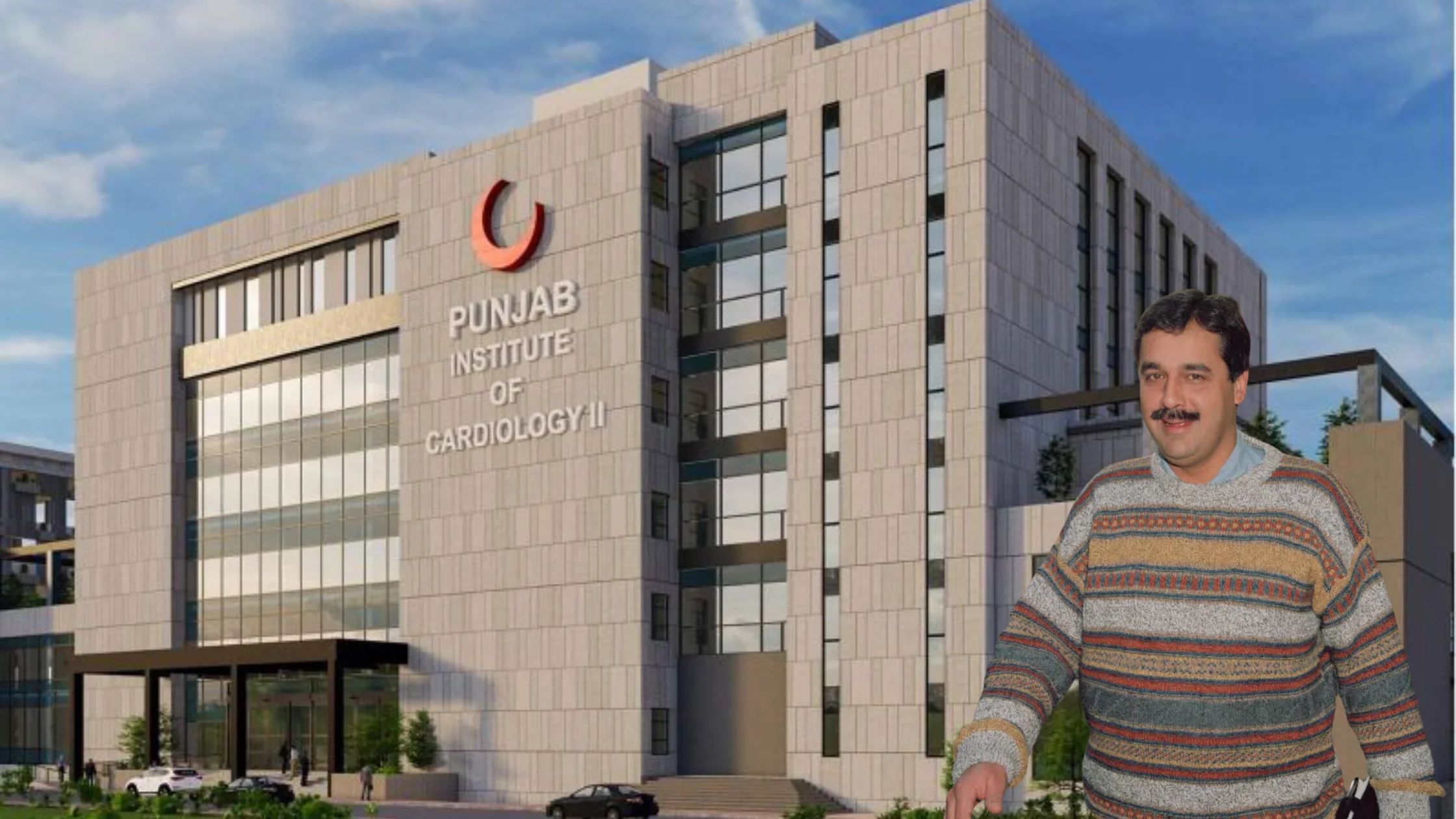
Renowned cardiologist Hasnat Khan has returned to Pakistan from the United Kingdom and has been appointed as the head of the upcoming Jinnah Institute of Cardiology. This major development is being seen as a significant boost for Pakistan’s healthcare system, particularly in the field of heart disease treatment. The institute, which is currently in its final stages of preparation, is expected to become one of the leading cardiac care facilities in Lahore.
Dr Hasnat Khan will serve in dual roles as CEO and dean of the institute, bringing decades of international experience to the project. Officials have confirmed that recruitment and administrative processes are already underway, indicating that the hospital is preparing to begin operations soon. Once launched, the facility is expected to provide advanced treatment options and improve access to specialized cardiac care for patients across the region.
Born in Jhelum in 1958, Dr Khan began his medical journey at King Edward Medical College before moving to the United Kingdom for further training and professional growth. He built a distinguished career at the prestigious Royal Brompton Hospital, where he served as a respected cardiologist for many years. His expertise and dedication earned him global recognition in the medical community.
Karachi Leads Pakistan in Charity Donations This Ramadan, Raising Record Funds for Healthcare
Dr Khan also gained international public attention due to his association with Diana Princess of Wales. The two met in 1995 when Princess Diana visited the Royal Brompton Hospital, and their relationship later became widely known. She reportedly referred to him as “Mr. Wonderful,” a nickname that added to his public profile beyond the medical field.
His decision to return to Pakistan marks an important moment for the country’s healthcare sector. With his leadership, the Jinnah Institute of Cardiology is expected to set new standards in patient care, medical research, and training. This initiative not only strengthens local healthcare services but also reflects a growing trend of highly skilled professionals returning to contribute to national development.