
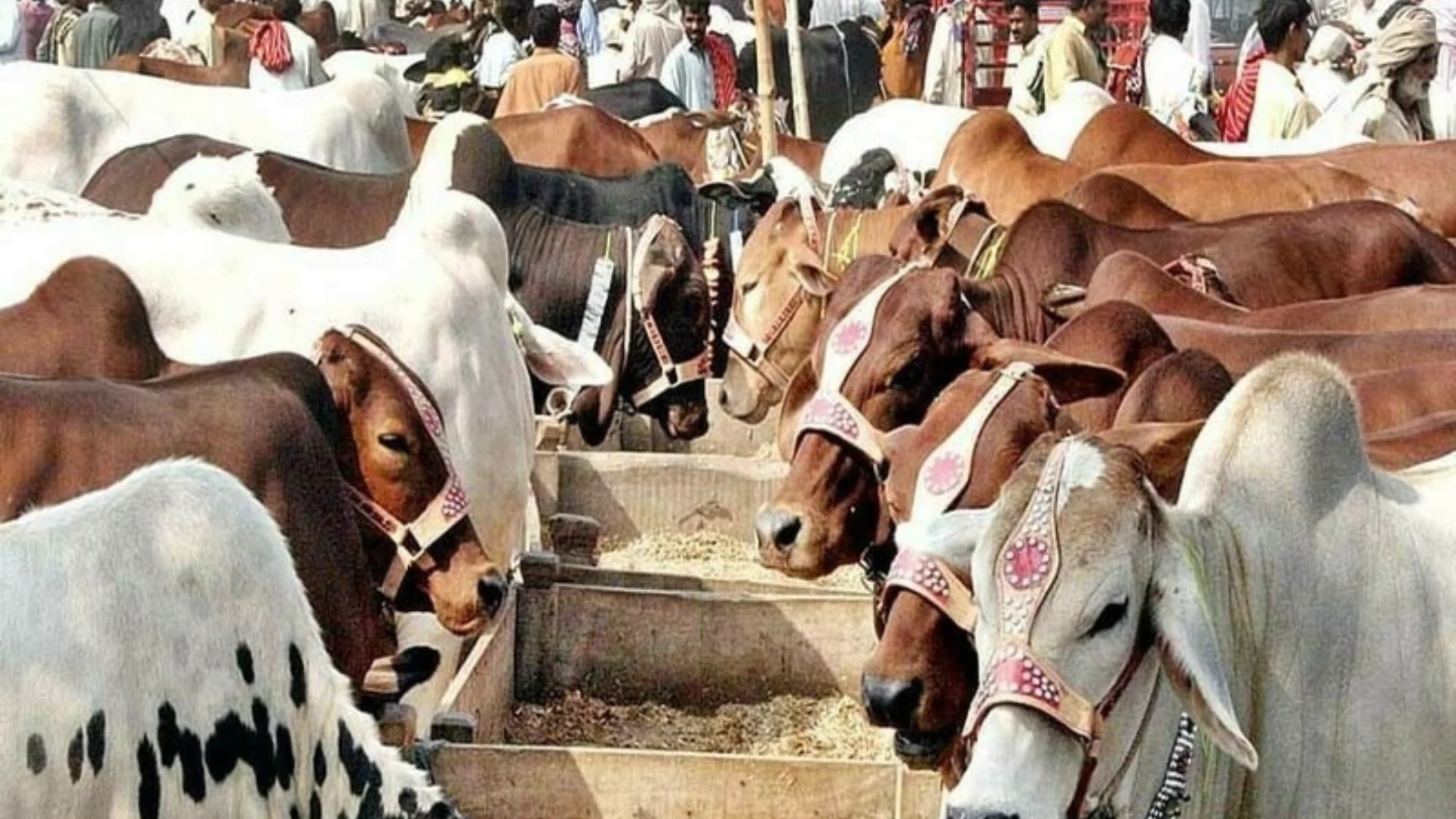
There is a distinct, undeniable shift in the air across Pakistan when the Islamic month of Dhul Hijjah begins. The usual traffic noise of the cities gets punctuated by the distant bleating of goats and the deep grunts of bulls. Street corners transform into impromptu fodder stalls, and children form late-night walking clubs, proudly parading their heavily decorated sacrificial animals through neighborhood lanes. It is a time of immense spiritual devotion, deep-rooted cultural tradition, and, let’s be honest, significant financial planning.
For the average Pakistani family, participating in the Sunnah of Prophet Ibrahim (AS) is not a casual, spur-of-the-moment decision. It requires months—sometimes an entire year—of strict budgeting, cutting back on personal luxuries, and setting aside a portion of the monthly income. Given the intense inflation and economic turbulence the country has faced over the last few years, many expected the 2026 sacrificial numbers to take a massive hit.
Yet, the final post-Eid data tells a completely different, incredibly fascinating story.
According to the official consolidated reports released by the Pakistan Tanners Association (PTA), approximately 7.47 million animals were sacrificed across the country over the three days of Eid-ul-Azha in 2026. When compared to the previous year’s figure of 6.98 million, this represents a highly unexpected 7.06% increase in overall volume.
How did a population wrestling with high utility bills and expensive grocery prices manage to pull off an even larger livestock sacrifice this year? What does this surge say about the current state of Pakistan’s informal economy, its resilient social safety nets, and the high-stakes leather export sector?
Let’s take a comprehensive look behind the numbers to understand the cultural and economic mechanics of Eid-ul-Azha 2026.
By the Numbers: Breaking Down the 2026 Livestock Statistics
The logistics required to track millions of animals scattered across urban residential blocks and remote rural villages is immense. The PTA compiles its data primarily by tracking the inflow of fresh hides and skins into the country’s central leather processing hubs.
When you look at the raw breakdown of the 7.47 million animals, clear consumer preferences and shifting economic strategies emerge:
Total Animals Sacrificed (2026): 7.47 Million
├── Goats: 4.20 Million (56.2%)
├── Cows & Bulls: 2.75 Million (36.8%)
├── Sheep: 0.50 Million (6.7%)
└── Camels: 0.025 Million (0.3%)
The Unrivaled Dominance of the Caprine Market (Goats)
Coming in at a massive 4.2 million heads, goats remained the undisputed favorite for Pakistani households. The reasons for this are entirely practical. A goat represents an individual sacrifice (hissa), making it the perfect choice for small nuclear families or individuals.
Furthermore, goats are significantly easier to manage in cramped urban environments. If you live in an apartment complex in Karachi or a tight alleyway in the old walled city of Lahore, keeping a 300-kilogram bull outside your door for three days is a logistical nightmare. A goat can be easily kept on a rooftop or a small balcony, making it the most accessible option for city dwellers.
The Rise of the Shared Collective (Cows and Bulls)
Large cattle—cows and bulls—took the second spot with 2.75 million heads. While this number looks smaller than the goat tally, it actually represents a massive amount of meat and financial movement.
In recent years, the concept of Ijtimai Qurbani (collective or shared sacrifice) has exploded across Pakistan’s middle class. Instead of buying an entire animal, seven individuals pool their money to purchase a large bull, splitting the cost and the meat into seven equal shares. Welfare organizations, local mosques, and private cattle startups have commercialized this process, allowing people to book a share online without ever having to step foot in a dusty cattle market. This system saved the cattle market this year, allowing families who could no longer afford a standalone goat to still fulfill their religious obligations by buying a share in a bull.
Lahore Bans Tying of Sacrificial Animals on Streets Ahead of Eid-ul-Adha
The Regional Specialties: Sheep and Camels
Sheep accounted for a modest 500,000 heads. In Pakistan, sheep are highly regional choices. While you will see them scattered across Punjab, they are overwhelmingly popular in Balochistan and parts of Khyber Pakhtunkhwa (KP), where local culinary preferences favor fat-tailed sheep variants.
Camels remain the ultimate luxury statement of the festival, standing at just 25,000 heads. Sacrificing a camel requires not just deep pockets, but also specialized knowledge of dhabh (the specific Islamic method of slaughtering a camel). These are predominantly seen in the coastal areas of Karachi, wealthy neighborhoods of major cities, and the desert belts of Southern Punjab and Sindh like Cholistan and Tharparkar.
Decoding the Surge: Why Did Qurbani Numbers Rise in 2026?
On paper, a 7% year-on-year increase during tough economic times feels like a contradiction. However, when you analyze the grassroots realities of Pakistan, several structural factors explain why the markets stayed so incredibly vibrant.
1. The Stability of Overseas Remittances
Pakistan’s informal social safety net is heavily powered by its diaspora. Millions of Pakistanis working in the Gulf, the United Kingdom, and North America send billions of dollars home every year.
Leading up to Eid, a significant portion of these remittances is specifically earmarked for Qurbani. Expats either send money back so their aging parents can buy an animal locally, or they pay Pakistani charity networks to perform the sacrifice on behalf of their family, with the meat distributed directly to the country’s impoverished regions. This constant influx of foreign currency acts as an economic shield, keeping local cattle markets afloat even when domestic salaries are stretched thin.
2. Market Decentralization and Smart Digital Apps
The traditional experience of buying an animal in Pakistan involved traveling to massive, chaotic, muddy fields on the outskirts of major cities, enduring heavy rains, and aggressively haggling with rural traders. For many modern, busy families, this hassle was a major barrier.
By 2026, the digitalization of the livestock industry reached maturity. Dozens of trusted dairy farms and digital apps offered door-to-door delivery. Buyers could view high-definition videos of an animal, check its teeth via a video call to verify its age, pay via a digital wallet, and have the animal delivered directly to their doorstep the night before Eid. By stripping away the friction of the buying process, a whole new generation of younger, tech-savvy professionals entered the market.
3. Supply Chain Recovery in the Livestock Sector
The livestock sector in Pakistan had spent the previous couple of years recovering from catastrophic monsoon floods and outbreaks of regional cattle diseases that severely depleted stocks and drove prices to astronomical heights.
By the start of the 2026 breeding season, the livestock supply chain had stabilized beautifully. Fodder crops were abundant, and animal mortality rates dropped significantly due to better rural veterinary interventions. With a healthy, robust supply of animals arriving from rural Sindh, Southern Punjab, and Balochistan, prices—while still high—did not experience the chaotic, speculative spikes of previous years. This price predictability gave buyers the confidence to make a purchase.
The Industrial Ripple Effect: A Multi-Billion Rupee Hides Market
While Eid-ul-Azha is a profoundly spiritual time for families, it is simultaneously the most critical three-day window for Pakistan’s industrial leather sector. The country’s tanneries rely on this single festival to secure nearly 60% to 70% of their total raw material for the entire fiscal year.
The economic footprint of the 2026 hide collection showcases the immense scale of this seasonal industry:
| Animal Category | Total Skins Collected | Average Price per Hide (Rs.) | Estimated Total Segment Value (Rs.) |
| Cows & Bulls | 2.75 Million | 2,200 | 6.05 Billion |
| Goats | 4.20 Million | 600 | 2.52 Billion |
| Sheep | 0.50 Million | 100 | 0.05 Billion |
| Camels | 0.025 Million | 2,000 | 0.05 Billion |
| Combined Totals | 7.47 Million | — | Rs. 8.67 Billion |
An estimated Rs. 8.67 billion worth of raw hides changed hands in just 72 hours. This isn’t just corporate profit; it represents a massive, rapid transfer of wealth from urban wealth centers straight into the hands of micro-dealers, rural laborers, truck drivers, and welfare organizations.
The Journey of a Hide: From a Backyard Sacrifice to Global Runway Fashion
Have you ever wondered what actually happens to an animal’s skin once the slaughter is completed and the meat is packed away? The journey is a race against time, requiring incredible coordination.
The Crucial Window of Preservation
The moment a skin is removed from an animal, a biological clock starts ticking. In the intense heat of a Pakistani summer, an untreated hide will begin to decompose within 4 to 6 hours, rendering the leather completely useless.
To prevent this, local collectors immediately apply heavy coats of coarse rock salt to draw out moisture and stop bacterial growth. Tons of salt are stockpiled across the country weeks before Eid just for this preservation phase.
The Role of Social Welfare Networks
The vast majority of Pakistani households do not sell their animal hides directly. Instead, they donate them to prominent non-profit organizations and welfare networks like the Edhi Foundation, Saylani Welfare International Trust, Shaukat Khanum Memorial Cancer Hospital, and countless local madrassas.
These charities run massive, highly organized logistical operations during Eid. They deploy fleets of pickup trucks to collect donated hides from residential streets, store them in temporary salting yards, and then sell them in massive bulk quantities to commercial tanneries. The billions of rupees generated from these sales serve as a primary funding source for free ambulances, orphanages, hospitals, and food kitchens throughout the year.
Industrial Transformation and Export Value
Once the hides reach industrial hubs like Korangi in Karachi, Sialkot, or Multan, they undergo a rigorous chemical transformation process known as tanning. The raw skins are cleaned, treated with chromium or organic agents, dyed, and finished into premium, supple leather.
This leather is highly prized in international markets for its strength, grain quality, and texture. Local manufacturers convert this raw material into high-end goods, including:
-
Professional sports equipment (including premium motorcycle racing suits and cricket gear)
-
Luxury leather footwear exported to European fashion houses
-
High-grade jackets, gloves, and travel luggage shipped to North America and East Asia
When you participate in Qurbani, you aren’t just taking part in a localized ritual; you are actively fueling a primary export pipeline that brings much-needed foreign exchange reserves back into Pakistan’s state bank.
The Grassroots Challenges: What Needs to Change?
Despite the impressive numbers, the 2026 post-Eid analysis by the Tanners Association highlighted several deep, systemic vulnerabilities that continue to plague the seasonal industry.
The Critical Issue of Heat Spoilage
Because Eid has shifted deeper into the scorching summer months over recent years due to the lunar calendar cycle, the risk of heat spoilage has grown exponentially. In 2026, it is estimated that nearly 10% to 12% of collected hides were damaged before they could reach tanneries. A combination of delayed pickup times, traffic gridlocks in major cities, and improper salting techniques by untrained volunteers led to massive financial waste.
The Problem of Untrained Flaying
A recurring frustration for the leather industry is the severe degradation of hide quality caused by faulty skinning methods. Due to the acute shortage of professional butchers on the first day of Eid, many households hire seasonal, untrained laborers. These temporary workers frequently use improper knife angles, leaving deep cuts, gashes, and holes in the animal skins. A hide with a deep knife cut immediately loses up to 50% of its commercial value because it can no longer be used for large, seamless products like leather jackets or upholstery.
Environmental and Waste Management Pressures
Cleaning up a major metropolis after millions of animals have been slaughtered within a short timeframe is one of the toughest municipal challenges on earth. While waste management companies in cities like Lahore and Islamabad deployed thousands of workers and distributed biodegradable waste bags, outer suburbs and smaller towns struggled. The accumulation of animal waste and offal creates severe public health risks and puts immense pressure on local drainage systems if not cleared within 24 hours.
The Deeper Meaning: The Unshakable Spirit of a Nation
When you step back from the cold economic tables and industrial data, the numbers from Eid-ul-Azha 2026 reveal something profound about the collective psyche of the Pakistani people.
In any standard capitalist economic model, a country experiencing high inflation, rising electricity tariffs, and a squeeze on disposable income should see a sharp decline in luxury or non-essential spending. Statistically, an expensive animal sacrifice should be the first thing families cut out of their budget.
But Pakistan operates on a different wavelength—one driven by an unshakable commitment to community welfare and spiritual obligation.
When times get tough, Pakistanis do not abandon their traditions; they simply adapt. They choose a shared seven-part cow instead of a standalone goat. They cut back on family clothing budgets or skip dining out for three months to ensure there is enough money saved for the cattle market.
Most importantly, the festival reminds us that the meat is intentionally divided into three equal portions: one for the home, one for extended family and friends, and one exclusively for the underprivileged. In a country where regular access to high-quality protein is a luxury for millions of low-income families, this three-day festival ensures that even the poorest households across the nation can enjoy a nutritious, celebratory meal with dignity.
The 7% increase in sacrifices during Eid-ul-Azha 2026 is a powerful reminder that despite economic pressures, the spirit of generosity, faith, and communal sharing remains entirely unbroken at the heart of Pakistani society.