
A new proposal in Lahore could make it harder for traffic fine defaulters to avoid paying their outstanding e-challan and digital challans. Chief Traffic Officer Lahore Syed Abdul Raheem Shirazi has proposed a comprehensive mechanism to improve the recovery of unpaid traffic fines by linking certain government and public services to the clearance of outstanding challans.
A formal communication has reportedly been sent to the DIG Traffic Punjab and PITB, suggesting improvements to the existing digital system. Under the proposal, details of pending digital challans, including their payment information and PSIDs, would be displayed more clearly through the Digital One App, allowing citizens to easily check and pay their outstanding fines.
Over 61,000 E-Challan Issued in Karachi, Including 589 Government Vehicles and 118 Police Mobiles
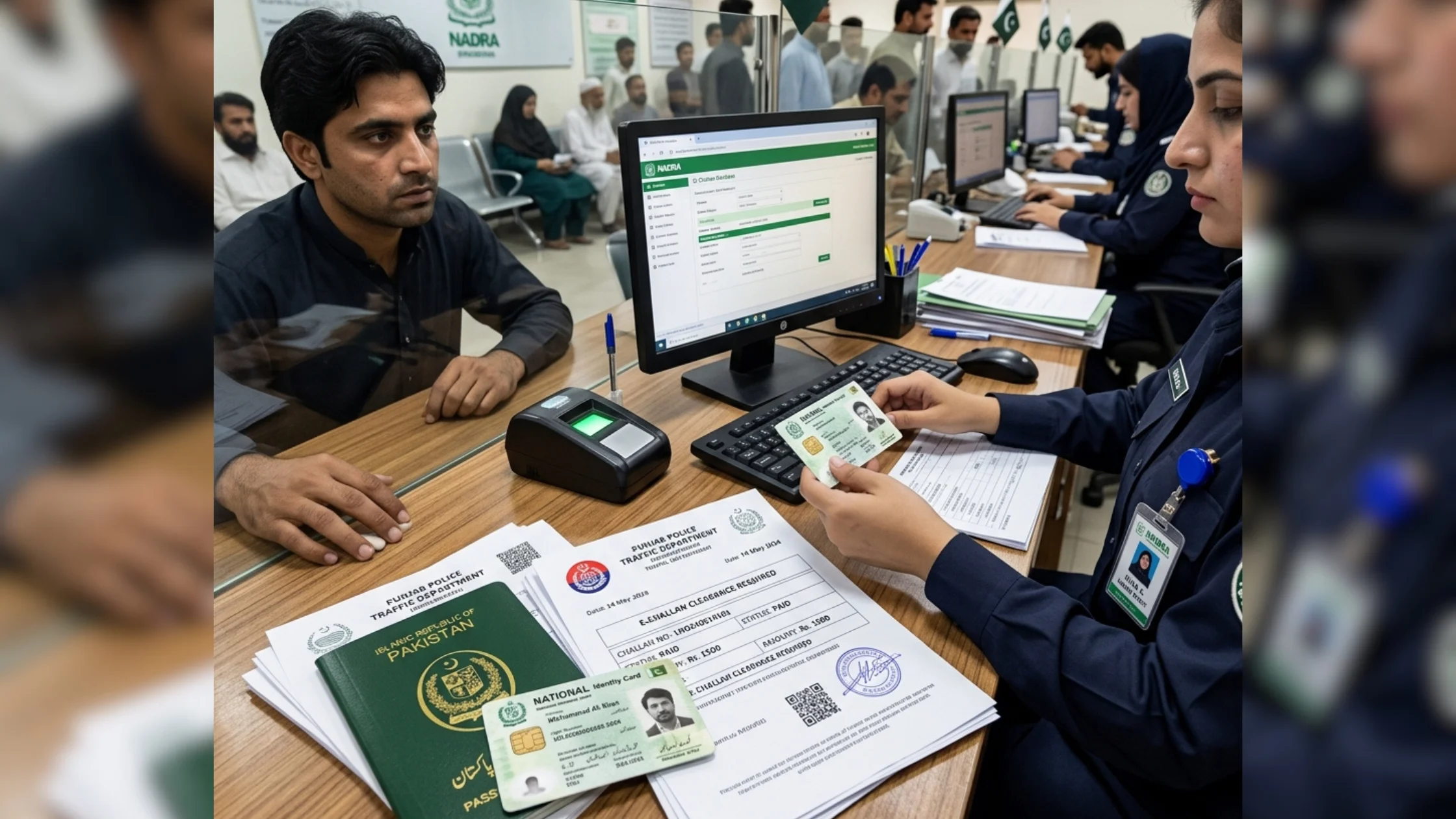
One of the major proposals involves services provided at Police Khidmat Markaz. The communication suggests that the issuance, renewal, modification or replacement of CNICs for digital challan defaulters could be linked to payment of their pending traffic fines. Similarly, the issuance and renewal of passports has been proposed to become conditional on clearing outstanding e-challans and digital challans.
Vehicle-related transactions could also be affected. The proposal recommends linking vehicle transfer, sale and purchase transactions with the clearance of pending traffic fines, potentially preventing defaulters from completing certain vehicle-related processes until their dues are settled.
According to the communication, some citizens reportedly choose to obtain new identity documents instead of clearing their unpaid digital challans, creating difficulties in recovering outstanding fines. The proposed system aims to close this gap by connecting different government services with traffic fine records.
If implemented, the mechanism could significantly strengthen traffic enforcement and encourage timely payment of digital challans. However, the proposals would require coordination among the relevant departments before becoming operational.