

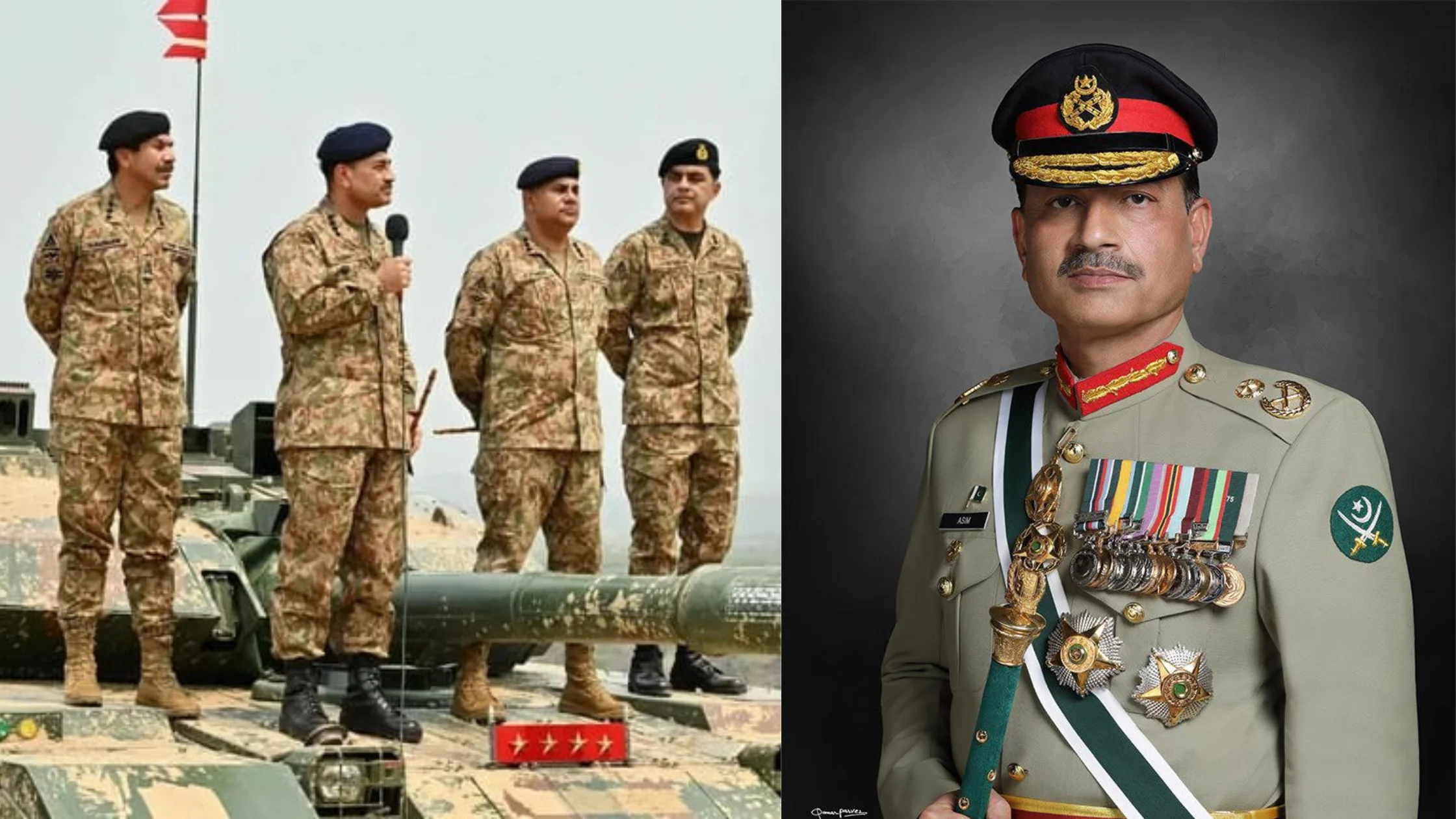
Pakistan has undertaken a sweeping redesign of its national security architecture, marking the most significant transformation of the country’s Higher Defence Organisation (HDO) since 1976. According to a report by Dawn, the restructuring has been introduced through amendments to Article 243 of the Constitution and revisions to the laws governing the Army, Air Force, and Navy. Supporters call it a step toward modernization, while critics warn it represents a worrying tilt toward excessive centralization.
At the heart of the new framework is the creation of a single, powerful office: the Chief of Defence Forces (CDF)—a title that will soon be held concurrently by the Army Chief. This dual role grants unprecedented authority over multi-domain military integration, joint-force restructuring, and overall defence coordination. However, the vague language in the amendments has raised critical questions about who will define the CDF’s powers, especially since parliamentary oversight is not required.
One of the most dramatic changes is the abolition of the Chairman Joint Chiefs of Staff Committee (CJCSC)—a tri-services office created after the 1971 war to prevent coordination failures. The position will cease to exist from November 27, ending nearly five decades of joint military representation during wartime.
The government and military argue that the new structure reflects the needs of modern warfare, where cyber, space, drone, and information operations blur traditional service boundaries. Critics, however, say the reform centralizes too much power in a single office rather than strengthening joint institutions across services.
Former Air Chief Marshal Abbas Khattak noted that global militaries embraced separate, independent service branches after extensive study, whereas Pakistan appears to be reverting to an older model without a national debate. Analysts also warn that nearly all major military appointments—including the newly established Commander National Strategic Command (CNSC), who oversees nuclear assets—will now depend on recommendations from the CDF. The appointment and extension of the CNSC have also been removed from judicial review, a clause legal experts say clashes with fundamental constitutional rights.
Though the National Command Authority (NCA) remains under civilian leadership, the balance has shifted further toward the military, especially the Army, even though nuclear delivery systems exist across all three services.
Experts caution that at a time when maritime and aerial threats are rising, the influence of the Navy and Air Force appears diminished under the new structure. They argue that modern reform should strengthen institutions—not concentrate authority in one office that may remain in place until 2030 or even 2035.
The overhaul has sparked a nationwide discussion about civil–military balance, joint command effectiveness, and the long-term implications of anchoring national security around one position rather than resilient institutions.