

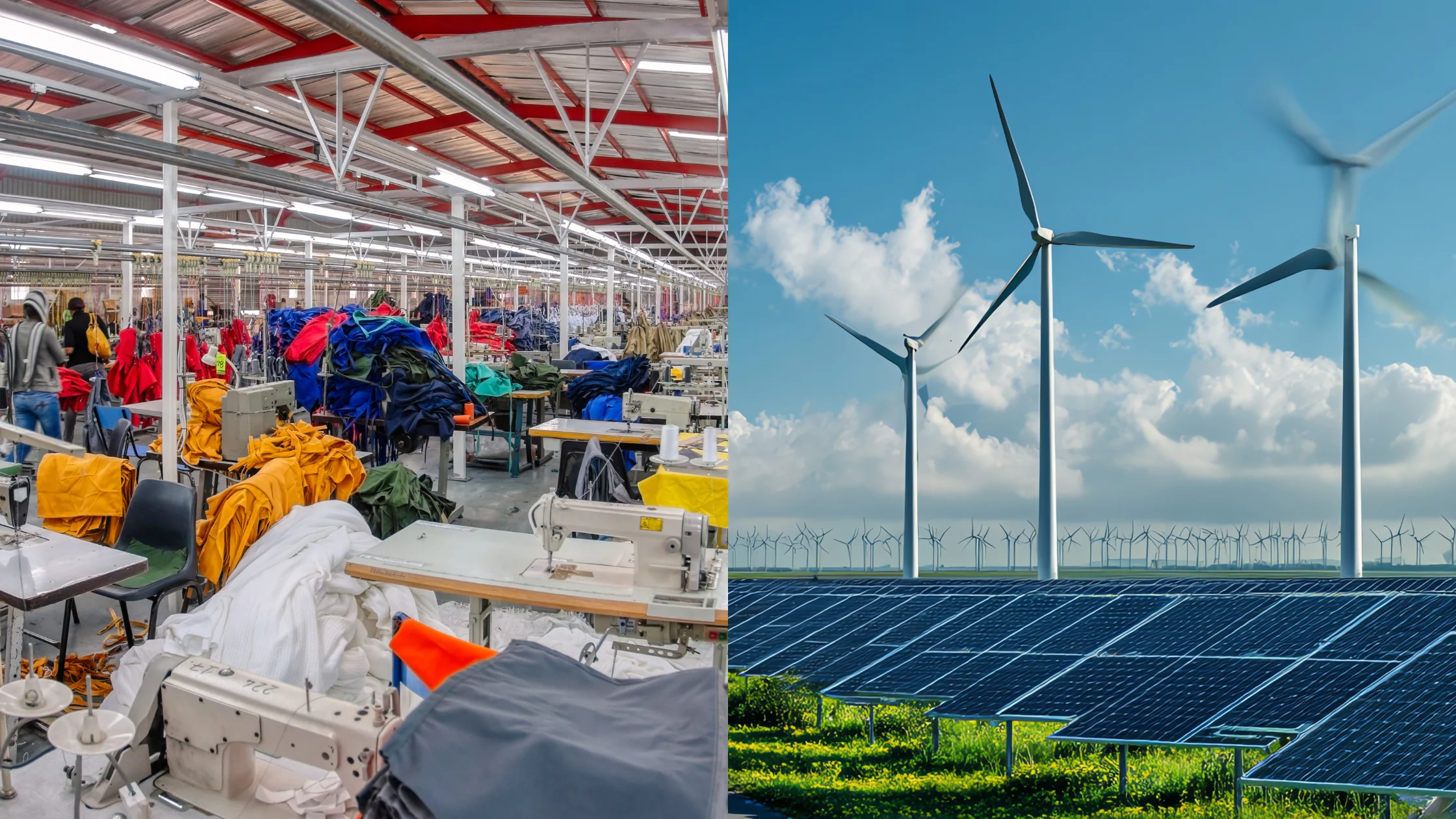
Premium Textile Mills Limited, a leading Pakistani manufacturer of cotton and polyester yarn, has approved a $4.15 million investment to install a 7.5MW wind turbine, further expanding its renewable energy portfolio. The announcement was made through an official notice submitted to the Pakistan Stock Exchange (PSX) on Monday.
According to the company’s statement, the Board of Directors approved the decision via a circular resolution dated November 24, 2025, marking another significant shift toward clean energy adoption within Pakistan’s industrial sector.
Pakistan Upgrades Railway Network with Solar Power and Free WiFi at Stations
Commitment to Sustainability
Premium Textile Mills emphasized that the investment aligns with its long-term sustainability goals.
“Keeping up with our commitment toward sustainable environmental practices, the contribution of renewable energy in the power mix will significantly increase after the completion of this project,” the company noted.
Growing Renewable Capacity
The company already operates 20MW of solar power and has an existing 7.5MW wind turbine installation under implementation.
With the addition of the newly approved turbine:
- Total wind power capacity will reach 15MW
- Combined renewable output will significantly reduce reliance on grid electricity
- The company expects to generate 55.2 GWh annually through wind energy alone
- Carbon emissions will be reduced by 30,000 metric tons per year
- Approximately 67% of overall energy needs will be met through renewable sources
The new 7.5MW wind turbine is expected to be completed and commissioned by Q4 2026.
Renewable Shift Across Pakistan
The development comes amid a broader national move toward renewable energy, driven by high electricity tariffs and frequent power outages. Industrial, commercial, and domestic consumers are increasingly exploring solar and wind alternatives to cut costs and ensure reliable power supply.
Recently, Dynea Pakistan Limited also announced a 1.1MW captive wind power project in Hub, Balochistan, reinforcing the trend toward decentralized renewable energy generation.