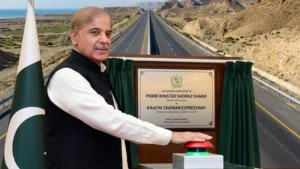

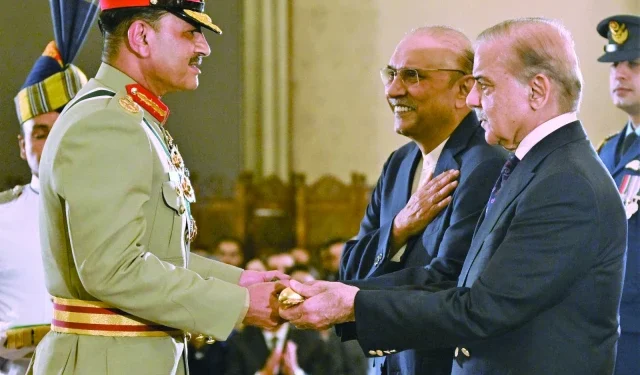
In a landmark initiative for national unity and regional stability, Pakistan’s leadership will convene a major tribal jirga in Quetta this Saturday. Prime Minister Shehbaz Sharif and Chief of Army Staff General Asim Munir will jointly chair this high-level gathering, demonstrating an unprecedented show of solidarity between civil and military leadership to address Balochistan’s complex challenges.
TheTribal Jirga represents a strategic shift towards conflict resolution through indigenous mechanisms, bringing together federal ministers, provincial leaders, parliamentarians, and tribal elders from across Balochistan’s diverse ethnic landscape. This inclusive approach underscores Islamabad’s commitment to resolving longstanding grievances through dialogue rather than force, marking a potential turning point in the province’s troubled history with the center.
Pakistan Launches “Apna Meter Apni Reading” Scheme to Tackle Electricity Overbilling
At the heart of the consultation lies a three-pronged agenda: political reconciliation, security cooperation, and equitable development. The government aims to rebuild trust with Baloch communities by respecting traditional decision-making structures while simultaneously addressing core issues of governance, resource distribution, and counterterrorism strategy.
Security analysts note the symbolic importance of holding the Tribal Jirga in Quetta, which serves as both the provincial capital and a historic meeting ground for tribal leaders. The participation of General Munir alongside civilian leadership sends a powerful message about the military establishment’s support for political solutions to Balochistan’s challenges.
Development experts anticipate the dialogue will yield concrete plans for infrastructure projects, job creation initiatives, and improved service delivery tailored to local needs. The jirga model, deeply rooted in Pashtun and Baloch traditions, offers a culturally appropriate framework for consensus-building that could prove more effective than previous top-down approaches.
This gathering comes at a critical juncture as Pakistan seeks to counter external narratives about Balochistan while addressing legitimate internal grievances. Its success could establish a replicable model for conflict resolution in other restive regions of the country.