
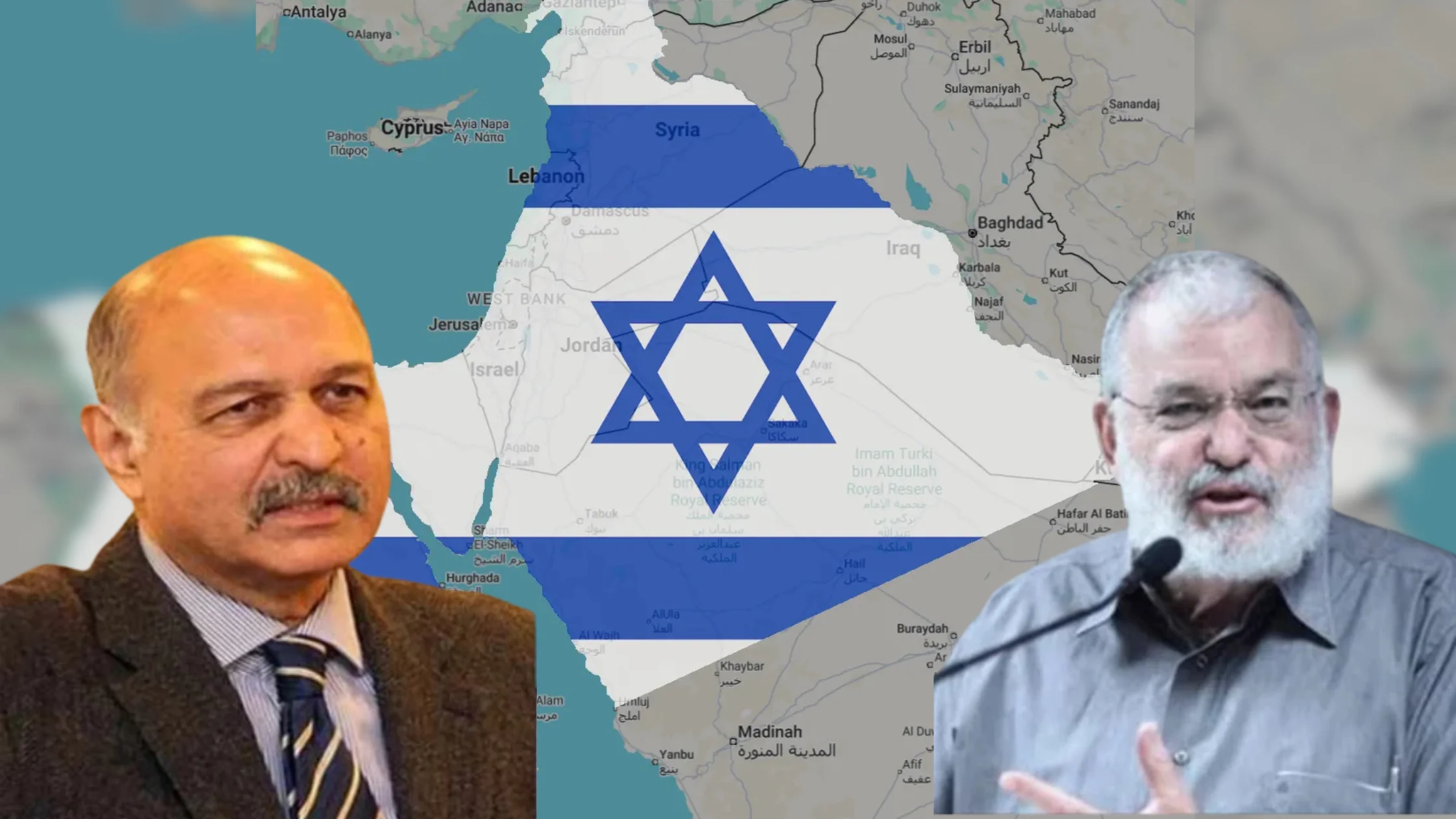
A tense and highly charged discussion unfolded on international television when Mushahid Hussain clashed with former Israeli national security adviser Yakov Amidror over the ongoing conflict involving Iran. The debate, aired on a global news platform, quickly gained attention as both sides presented sharply opposing views on the war, its causes, and its broader implications for the region. Mushahid Hussain strongly argued that the conflict is not just a military confrontation but part of a larger ideological and strategic vision often referred to as the “Greater Israel” agenda.
During the discussion, Mushahid emphasized that despite continued attacks and pressure, Iran has managed to maintain its position and even emerge with strategic strength. He pointed out that conflicts in the region are not isolated events but interconnected developments that shape the balance of power across the Middle East. His perspective challenged the narrative often presented by Western and Israeli officials, suggesting that the situation on the ground is far more complex than it appears.
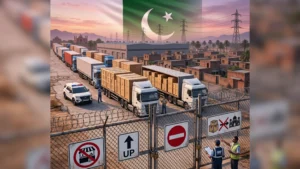
Pakistan Eases Export Rules to Boost Trade via Iran Route Amid Regional Disruptions
On the other hand, Yakov Amidror defended Israel’s military actions, stating that operations were progressing according to plan and successfully weakening Iran’s capabilities. He dismissed concerns about resource shortages and claimed that Israel could continue its military campaign for weeks if necessary. Amidror also reassured viewers that daily life in Israel remained largely normal despite the ongoing conflict, highlighting confidence in the country’s defense systems.
A key moment in the debate came when the effectiveness of Israel’s defense systems was questioned. Amidror claimed that systems like the Iron Dome were performing effectively, intercepting a large percentage of incoming threats. However, he later clarified that many of these interceptions were actually carried out by more advanced systems such as Arrow-3, adding another layer to the discussion about military capabilities and public perception.
This intense exchange reflects the deep divide in global opinions regarding the conflict. It also highlights how media platforms have become arenas for competing narratives, where political leaders and military experts shape public understanding of complex geopolitical issues.