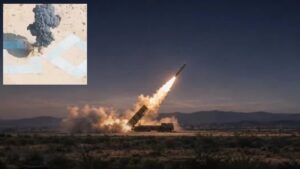
The military confrontation between India and Pakistan in May 2025 represented one of the most dangerous escalations between the nuclear-armed neighbors in recent years. What began as routine border skirmishes along the Line of Control in Kashmir rapidly developed into a full-blown crisis involving aerial engagements and missile exchanges. The international community watched with growing concern as the conflict threatened to spiral out of control, potentially leading to catastrophic consequences for the region and beyond.
The sudden announcement of a ceasefire on May 10 came as a relief to global observers, but the path to de-escalation involved complex diplomatic maneuvers behind the scenes. According to verified reports from multiple sources, the Indian government made urgent appeals to both the United States and Saudi Arabia to intervene and help restrain Pakistan’s military response. This analysis examines the sequence of events that led to the confrontation, the strategic calculations of both nations, and the international effort that ultimately prevented further escalation.
The Escalation: From Border Clashes to Aerial Combat
Initial Phase of Hostilities
The crisis emerged from an increasingly volatile security situation along the Kashmir border during the first week of May. Cross-border shelling intensified significantly, with both sides reporting civilian casualties and damage to infrastructure. Military analysts noted an unusual buildup of forces along the Line of Control, suggesting preparations for potential ground operations.
The situation took a dramatic turn on May 7 when Indian Air Force jets crossed into Pakistani-administered Kashmir, targeting what New Delhi described as militant training camps. This marked the first use of airpower in the conflict since the 2019 Balakot incident and represented a significant escalation in military posturing.
Pakistan’s Military Response
Pakistan’s reaction to the Indian airstrikes demonstrated both capability and restraint. Rather than launching indiscriminate retaliatory strikes, Pakistani forces employed precision-guided munitions against carefully selected military targets across the Line of Control. Defense experts noted the effectiveness of Pakistan’s indigenous missile systems, which reportedly achieved direct hits on several Indian military installations while avoiding civilian areas.
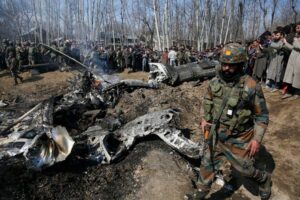
The strategic significance of Pakistan’s response became clear on May 9 when Indian forces lost two advanced Sukhoi Su-30MKI fighter jets in aerial engagements. This development marked a turning point in the crisis, exposing vulnerabilities in India’s air defense capabilities and altering the military calculus on both sides.
Diplomatic Efforts to Prevent Full-Scale War
India’s Urgent Appeals for International Assistance
Facing unexpected military setbacks and growing diplomatic isolation, Indian officials initiated a series of urgent contacts with key international partners. Foreign Minister S. Jaishankar placed a late-night call to U.S. Secretary of State Mark Rubio, requesting American intervention to help de-escalate the situation. Indian representatives emphasized the risk of uncontrolled escalation and the potential for the conflict to spiral into a broader regional crisis.
Simultaneously, India reached out to Saudi Arabia through backchannel diplomatic contacts. Recognizing Riyadh’s close economic and political ties with Islamabad, New Delhi hoped Saudi leadership could help moderate Pakistan’s military response. The Saudi Foreign Minister subsequently engaged directly with Pakistani officials, conveying international concerns about the growing conflict.
International Mediation and Pressure
The United States and Saudi Arabia emerged as the primary mediators in the India And Pakistan crisis, working both independently and collaboratively to encourage de-escalation. American diplomats maintained constant contact with military and political leaders in both capitals, while Saudi officials leveraged their unique relationship with Pakistan to encourage restraint.
Other global powers also played important roles in supporting the peace effort. China, while maintaining its traditional support for Pakistan, issued public calls for restraint from all parties. Russia offered to facilitate dialogue between the two sides, while European Union representatives worked through multilateral channels to support the ceasefire initiative.
Terms and Implications of the Ceasefire Agreement
Key Provisions of the Settlement
The ceasefire agreement announced on May 10 contained several critical elements designed to stabilize the situation and create space for further diplomatic engagement. Both nations committed to an immediate cessation of all military operations along the Line of Control, including aerial activity and artillery exchanges. The agreement required forces to withdraw to positions held prior to the escalation and established United Nations-monitored buffer zones in particularly volatile sectors.
Perhaps most significantly, the agreement included a commitment to resume comprehensive diplomatic talks within thirty days, with the participation of international observers. This provision represented an important breakthrough after years of stalled negotiations between the two neighbors.
Strategic Consequences for Regional Stability
The crisis and its resolution have had significant implications for the regional balance of power and future conflict dynamics. Pakistan emerged from the confrontation with enhanced credibility regarding both its military capabilities and its willingness to exercise restraint. The precision and effectiveness of its response demonstrated significant advances in indigenous defense technology.
For India, the episode raised difficult questions about military preparedness and strategic planning. The loss of advanced aircraft and the need for external diplomatic intervention represented notable setbacks. Analysts suggest the experience may lead to significant reassessments of defense policy and regional strategy in New Delhi.
Global Reactions and Long-Term Implications
International Response to the India And Pakistan Crisis
The international community largely welcomed the ceasefire agreement, though with varying degrees of enthusiasm. The United States and European nations praised the restraint shown by both parties in accepting mediation. China emphasized the importance of respecting territorial sovereignty while calling for continued dialogue. Regional powers including Iran and Afghanistan expressed cautious optimism about the prospects for lasting stability.
Potential Pathways for Lasting Peace
While the immediate crisis has been averted, fundamental tensions between India and Pakistan remain unresolved. Experts identify several key challenges and opportunities for sustainable conflict resolution:
Confidence-Building Measures
– Establishment of permanent communication channels between military commands
– Expansion of UN monitoring mechanisms along the Line of Control
– Development of protocols for incident prevention and management
Economic and Diplomatic Engagement
– Gradual restoration of trade relations and transportation links
– Increased people-to-people exchanges and cultural diplomacy
– Multilateral frameworks for regional economic cooperation
Security Cooperation
– Enhanced transparency regarding military exercises and deployments
– Potential arms control agreements for conventional forces
– Continued nuclear risk reduction measures
The May 2025 crisis demonstrated both the persistent dangers of the India And Pakistan rivalry and the potential for effective international mediation. While the ceasefire represents an important achievement, transforming this temporary pause into lasting peace will require sustained commitment from both nations and the international community. The coming months will test whether the lessons of this crisis can be translated into meaningful progress toward regional stability.
FAQs
1. What started the India And Pakistan conflict?
Indian airstrikes on May 7 triggered Pakistan’s precision retaliation, escalating to aerial combat.
2. Why did India seek US/Saudi help?
After losing jets and facing international pressure, India needed mediation to stop Pakistan’s strikes.
3. How did Pakistan show restraint?
By targeting only military sites with accurate missiles while keeping diplomatic channels open.
4. What ended the fighting?
A May 10 ceasefire brokered by the US/Saudi Arabia, requiring troop withdrawals and future talks.
5. What’s the India And Pakistan conflict’s lasting impact?
Exposed military vulnerabilities while proving third-party mediation can prevent nuclear escalation.