

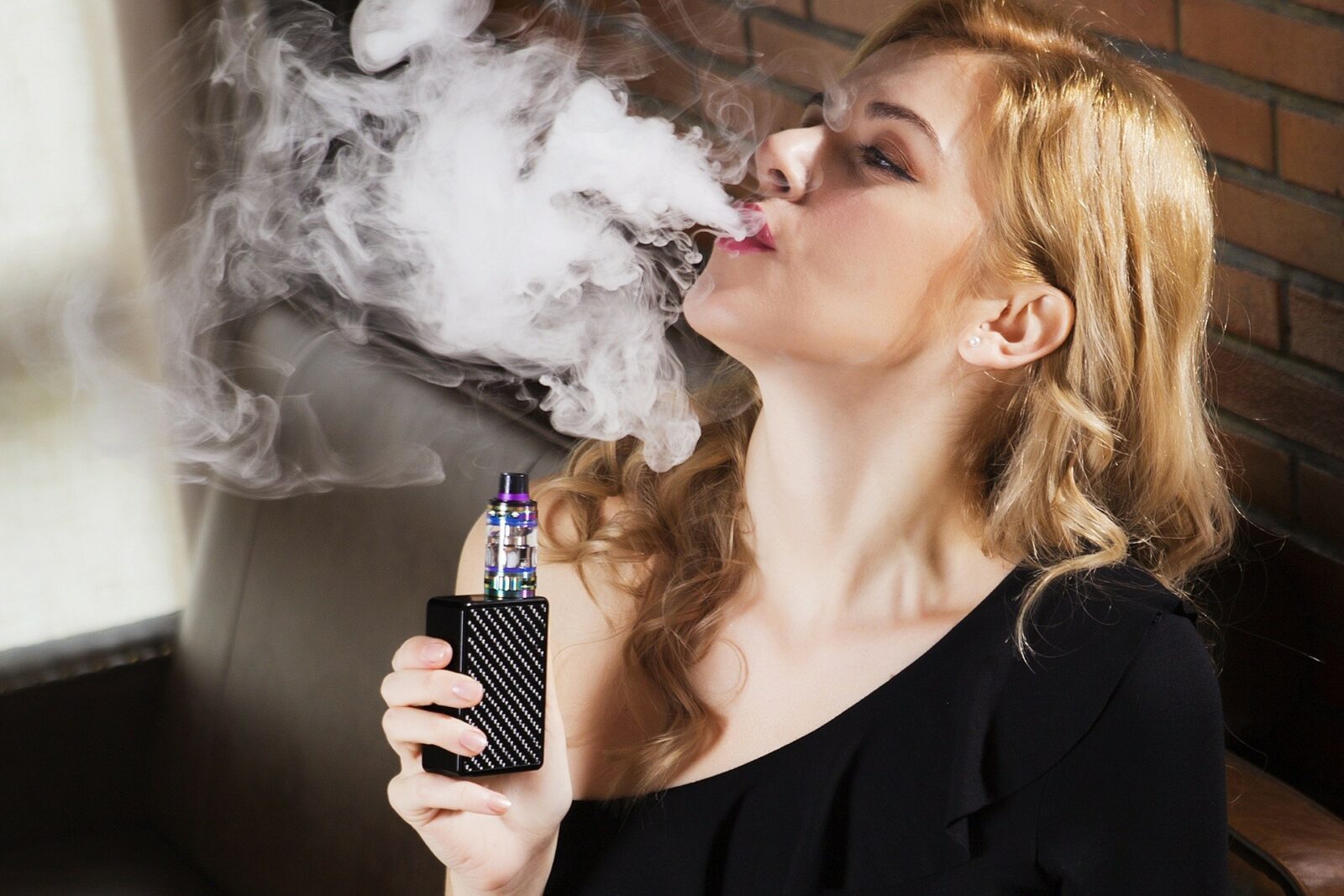
Vaping, once marketed as a safer alternative to smoking, has now emerged as a serious public health concern. Especially among youth, the popularity of flavored e-cigarettes is contributing to an alarming rise in lung-related diseases. One rare but devastating disease, bronchiolitis obliterans—commonly known as “popcorn lung”—has been linked directly to vaping. This disease causes permanent damage to the lungs’ small airways and has no known cure.
While much of the research and attention comes from the West, the vaping trend and its dangers are rapidly growing in Pakistan, where regulation and awareness remain dangerously low.
What is Popcorn Lung?
“Popcorn lung” is a nickname for bronchiolitis obliterans, a condition that scars the lungs’ tiniest airways. The disease results in symptoms such as:
- Persistent dry cough
- Shortness of breath
- Wheezing
- Fatigue
In the U.S., a teenage boy developed popcorn lung after secretly vaping for three years. Experts believe that chemical flavorings in vape liquids, particularly diacetyl, are the main cause.
The Situation in Pakistan
According to local media reports and health experts in Pakistan, the rise of vaping among teenagers and young adults is a growing concern. In urban centers like Karachi, Lahore, and Islamabad, vape shops and kiosks are easily accessible. Flavored vape products marketed with names like mango blast and blueberry ice are especially attractive to the youth.
- A report by The Express Tribune revealed that over 60% of Pakistani teens who vape have never smoked traditional cigarettes.
- The Pakistan Medical Association (PMA) has repeatedly called for stricter laws on e-cigarette sales and advertising.
- Despite a 2019 notice from the Ministry of Health to regulate e-cigarettes, there is still no federal ban or standardized policy in Pakistan.
What Makes Vaping Dangerous?
Vaping involves inhaling vapor from a liquid (known as e-liquid or vape juice), which contains:
- Nicotine or THC (tetrahydrocannabinol)
- Flavoring chemicals like diacetyl and 2,3-pentanedione
- Solvents such as propylene glycol and vegetable glycerin
- Heavy metals (from the heating coils)
- Microbial toxins like endotoxins and fungal spores
When these ingredients are heated and inhaled, they enter the lungs and bloodstream, where they can cause both short-term and long-term health issues.
Haleon Launches Pain Management Institute in Pakistan: A Groundbreaking Initiative in Healthcare
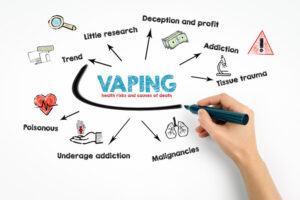
EVALI A Global Epidemic
In 2019, the United States reported over 2,800 cases of EVALI (E-cigarette or Vaping-Associated Lung Injury), with 68 deaths. The majority of patients were under 25 years old. EVALI causes symptoms such as:
- Cough
- Fever
- Vomiting
- Chest pain
- Difficulty breathing
Vitamin E acetate, often found in THC vape products, was identified as a key factor.
Could Pakistan Be Next?
Although Pakistan has not officially recorded EVALI cases, underreporting is likely due to:
- Lack of diagnostic tools
- Low awareness among healthcare providers
- Misdiagnosis as asthma or pneumonia
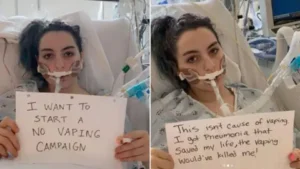
Hospitals across Pakistan are seeing increased cases of unexplained lung injuries, especially in teens with a history of vaping.
Vaping and Asthma: A Dangerous Mix
Vaping has been shown to:
- Worsen asthma symptoms
- Increase the risk of asthma attacks
- Make inhalers less effective
In a country like Pakistan, where asthma affects over 6 million people, the risks are significant. A study published in the Pakistan Journal of Medical Sciences found that 35% of young vape users also suffered from asthma, and many had more frequent hospital visits than non-vapers.
Long-Term Risks of Vaping
Although vaping is still a relatively new phenomenon, early research shows that it can lead to:
- Chronic Obstructive Pulmonary Disease (COPD)
- Emphysema
- Heart disease
- Kidney and liver damage
- Increased risk of cancer
Additionally, the nicotine in e-cigarettes affects brain development in teenagers, making them more vulnerable to addiction and mental health issues.
Regulation: What Is Pakistan Doing?
Currently, Pakistan lacks a strong policy to regulate or ban the sale of e-cigarettes. This gap allows:
- Unregulated vape shops to operate freely
- Counterfeit and unsafe products to enter the market
- Marketing targeting children and teenagers
Health experts, including the Pakistan Chest Society, are urging the government to:
- Ban flavored e-cigarettes
- Restrict sales to adults
- Include warning labels
- Launch public awareness campaigns

What Parents and Schools Can Do
To protect the youth of Pakistan, community involvement is crucial:
- Parents should talk to their children about the risks of e-cigarettes
- Teachers should include anti-vaping education in health classes
- Schools should enforce strict no-vaping policies
- Doctors should screen patients, especially teens, for vaping use
Conclusion
Vaping may appear modern and trendy, but its health consequences are far from safe. In Pakistan, the increasing popularity of e-cigarettes among youth is setting the stage for a future public health crisis. From popcorn lung to EVALI and asthma, the risks are clear.
Urgent action is needed to regulate the sale, distribution, and advertising of vaping products. Parents, schools, and healthcare professionals must work together to educate and protect the youth before it’s too late.