

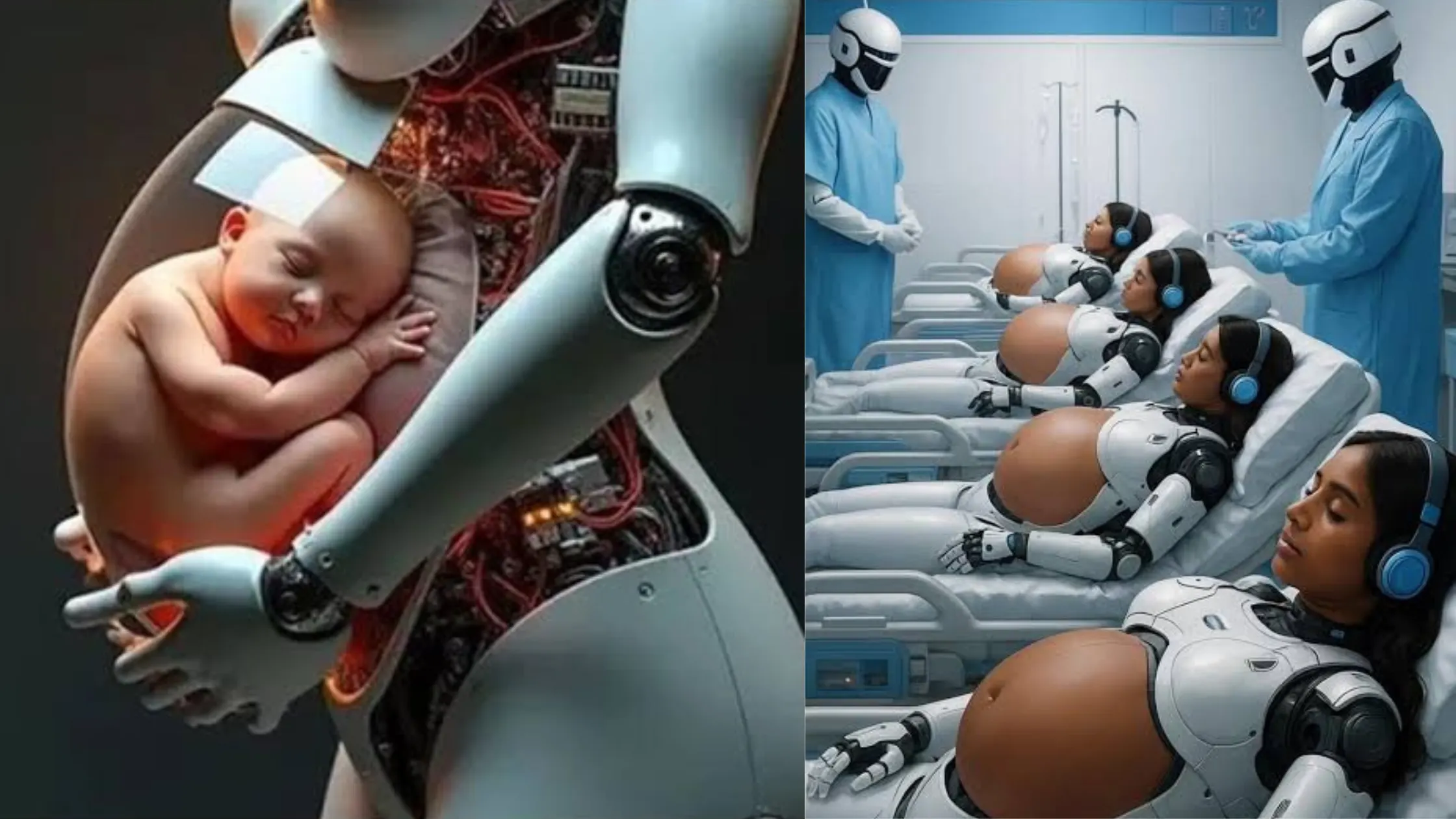
A bold new idea is making headlines worldwide. China’s Guangzhou-based KAIWA Technology has revealed plans for the world’s first pregnant humanoid robot. This futuristic robot is designed with an artificial womb that can carry a baby from conception until birth, raising both excitement and concern across the globe.
The robot will use a synthetic fluid environment similar to the natural womb, where the embryo will be safely nurtured. Oxygen and nutrients will be delivered through special tubes, just like in human pregnancy. Experts say the technology could help couples struggling with infertility, while also offering an alternative for women facing serious health risks during pregnancy.
The Japanese Walking Technique That’s Better Than Running for Weight Loss
According to KAIWA Technology, the first working prototype is expected in 2026, with an estimated cost of $14,000. Though still under development, the project has already started intense debates in medical, social, and ethical circles.
Supporters believe this pregnant humanoid robot could be a revolutionary step forward for science and healthcare. It may create opportunities for new fertility solutions, advanced maternal care, and even safer childbirth. On the other hand, critics are deeply concerned. They argue that the concept raises serious ethical, legal, and social questions. Who would be considered the parent? What rights would a child born this way have? Could technology ever replace the emotional bond of natural motherhood?
Beyond the ethical challenges, many also fear the misuse of such technology. Without clear laws, the creation of life through robots could lead to unexpected risks. However, supporters counter that technology has always faced resistance before proving its value.
Whether celebrated as innovation or questioned as a moral challenge, one thing is certain: the world’s first pregnant humanoid robot is pushing humanity into a future once thought impossible.
FAQs
1. What is KAIWA Technology’s new invention?
It is the world’s first pregnant humanoid robot with an artificial womb.
2. How does the artificial womb work?
It uses synthetic fluid and nutrient tubes to support the fetus like a natural womb.
3. When will the prototype be available?
The first version is planned for 2026.
4. What will be the cost?
The robot is expected to cost around $14,000.
5. Why are people concerned about this project?
Because it raises ethical, legal, and social issues about family, parenthood, and human values.