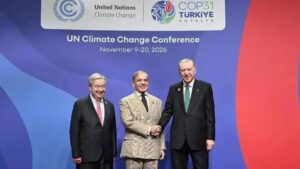
With the conclusion of the Shanghai Cooperation Organization (SCO) summit, it’s time to reflect on what this significant gathering of world leaders means for Pakistan and the broader region. Hosting the summit was more than just a show of diplomacy—it was an opportunity for Pakistan to reposition itself on the global stage and set the course for its future. But will this summit deliver real change, or is it just another political event?
Pakistan’s Moment to Shine
For Pakistan, successfully hosting the SCO summit felt like a long-awaited win. With officials from countries like China, Russia, and Iran present, Pakistan made a clear statement: it’s ready to be a major player in regional affairs. For a country that’s often been sidelined in global diplomacy due to security concerns and political instability, this summit was a chance to show that Pakistan is back in the game.
This isn’t just about optics. Pakistan has traditionally leaned heavily on Western powers for support, but the SCO summit signaled a shift. By engaging with its Eurasian neighbors—particularly China and Russia—Pakistan is diversifying its alliances. This could help reduce its reliance on institutions like the IMF and strengthen its bargaining power on the international stage.
The Economic Opportunity: More Than Just Talk?
Economically, this summit could be a turning point for Pakistan. SCO member countries represent vast markets, energy reserves, and economic opportunities. With its strategic location at the crossroads of Central and South Asia, Pakistan has the potential to become a critical trade and logistics hub. By fostering deeper ties with China, Russia, and Central Asian states, Pakistan could attract much-needed investment and boost its exports.
But the key question is: will Pakistan’s government be able to turn these opportunities into reality? The country’s economy is still fragile, despite some recent positive signs. Pakistan needs to stabilize its regulatory environment, improve security, and provide political consistency to convince investors that it’s a safe bet. The summit might have opened the doors, but the hard work lies ahead.
Security Cooperation: A Shared Regional Challenge
One of the core pillars of the SCO is security cooperation, which is a lifeline for Pakistan given its ongoing challenges with terrorism and extremism. With Afghanistan’s situation still unstable, regional collaboration on counterterrorism and intelligence-sharing is more crucial than ever. The summit offered Pakistan a platform to strengthen these efforts and work with its neighbors to ensure regional peace.
This could also help stabilize Pakistan internally, as cross-border terrorism from Afghanistan has long been a concern. Cooperation through the SCO gives Pakistan a real chance to improve its internal security, a crucial factor for long-term growth and stability.
A New Balance in Regional Politics
In the bigger picture, the summit may have lasting effects on regional power dynamics. The SCO, which includes both India and Pakistan, offers a platform for dialogue between the two rivals, even amidst their complex geopolitical stances. Both nations, while aligned with different global powers, remain committed to regional collaboration within the SCO. This could serve as a stabilizing factor for South Asia, which has long been a hotspot of tension.
For Pakistan, this balancing act between East and West could prove advantageous. As tensions between Western powers and countries like China and Russia escalate, the SCO gives Pakistan a way to engage with non-Western powers on equal footing. This might help Pakistan carve out a more independent role in regional and global politics, without having to pick sides.
The Road Ahead: Turning Diplomacy into Action
The SCO summit has certainly boosted Pakistan’s diplomatic standing, but the question remains: what now? To translate the summit’s success into real economic and security gains, Pakistan’s leadership must act quickly and decisively. It’s not enough to attend summits and sign agreements—Pakistan needs to follow through with concrete policies that attract investment, strengthen regional ties, and improve internal governance.
More than anything, political stability at home will be key. With elections on the horizon and economic challenges still looming, Pakistan must ensure continuity in its policies to capitalize on the momentum generated by the summit.
A Defining Opportunity
The SCO summit was a moment of opportunity for Pakistan—a chance to reshape its future and cement its role in a rapidly changing world. If Pakistan can take the diplomatic win and turn it into economic growth, regional cooperation, and enhanced security, this could be a defining moment in its history.
But as always, the devil is in the details. It’s now up to Pakistan’s leaders to make sure this isn’t just another summit, but the start of something bigger, more lasting, and more impactful for the country and the region.