
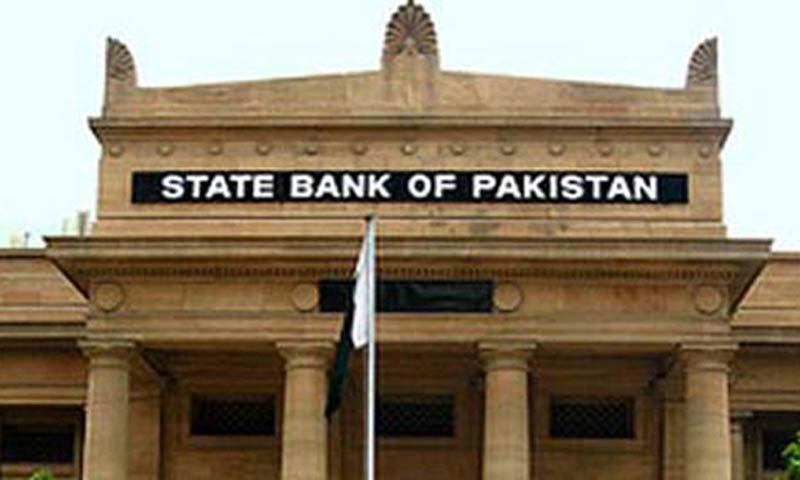
The State Bank of Pakistan (SBP) has published its Annual Report on Pakistan’s Economy for the fiscal year 2023-24, showing signs of economic recovery spurred by stabilization efforts, better agricultural output, and collaboration with international financial bodies.
The report outlines enhanced macroeconomic conditions in FY24, bolstered by stabilization policies, successful negotiations with the IMF, and favorable global economic trends. Key to this recovery was the increase in domestic agricultural productivity, highlighted by record wheat and rice harvests, along with a rebound in cotton production.
Agriculture-Led Recovery and Shrinking Current Account Deficit
Pakistan’s real GDP showed modest recovery, primarily driven by the agricultural sector. Despite this rebound, the current account deficit dropped to its lowest point in 13 years, aided by robust growth in remittances and exports, which countered a minor increase in imports. The IMF’s Stand-By Agreement further supported foreign exchange reserves, contributing to exchange rate appreciation and a reduction in the public debt-to-GDP ratio.
Monetary Policy Tightening and Foreign Exchange Reforms
Throughout FY24, the SBP maintained a tight monetary policy with the policy rate set at 22 percent. However, in June 2024, the rate was cut by 150 basis points to 20.5 percent as inflation steadily declined. Reforms in the foreign exchange market and regulatory actions in commodity markets also helped restore economic stability.
Falling Inflation but Ongoing Structural Issues
Inflation dropped from a peak of 38 percent in May 2023 to 12.6 percent by June 2024, with the yearly average inflation rate at 23.4 percent, down from FY23’s 29.2 percent. Despite these positive signs, the report highlights several persistent structural issues, such as low investment, productivity challenges, climate risks, and inefficiencies in the energy sector and state-owned enterprises (SOEs), which continue to hinder long-term stability.
Focus on SOEs and Structural Reforms
The report dedicates a chapter to reforming SOEs, emphasizing the need to address inefficiencies that drain fiscal resources. It advocates for ongoing corporate governance reforms, fostering competition, and introducing sector-specific policy changes. While the government has made some progress in tackling energy sector challenges, deeper reforms are necessary to address circular debt and improve fiscal health.
Positive Projections for FY25
Looking forward, the SBP anticipates the recovery to continue into FY25. The approval of the Extended Fund Facility (EFF) with the IMF in September 2024 is expected to strengthen the external account, improve Pakistan’s sovereign credit rating, and enhance investor confidence. With stable global economic growth and lower commodity prices, the current account deficit is forecasted to stay between 0.0 and 1.0 percent of GDP in FY25.
Further Inflation Decline Expected in FY25
Inflationary pressures are expected to ease further in FY25, driven by continued fiscal consolidation and tight monetary policy. The SBP predicts average inflation to fall below the earlier forecast of 11.5 to 13.5 percent, while real GDP growth is projected to recover to a range of 2.5 to 3.5 percent, led by improvements in large-scale manufacturing (LSM) and the services sector.