
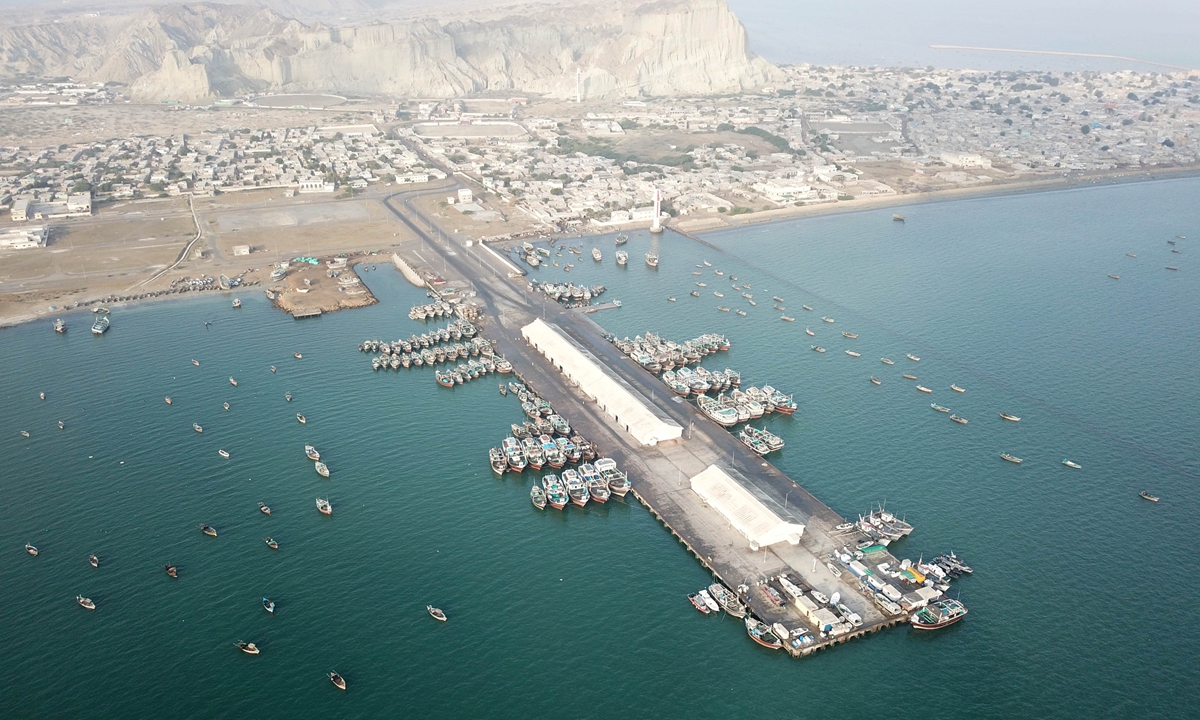
Nestled along the Arabian Sea in Pakistan’s southwestern province of Balochistan, Gwadar Port stands as a symbol of economic potential and strategic significance. Often dubbed the “Crown Jewel” of the China-Pakistan Economic Corridor (CPEC), this deep-sea port is not just a commercial hub but a game-changer for regional connectivity, trade, and development.
With its prime location near the Strait of Hormuz—a crucial global oil supply route—Gwadar holds immense promise for Pakistan’s economic future, regional trade, and global maritime connectivity. But what makes Gwadar so important, and how is it shaping Pakistan’s economic landscape? Let’s dive into the details.

A Strategic Location Like No Other
Gwadar’s biggest asset is its location. Sitting at the crossroads of South Asia, the Middle East, and Central Asia, the port is just 600 km from the Strait of Hormuz, through which nearly 20% of the world’s oil supply flows. This makes Gwadar an ideal transit point for international trade, especially for China, landlocked Central Asian states, and even Afghanistan.
Additionally, the port provides Pakistan with an alternative to its congested Karachi and Port Qasim harbors, reducing dependency and ensuring greater trade flexibility. With a natural deep-sea harbor, Gwadar is designed to handle massive cargo ships, giving it a competitive edge over many other regional ports.
Gwadar’s Role in CPEC: The Economic Lifeline
Gwadar Port is a key pillar of the China-Pakistan Economic Corridor (CPEC)—a $62 billion mega-infrastructure project under China’s Belt and Road Initiative (BRI). Through CPEC, China is building highways, railways, and energy projects across Pakistan, with Gwadar as the primary gateway.
For China, Gwadar is a shortcut to the Arabian Sea, allowing it to bypass the long, costly route through the Malacca Strait. For Pakistan, the port offers unparalleled economic benefits, including:
- Increased trade and investment from China and other global partners
- Job creation and economic uplift in Balochistan, one of Pakistan’s least developed regions
- Enhanced infrastructure, including roads, energy projects, and industrial zones
The Gwadar Free Zone, an industrial hub near the port, is expected to attract massive foreign investment, boosting exports and turning the region into a manufacturing and logistics powerhouse.
Economic Impact: Transforming Balochistan and Beyond
The development of Gwadar is not just about trade—it’s about transformation. Balochistan, Pakistan’s largest but most underdeveloped province, stands to gain immensely from Gwadar’s rise.
Employment & Local Development
With CPEC projects in full swing, Gwadar has already created thousands of jobs, from construction workers to logistics experts. The Gwadar Master Plan envisions a smart port city with modern infrastructure, international hotels, an airport, and residential areas.
Additionally, initiatives like the Gwadar University and vocational training institutes aim to equip locals with the skills needed to thrive in this rapidly evolving landscape.
A Boost to Pakistan’s GDP
Experts estimate that once fully operational, Gwadar Port could contribute billions of dollars annually to Pakistan’s economy. Increased transit trade, logistics services, and port fees will provide a steady revenue stream, helping reduce Pakistan’s trade deficit.
Oil & Gas Hub Potential
Given its proximity to Gulf oil-rich nations, Gwadar has the potential to become a regional oil and gas hub. Plans for oil refineries, LNG terminals, and petrochemical industries are already underway, promising even greater economic dividends.
Challenges and Roadblocks
Despite its immense potential, Gwadar faces several challenges that must be addressed for its full-scale success.
Security Concerns
Being in a historically sensitive region, security remains a major issue. Baloch insurgent groups have attacked Chinese projects and workers, raising concerns for investors. However, Pakistan has significantly bolstered security measures, including the establishment of a special security division to protect CPEC-related projects.
Infrastructure Delays
While progress has been made, several infrastructure projects are behind schedule due to bureaucratic hurdles, financing issues, and local resistance. Water and electricity shortages also pose challenges to Gwadar’s rapid development. Addressing these bottlenecks is critical to ensuring sustained growth.
Local Inclusion & Social Uplift
Critics argue that local communities must benefit more from Gwadar’s development. Ensuring that local businesses, fishermen, and small enterprises are integrated into the economic boom will be crucial in making Gwadar’s rise truly inclusive.
The Future: A Global Trade Hub in the Making?
Despite the challenges, Gwadar’s future remains bright. With continuous investment, policy reforms, and infrastructure development, the port has the potential to become one of the most important maritime trade hubs in Asia.
Key Future Prospects
Completion of the Gwadar International Airport to support trade and tourism
Expansion of oil refining and petrochemical industries
Development of smart city infrastructure and luxury tourism
Strengthened connectivity with Central Asian and Middle Eastern markets
If Pakistan can successfully navigate its economic and security challenges, Gwadar Port could emerge as the beating heart of Pakistan’s economic revival and a game-changer for global trade.
Gwadar is more than just a port—it’s Pakistan’s vision for the future. With its strategic location, trade potential, and role in CPEC, it holds the power to reshape Pakistan’s economy, regional trade dynamics, and global maritime commerce.
However, sustained policy focus, security measures, and local empowerment will be essential in ensuring that Gwadar lives up to its full potential. If done right, Gwadar will not only transform Pakistan but also redefine global trade routes for generations to come.