
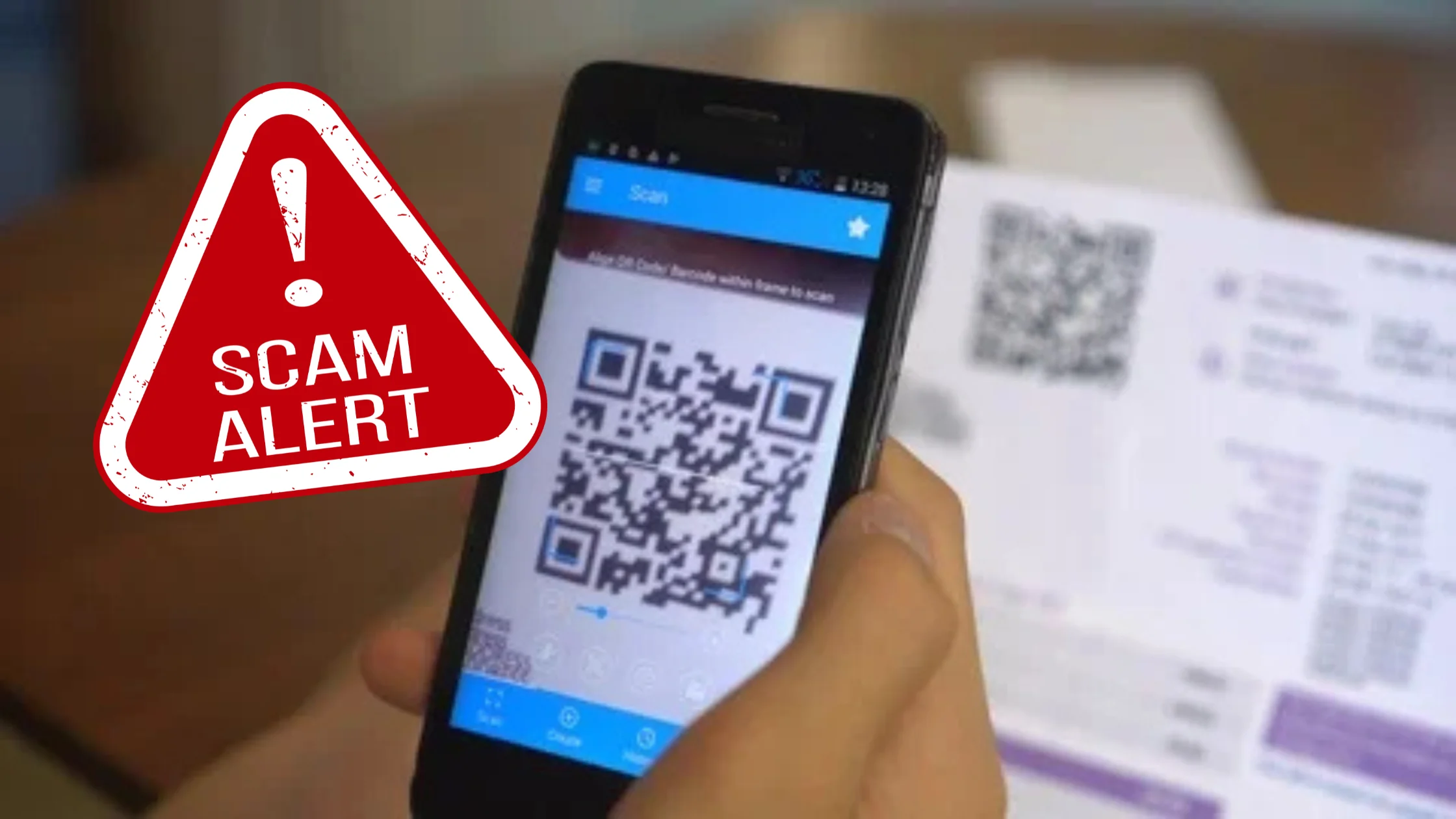
Pakistan’s Power Division has issued a strong public warning about a rising QR code scam targeting electricity consumers, where fake digital links and forged subsidy claims are being used to steal personal and financial information. The alert comes as cyber fraud cases increase across the country, especially involving mobile users and online payment systems.
Officials say scammers are circulating fake QR codes on electricity bills and social media platforms, misleading citizens into believing they are linked with government subsidy programs or bill verification systems. In reality, these codes are designed to collect sensitive data such as identity details, bank information, and mobile wallet access.
How the Fake Electricity Bill QR Code Scam Works
According to the Power Division spokesperson, the fraud typically starts when users are asked to scan a QR code or click a suspicious link claiming to offer electricity bill relief or subsidy registration.
Once the link is opened, users are directed through multiple steps where they are asked to enter personal information such as name, CNIC number, mobile number, and billing details. In the final step, victims are often asked to input a six-digit verification code, which scammers use to gain unauthorized access to accounts.
Officials have clearly stated that this process is completely illegal and has no connection with any government electricity subsidy or billing system in Pakistan. The goal of this scam is to trick users into voluntarily sharing sensitive data.
Pakistani Athlete Masood Khan Completes Historic 810km Run on Karakoram Highway in 9 Days
Government Clarifies Official Electricity Billing System
The Power Division has clarified that electricity bills, subsidy applications, and consumer data updates are never processed through unofficial QR codes, random websites, or third-party forms.
Authorities emphasized that all official electricity-related information is only available through authorized platforms of distribution companies and government departments. Any QR code or link shared outside these official channels should be considered suspicious and potentially dangerous.
The advisory also highlighted that scammers are exploiting public trust by pretending to offer financial relief schemes, especially targeting low and middle-income households struggling with high electricity bills.
Cybercrime Agencies Alerted Over Fraud Network
In response to the growing threat, the Power Division has informed relevant law enforcement agencies and cybercrime authorities about the presence of organized groups involved in spreading fake QR codes.
Officials believe that these scams are not isolated incidents but part of a wider digital fraud network operating through social media, messaging apps, and fake websites.
Investigations are expected to focus on identifying the origin of these QR codes and blocking platforms that are being used to distribute fraudulent content.
Public Urged to Stay Alert and Avoid Sharing Sensitive Data
Authorities across Pakistan have urged citizens to remain extremely cautious when scanning QR codes or clicking unknown links related to electricity bills or subsidy programs.
Consumers have been strongly advised not to share:
- Personal identity information such as CNIC numbers
- Banking details or mobile wallet credentials
- Verification codes sent via SMS
- Utility bill screenshots or account passwords
Officials emphasized that no legitimate government program will ever ask for sensitive verification codes through unknown platforms or unsolicited messages.
Rising Digital Fraud Concerns in Pakistan
The warning comes at a time when Pakistan is experiencing a rapid rise in digital financial services, including mobile banking and online bill payments. While these systems have made transactions easier, they have also created opportunities for cybercriminals.
Experts say that scammers are increasingly using social engineering tactics, where users are tricked into voluntarily sharing information rather than being hacked directly. This makes such frauds harder to detect and prevent.
The Power Division has reiterated that awareness is the first line of defense and encouraged citizens to verify all information through official government websites and helplines before taking any action.
Conclusion
The fake QR code scam on electricity bills highlights the growing challenge of cybercrime in Pakistan’s digital economy. While authorities continue to strengthen cybersecurity measures, public awareness remains crucial.
Citizens are strongly advised to avoid scanning unknown QR codes and to rely only on verified government sources for electricity bill information, subsidies, and payment updates. Staying alert can prevent financial loss and protect personal data from falling into the wrong hands.