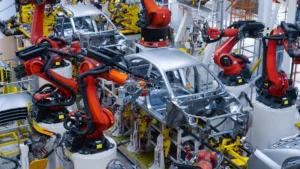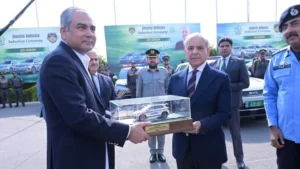

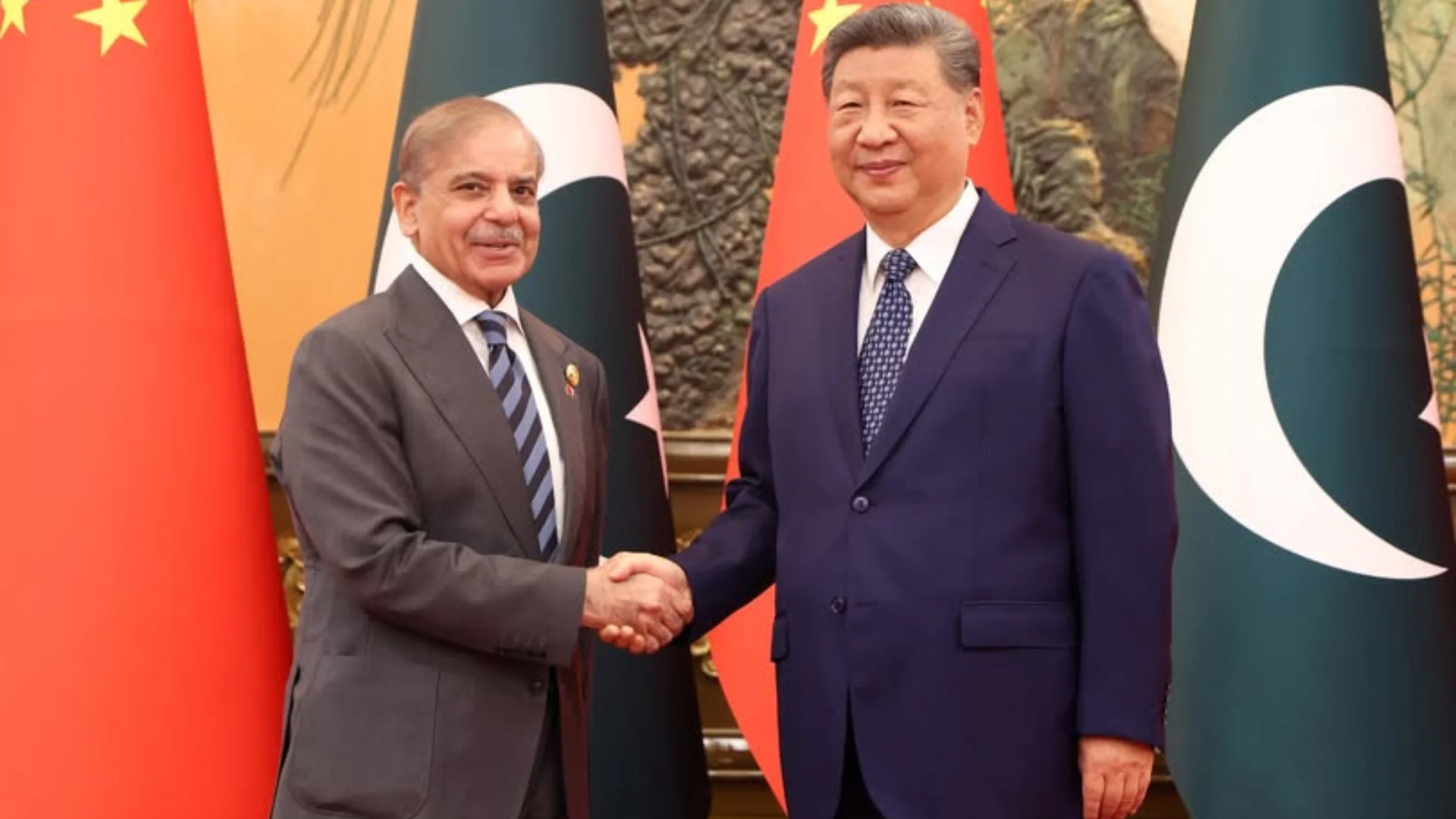
In a major diplomatic push to kickstart the next era of regional development, Prime Minister Shehbaz Sharif successfully concluded a high-stakes, four-day official visit to China from May 23 to 26, 2026. Undertaken at the invitation of Chinese Premier Li Qiang, the visit served a critical dual purpose: celebrating 75 years of unbreakable diplomatic relations and locking in the strategic roadmap for CPEC 2.0 (Phase II of the China-Pakistan Economic Corridor).
The trip successfully bridged high-level political solidarity with concrete corporate deals, signaling a transition from heavy infrastructure development to advanced technological, digital, and agricultural integration.
The Diplomatic Itinerary: From Tech Hubs to the Political Heart
The Prime Minister’s itinerary was strategically split into distinct economic and political phases, maximizing engagement with both industrial giants and state leadership.
1. The Economic Launchpad: Hangzhou & Jiangsu
Breaking away from traditional diplomatic protocol, the visit commenced in Hangzhou (Zhejiang province) and extended into Jiangsu province—the beating hearts of China’s digital economy and modern industrial complex.
By grounding the first leg of the trip in these economic powerhouses, PM Sharif sent a clear signal to international observers: Pakistan’s primary focus is now centered on trade, technology transfers, and private sector business-to-business (B2B) partnerships.
2. The Strategic Core: Beijing
The second leg of the journey took the Pakistani delegation to Beijing for crucial state-level meetings. The timing was highly symbolic, as both nations marked their 75th anniversary of diplomatic ties, reinforcing their unique status as “All-Weather Strategic Cooperative Partners” who consistently support one another across shifting geopolitical landscapes.
Key Highlights and Major Achievements
The four-day visit yielded substantial breakthroughs across financial, corporate, and technological domains.
High-Level Leadership Talks
PM Sharif engaged in comprehensive, one-on-one strategic talks with Chinese President Xi Jinping and Premier Li Qiang. The leaders reaffirmed their commitment to regional stability and the safe, accelerated implementation of CPEC projects. President Xi emphasized that China views its relationship with Pakistan as a baseline priority in its regional foreign policy, promising continued support for Pakistan’s economic stabilization.
The Pakistan-China B2B Investment Conference
While in Hangzhou, the Prime Minister chaired a massive B2B investment forum designed to connect Pakistani entrepreneurs directly with Chinese capital and expertise. The conference zeroed in on three transformative pillars:
-
Information Technology: Establishing joint ventures to upgrade Pakistan’s digital architecture.
-
Battery Energy Storage Systems (BESS): Laying the groundwork for localized green energy storage solutions to stabilize Pakistan’s national grid.
-
Modern Agriculture: Introducing Chinese seed technology, corporate farming practices, and cold-chain logistics to maximize crop yields and boost export capacity.
Corporate Engagements & The Virtual Assets Push
In a bid to attract top-tier tech investments, PM Sharif visited the global headquarters of the Alibaba Group, inviting the e-commerce giant to deeply expand its digital footprint and logistical operations within Pakistan.
Fast-Tracking Digital Governance: In a highly significant side-meeting with digital economy expert Bilal bin Saqib, PM Shehbaz Sharif issued immediate executive orders to fast-track the establishment of a Virtual Assets Regulatory System. This regulatory framework is designed to formally secure, organize, and open up Pakistan’s digital asset economy to international tech investments.
Bilateral Accords: What Agreements Were Signed?
To formalize the progress made during the high-level dialogues, delegates from Islamabad and Beijing penned a series of comprehensive memoranda of understanding (MoUs) and bilateral accords:
| Policy Sector | Primary Strategic Focus | Expected Outcomes |
| CPEC 2.0 & Economy | Upgrading industrial zones, manufacturing, and transport infrastructure. | Relocation of Chinese industries to Pakistani Special Economic Zones (SEZs). |
| Technology & IT | Digital skill-building, cloud infrastructure, and regulatory systems. | Fast-tracked virtual asset frameworks and expanded e-commerce operations. |
| Agriculture & Food Security | Crop yield enhancement, pest control, and processing tech. | Increased export of Pakistani agricultural goods to Chinese consumer markets. |
| Climate Change & Green Energy | Joint environmental initiatives and battery storage investments. | Reduced reliance on fossil fuels through localized BESS assembly. |
| Counterterrorism & Security | Upgraded intelligence sharing and joint security protocols. | Ironclad protection frameworks for Chinese nationals and working projects in Pakistan. |
Looking Ahead: The Reality of CPEC 2.0
As Prime Minister Shehbaz Sharif wrapped up his visit on May 26, the baseline takeaway for Pakistan’s economic future became incredibly clear: CPEC Phase II will not look like Phase I.
While the first phase of the corridor successfully focused on building the heavy foundational grid—constructing highways, deep-sea ports, and mega-power plants—CPEC 2.0 is entirely about human capital, optimization, and software. By anchoring this trip in tech-centric provinces like Jiangsu and Zhejiang, Pakistan has officially signaled its intent to pivot toward an export-led, digitally integrated economy.
The success of this visit will now depend heavily on how quickly Islamabad can execute its newly promised regulatory frameworks—particularly the virtual asset laws—and create a friction-free environment for the Chinese corporate giants eager to invest.