
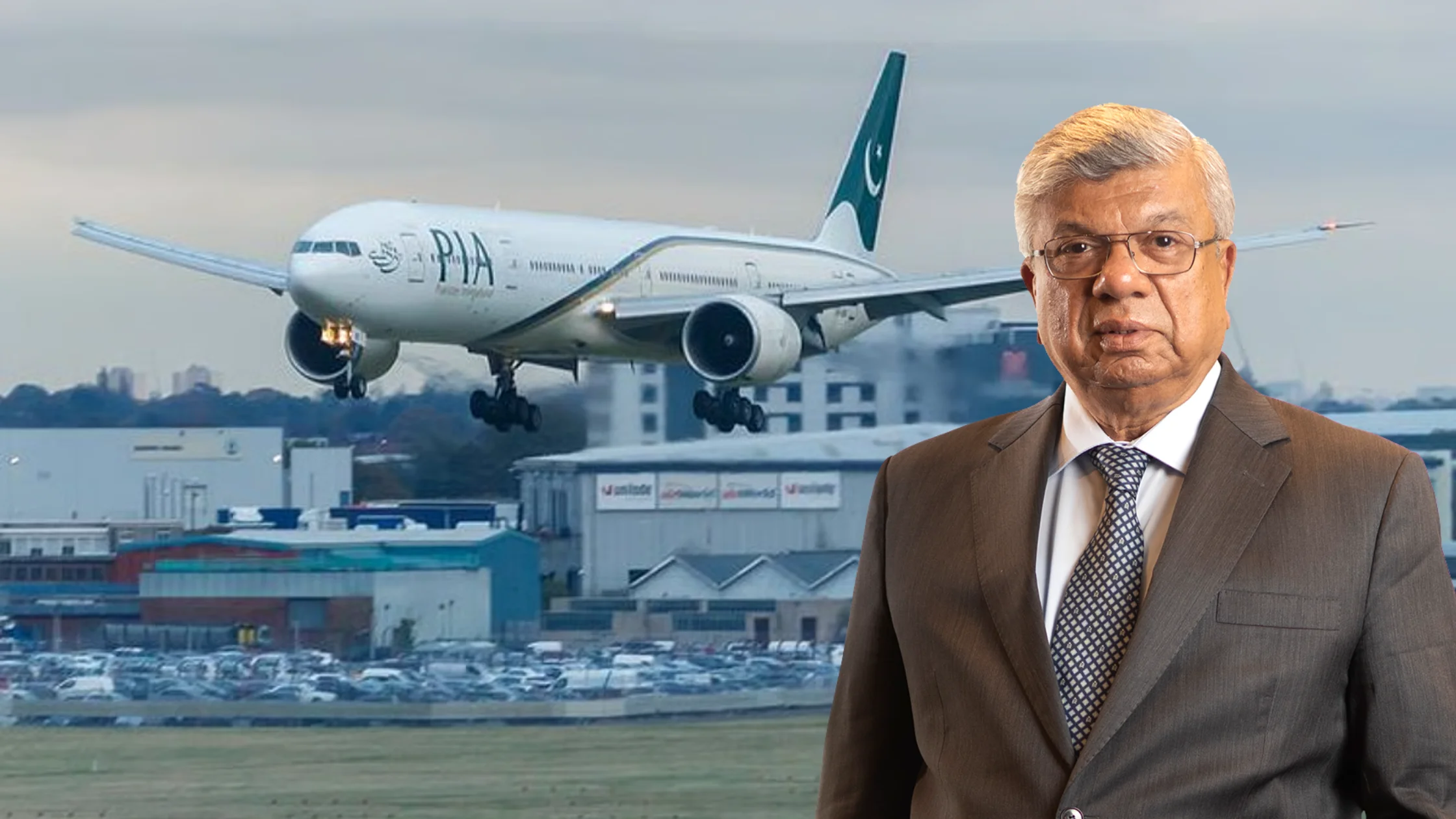
In a landmark move set to redefine Pakistan’s aviation landscape, the Arif Habib Consortium has successfully acquired a 75% stake in Pakistan International Airlines (PIA) for a staggering Rs. 135 billion. This monumental transaction marks the end of the national carrier’s decades-long government ownership and heralds a new era of private-sector management aimed at revitalizing the beleaguered airline.
The consortium, which includes a strategic partnership with the Fauji Foundation, emerged victorious after a competitive bidding process, narrowly outbidding the rival Lucky Consortium, which offered Rs. 134 billion. The government, retaining a 25% share, has announced plans to reinvest 92.5% of the proceeds directly back into PIA. This capital injection is earmarked for overhauling operations, modernizing the fleet, and drastically improving service quality—a comprehensive effort to restore the airline’s former glory and financial health.
A “Once-in-a-Lifetime” National Project
Arif Habib, the consortium’s lead, emphasized the profound national significance of this acquisition. He described the privatization as a “once-in-a-lifetime opportunity” that the group was determined not to let slip away. “We know that this is a national project,” Habib stated, underscoring the consortium’s sense of responsibility. He revealed that the bid was the result of meticulous evaluation, noting, “We evaluated this project thoroughly before deciding to bid. We didn’t want this project to go out of our hands.”
This sentiment highlights the consortium’s view of PIA not merely as a commercial asset but as a vital piece of national infrastructure requiring patriotic stewardship and strategic investment.
PIA Records Rs 26.2 Billion Net Profit After 21 Years, Marks Major Turnaround
PIA Recruitment 2025: New Opportunities as Airline Prepares for Global Expansion
PIA Audit Exposes Rs9 Billion Losses from Free and Discounted Tickets
PIA Resumes Flights to UK After 5-Year Ban Over Fake Pilot License Scandal
Blueprint for Revival: Service, Fleet, and Attitude
The new owners have presented a clear, phased plan focused on immediate, visible improvements. According to Arif Habib, the initial focus will be on enhancing the passenger experience from the ground up.
1. Operational and Aesthetic Overhaul: The first order of business includes modifying check-in counters to streamline processes, redesigning cabin uniforms to reflect a refreshed brand identity, and undertaking a comprehensive maintenance program for the existing fleet to ensure safety and reliability.
2. Cultural Transformation: A major pillar of the revival strategy targets crew attitude and service standards. Habib pointedly mentioned that the consortium will “focus on crew attitude and services,” indicating a top-down initiative to instill a culture of hospitality, professionalism, and pride. This human-centric approach is critical for rebuilding passenger trust and competing in the international market.
3. Strategic Reinvestment: The government’s planned reinvestment of the majority of the sale proceeds provides the necessary financial backbone for these ambitious plans. This funding is expected to support long-grounded aircraft’s return to service, explore lease options for new fuel-efficient planes, and upgrade critical IT and operational systems.
Implications for Pakistan’s Economy and Aviation Sector
The successful privatization is a significant achievement for the government’s reform agenda, signaling to international investors a commitment to deregulation and private-sector-led growth. For Pakistan’s economy, it alleviates the massive financial burden of annual bailouts and subsidies that PIA demanded, freeing up public funds for other developmental projects.
For the aviation sector, a efficiently run, competitive PIA can stimulate tourism, improve connectivity, and create positive ripple effects across related industries like hospitality and trade. It also sets a precedent for the privatization of other state-owned enterprises (SOEs).
Conclusion
The acquisition of PIA by the Arif Habib Consortium is more than a financial transaction; it is a national project infused with a promise of renewal. By combining strategic capital, operational expertise, and a focused plan on service excellence, the consortium aims to steer PIA back to profitability and prestige. The nation now watches, hoping this historic privatization will be the catalyst that finally allows Pakistan’s flagship carrier to soar again.
Frequently Asked Questions (FAQs)
1. How much of PIA was sold, and for what price?
A 75% controlling stake in Pakistan International Airlines (PIA) was sold to the Arif Habib Consortium for Rs. 135 billion.
2. Who is in the Arif Habib Consortium?
The consortium is led by businessman Arif Habib and includes a strategic partnership with the Fauji Foundation, a major Pakistani corporate conglomerate.
3. What will the government do with the money from the sale?
The government plans to reinvest 92.5% of the proceeds (approximately Rs. 124.8 billion) back into PIA to fund its operational revival, fleet modernization, and service enhancement.
4. What are the new owners’ immediate plans for PIA?
Their immediate focus is on improving passenger experience through better fleet maintenance, modernizing check-in counters, redesigning cabin crew uniforms, and implementing rigorous training to uplift crew attitude and service standards.