
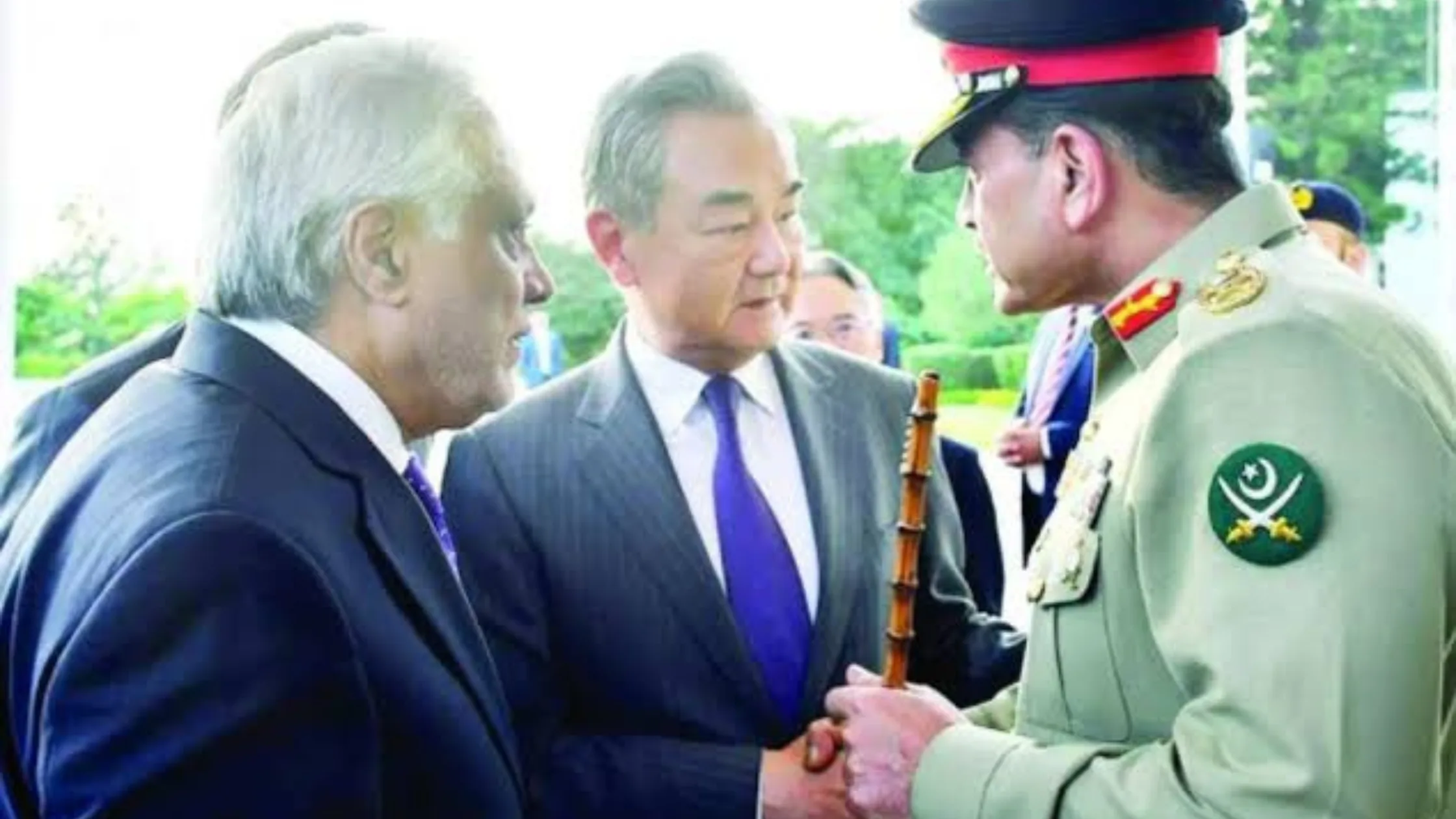
China and Pakistan have taken another major step in their long-standing friendship by officially launching Phase 2 of the China-Pakistan Economic Corridor (CPEC). This new phase aims to bring industrial growth, modern agriculture, mineral development, and further progress at the Gwadar Port.
The project is not just about infrastructure—it is designed to create long-term opportunities for both nations. So far, CPEC has already fueled a strong $23 billion trade relationship between China and Pakistan. It has also created more than 236,000 jobs for Pakistani citizens, directly supporting families and boosting the economy.
China’s Gold ATM: Turn Jewelry into Cash
Phase 2 of CPEC is expected to focus on building industrial zones, upgrading farming techniques, and tapping into Pakistan’s rich mineral resources. Gwadar Port, the centerpiece of the project, will continue to grow as a hub for international trade and regional connectivity.
Officials from both countries believe that this stage will mark a new era of shared prosperity, strengthening not only economic ties but also cultural and social bonds between the two nations. With these developments, Pakistan hopes to attract more investment, improve exports, and create even more jobs in the coming years.
FAQs about CPEC Phase 2
1. What is CPEC Phase 2?
It is the second stage of the China-Pakistan Economic Corridor, focusing on industries, agriculture, minerals, and Gwadar Port.
2. How much trade does CPEC currently support?
CPEC has helped boost bilateral trade to $23 billion between China and Pakistan.
3. How many jobs has CPEC created in Pakistan?
More than 236,000 jobs have been created so far for Pakistani citizens.
4. Why is Gwadar Port important in CPEC?
Gwadar is a key trade hub that connects Pakistan with international markets and boosts regional connectivity.
5. What benefits will Phase 2 bring to Pakistan?
It is expected to create jobs, modernize farming, develop industries, and unlock Pakistan’s mineral wealth for economic growth.