
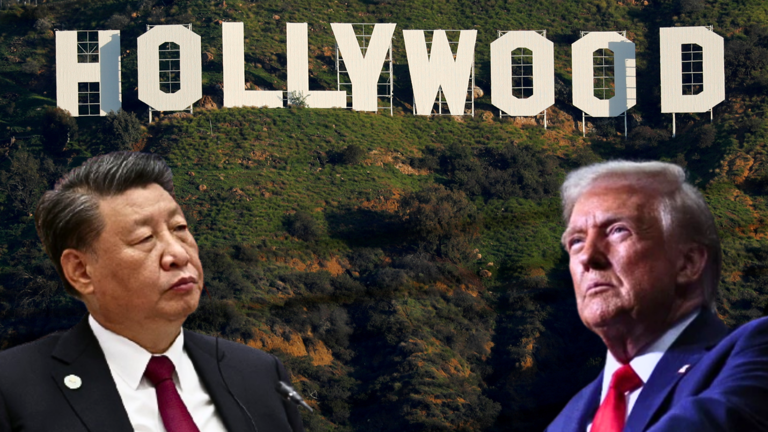
In a significant escalation of the US-China trade tensions, Beijing has announced new restrictions on Hollywood film imports, dealing a heavy blow to the American entertainment industry. The move comes as part of China’s retaliatory measures against recent US tariffs.
Key Developments:
China’s National Film Administration has declared it will reduce the number of Hollywood films allowed for release in Chinese theaters. For over 30 years, China had maintained an annual quota of about 34 foreign films, with Hollywood blockbusters dominating this allocation. The new restrictions will significantly cut this number, though exact figures remain unspecified.
Background of the Conflict:
The film industry has become collateral damage in the ongoing trade war that began during the Trump administration. Currently, the US imposes 145% tariffs on certain Chinese goods, while China has countered with 125% tariffs on American products. The new film restrictions represent an additional pressure tactic targeting America’s influential cultural exports.
Potential Impact:
Financial Losses: China is Hollywood’s largest overseas market, generating billions in revenue annually
Content Changes: Studios may alter films to appease Chinese censors
Market Shift: The move could accelerate China’s development of its domestic film industry
Industry Reaction:
Hollywood executives have expressed alarm at the announcement, with major studios reportedly scrambling to assess the potential damage. The restrictions come at a particularly sensitive time as the global film industry struggles to recover from pandemic-related losses.
Broader Implications:
This development highlights how cultural products have become weapons in modern economic conflicts. As the world’s two largest economies continue their standoff, the entertainment industry finds itself caught in the crossfire, with potentially lasting consequences for global media consumption patterns.
Analysts suggest this move may prompt Hollywood to reconsider its growing reliance on the Chinese market, even as it pushes Chinese authorities to further develop their domestic film production capabilities. The long-term effects on international cultural exchange remain uncertain as geopolitical tensions reshape entertainment industry dynamics.