
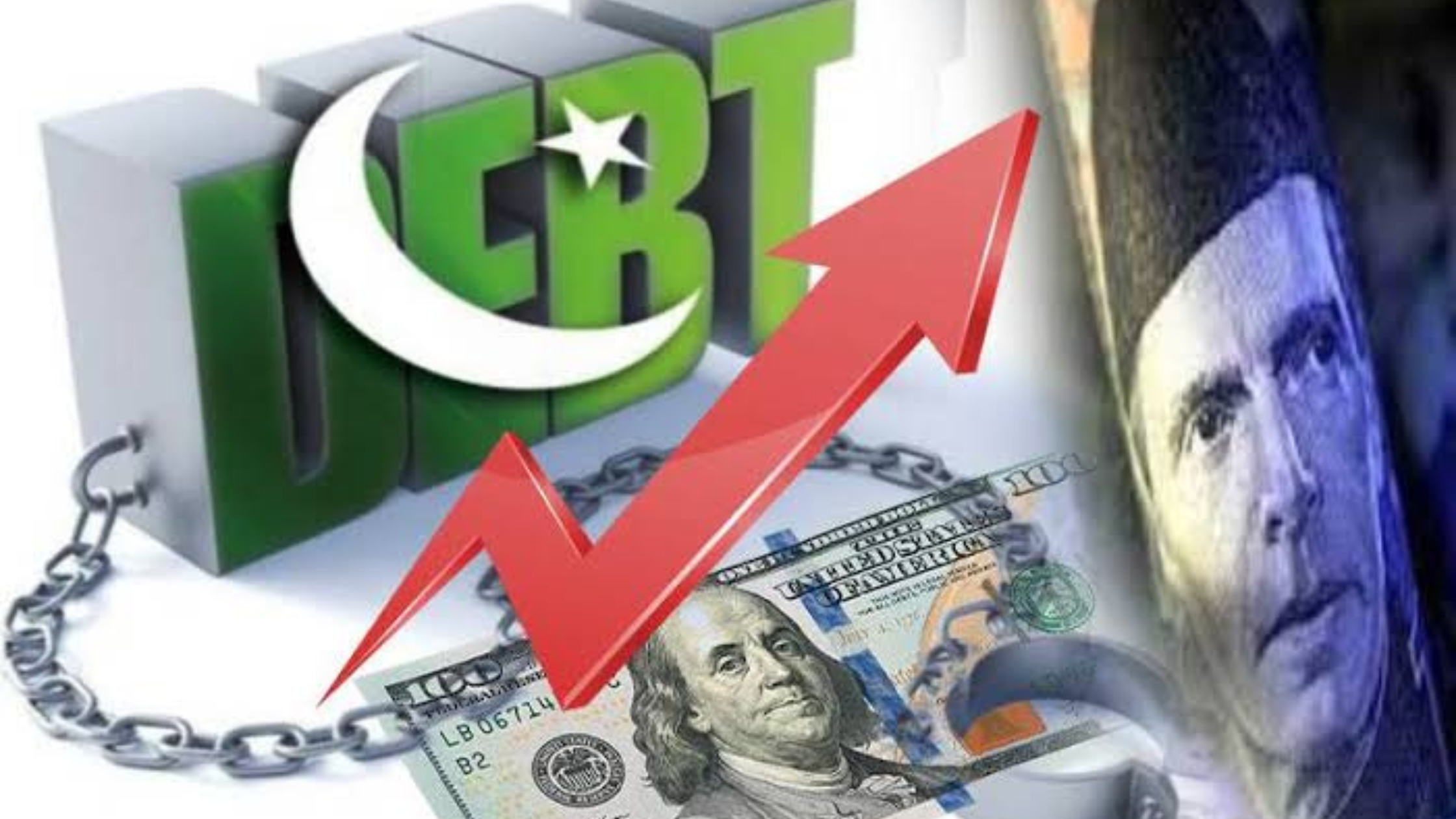
The Pakistani government has taken a crucial step to stabilize the country’s economy by securing $1 billion in commercial loans from UAE-based banks. This strategic move comes as Pakistan works to meet the IMF’s requirement of maintaining foreign exchange reserves at $13.9 billion by June 30. The funds from Sharjah Islamic Bank, Abu Dhabi Islamic Bank, and Ajman Bank will provide immediate liquidity to the State Bank of Pakistan, helping to shore up the nation’s financial position during challenging economic times.
This borrowing forms part of Pakistan’s broader efforts to fulfill its commitments under the IMF program while addressing pressing balance-of-payments needs. The injection of $1 billion into the foreign exchange reserves is expected to bolster investor confidence and support the stability of the Pakistani rupee. However, experts emphasize that such commercial borrowing represents a short-term solution, with long-term economic stability dependent on structural reforms and sustainable fiscal policies.
What is the Rank of Field Marshal? Pakistan Promotes Army Chief to Highest Military Honor
The government’s decision reflects the delicate balancing act between meeting immediate financial obligations and managing the country’s growing debt burden. While these funds will provide temporary relief, policymakers continue to face the challenge of reducing reliance on external borrowing while stimulating export growth and attracting foreign investment. The success of these measures will be critical in determining Pakistan’s economic trajectory in the coming months.
FAQs
Why is Pakistan borrowing from UAE banks instead of the IMF?
While the IMF provides long-term bailout packages, commercial loans offer quicker liquidity. The UAE banks’ Islamic financing options also align with Pakistan’s preference for Sharia-compliant borrowing.
Will this loan increase Pakistan’s debt burden?
Yes, Pakistan’s external debt will rise, but the immediate priority is stabilizing forex reserves to avoid a balance-of-payments crisis.
What are the IMF’s conditions for Pakistan?
The IMF requires Pakistan to maintain sufficient forex reserves, implement tax reforms, and reduce fiscal deficits to qualify for further loan tranches.
How will this impact the economy?
The loan will provide short-term relief, but long-term stability depends on export growth, remittance inflows, and reduced reliance on borrowing.