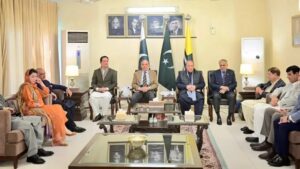
In a remarkable gesture of compassion and responsibility, Javed Afridi, CEO of Haier Pakistan, has pledged 100 job vacancies exclusively for families affected by the destructive floods that recently struck Buner, Khyber Pakhtunkhwa.
The floods caused widespread damage, sweeping away homes, crops, and businesses, leaving many without a source of income. Recognizing the urgent need for sustainable support, Afridi’s initiative goes beyond immediate relief by focusing on long-term employment opportunities.
Flood Devastates Education Sector in KPK: 61 Schools Destroyed, 414 Damaged
Speaking about the decision, Afridi highlighted that providing jobs ensures stability and dignity for survivors who are struggling to rebuild their lives. “Real help means creating opportunities that allow families to stand on their own feet again,” he said.
The newly created positions within Haier Pakistan are expected to provide steady income to dozens of households, easing financial burdens while helping them reintegrate into society. For many families in Buner, this announcement has been welcomed as a ray of hope after weeks of hardship.
Observers see this move as a strong example of how corporations can contribute to disaster recovery and community empowerment. Rather than limiting support to food or shelter, Haier’s approach directly addresses the economic void left behind by natural disasters.
The announcement has also sparked praise on social media, with users commending Afridi’s leadership and calling for other companies to adopt similar corporate social responsibility (CSR) initiatives. Experts suggest that if more businesses follow suit, the private sector could become a powerful partner in tackling the aftermath of climate-related disasters in Pakistan.
Haier Pakistan’s initiative may be small in numbers, but its impact on affected families could be long-lasting—providing not just jobs, but also renewed confidence and the chance to rebuild with dignity.
FAQs
1. What has Javed Afridi announced?
He announced 100 job opportunities for families impacted by floods in Buner.
2. Why were these jobs created?
To provide sustainable livelihoods for flood victims who lost their homes and income.
3. How is this initiative different from traditional aid?
Instead of short-term relief, it offers long-term employment and empowerment.
4. Who will benefit from this program?
Families in Buner, Khyber Pakhtunkhwa, affected by the recent floods.
5. What wider impact could this have?
It sets an example for other companies to use CSR for disaster recovery and social uplift.