

Hajj is not just a physical pilgrimage; it’s a spiritual transformation. Every year, millions of Muslims from all over the world gather in Makkah to fulfill this sacred duty. It’s a once-in-a-lifetime journey for many, full of reflection, worship, and deep connection with Allah. If you’re preparing for Hajj or simply want to understand the process better, here’s a clear day-by-day breakdown of what the experience looks like.
8th Dhul-Hijjah – Mina
Ihram, the Journey Begins, Prayers and Rest
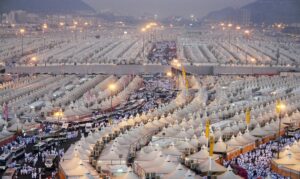
The Hajj begins on the 8th of Dhul-Hijjah, a day known as Yawm at-Tarwiyah. Pilgrims enter the state of Ihram from the Miqat – the designated boundary. In this state of purity, pilgrims wear special garments and make the intention for Hajj, reciting the powerful words:
“Labbayk Allahumma Labbayk…”
(Here I am, O Allah, here I am.)
From here, they travel to Mina, a tent city located around 8 km from Makkah. Once there, pilgrims spend the day and night in worship, reflection, and prayer. The five daily prayers are performed on time, with the four-unit prayers shortened to two units (Qasr), but not combined.
9th Dhul-Hijjah – Arafat
The Day of Arafah – The Heart of Hajj
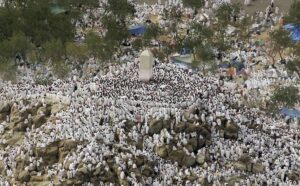
This is the most spiritually intense day of Hajj the Day of Arafah. After Fajr prayer, pilgrims leave Mina and head to Arafat, where they will stay from noon until sunset. This is called Wuquf, and it’s the pinnacle of Hajj.
Here, pilgrims gather in prayer and supplication, seeking forgiveness and mercy from Allah. It is a powerful scene – millions standing shoulder to shoulder, hands raised, hearts open.
After sunset, without praying Maghrib, pilgrims leave Arafat for Muzdalifah. There, they pray Maghrib and Isha combined and shortened, rest under the open sky, and collect small pebbles for the stoning ritual the next day.
Night of 10th Dhul-Hijjah – Muzdalifah

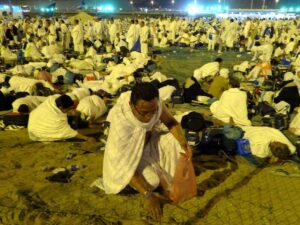
A Peaceful Night Under the Stars
In Muzdalifah, pilgrims sleep under the sky in a state of spiritual peace. The cool desert night is filled with silent prayers. After performing Fajr prayer, they continue to gather pebbles (49 or 70 in total) and then begin the next part of the journey – returning to Mina.
10th Dhul-Hijjah – Eid Day
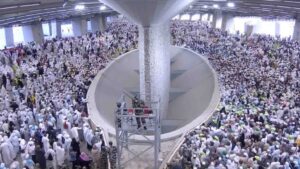
The Day of Sacrifice – Action, Gratitude, and Renewal
This day is known as Yawm an-Nahr, and it coincides with Eid al-Adha. It is the busiest day of Hajj, involving four major rituals:
- Stoning (Ramy al-Jamrah al-Aqabah) – Pilgrims throw 7 pebbles at the largest pillar, symbolizing the rejection of Shaytan (Satan).
- Animal Sacrifice (Qurbani) – A sheep, goat, or cow is sacrificed, remembering the devotion of Prophet Ibrahim (AS).
- Shaving or Trimming Hair (Halq or Taqsir) – Men either shave or trim their hair; women cut a small portion. This marks a symbolic renewal.
- Tawaf al-Ifadah and Sa’i Pilgrims return to Makkah to perform the circumambulation of the Kaaba (Tawaf) and walk between Safa and Marwah (Sa’i).
After these, most restrictions of Ihram are lifted, and pilgrims can change into regular clothes.
11th Dhul-Hijjah – First Day of Tashreeq
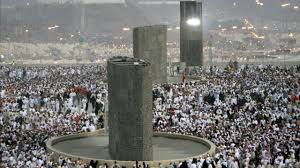
Continued Worship and Stoning the Three Jamarat
The next three days are called Ayyam at-Tashreeq, where the main ritual is the stoning of the three pillars (Jamarat). After Dhuhr, pilgrims go to Mina to throw seven pebbles at each of the three Jamarat:
Uruguayan Luis Abi Rachid Realizes 20-Year Dream with Hajj Journey to Makkah
- Jamrat al-Sughra (small),
- Jamrat al-Wusta (middle),
- Jamrat al-Kubra (large/‘Aqabah).
Each stone is thrown while saying “Allahu Akbar”, reflecting a firm stand against temptation and evil. The night is spent again in Mina, in reflection and prayer.
12th Dhul-Hijjah – Second Day of Tashreeq
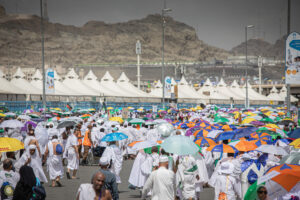
Optional Departure or Continued Stay
On the second day of Tashreeq, the stoning ritual is repeated exactly like the day before. After completing the stoning, pilgrims have the option to leave Mina before sunset if they wish – this is called Ta’jil (early departure). However, many choose to stay for one more day.
13th Dhul-Hijjah – Final Day of Hajj
The Last Stoning and Farewell
For those who stayed, this is the final day of Hajj. Pilgrims once again perform the stoning of all three Jamarat, concluding their time in Mina.
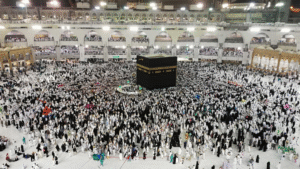
Afterward, they return to Makkah and perform the Farewell Tawaf (Tawaf al-Wada’), circling the Kaaba one last time before departing. It’s a bittersweet moment hearts full of gratitude, eyes filled with tears, and souls deeply touched.
“And proclaim to the people the Hajj…” – (Qur’an 22:27)
Final Thoughts
Hajj is more than a journey across miles it’s a journey within. From the moment you enter Ihram to the final Tawaf, every act is filled with purpose, meaning, and the hope of returning home renewed, forgiven, and closer to Allah.
May all those who intend to perform Hajj be granted the opportunity, and may it be accepted a Hajj Mabroor.