

Each year, as temperatures drop in Lahore, a thick blanket of smog seems to settle over the city. The bustling metropolis turns hazy, and the crisp air is replaced with a choking, gray mist. Smog season has unfortunately become a yearly phenomenon, causing severe health issues and making daily life difficult. But the story doesn’t end there—Pakistan is also seeing a rise in passionate climate activism, especially among the youth, determined to clear the air and bring back blue skies to Lahore. Here’s how these change-makers are stepping up to make a difference, and why there’s hope on the horizon for Pakistan’s environmental future.
Understanding Lahore’s Smog Problem
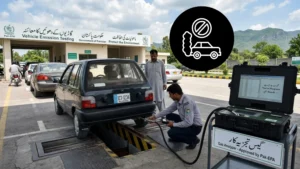
Lahore’s smog is caused by a combination of factors: vehicle emissions, industrial smoke, crop burning, and seasonal weather patterns. Each of these releases particulate matter and pollutants into the air, which, under specific winter conditions, get trapped near the ground, leading to hazardous air quality levels. Every year, this phenomenon affects thousands of Lahoris, causing respiratory problems, eye irritation, and fatigue, especially among children and the elderly. But while the situation is challenging, it’s inspiring to see that Pakistan’s climate activists are rising to address it.
A New Generation of Environmental Advocates
Across Pakistan, climate awareness is growing, driven by passionate activists and organizations focused on environmental sustainability. From students to scientists, a diverse and motivated group is committed to tackling Lahore’s smog. These individuals and groups recognize that Lahore’s air quality issues are not merely environmental but are tied to public health and economic productivity.
One of the key players in this battle is the Pakistan Clean Air Network (PCAN), a youth-led organization that’s been advocating for stringent air quality regulations. Through workshops, awareness campaigns, and community mobilization, PCAN has been educating people about the dangers of smog and the importance of clean air. They’re pushing for policies that limit emissions from vehicles and industrial sources, as well as encouraging sustainable practices in agriculture to reduce crop-burning incidents.
Technological Innovations for Cleaner Air
Some activists have been collaborating with tech enthusiasts and engineers to develop innovations that tackle pollution. Eco Tech Pakistan, for instance, has been working on low-cost air purifiers and air quality monitoring devices that individuals and small businesses can use to monitor the air quality around them. These devices help people understand their local air pollution levels and take immediate precautions, like using masks and avoiding outdoor activities during peak pollution hours.
Another promising initiative is the push for electric vehicles (EVs). Lahore has seen a rise in interest in EV technology, with climate activists advocating for government subsidies and incentives for EV ownership to reduce vehicular emissions. Schools, too, are joining in, with some now integrating eco-friendly curricula that teach students about sustainable transportation options.
A Greener Lahore: Tree-Planting and Urban Forests
Trees act as natural air purifiers, and planting more of them is a vital part of Lahore’s smog-fighting strategy. Inspired by Pakistan’s nationwide Billion Tree Tsunami initiative, environmental groups in Lahore have started smaller, community-driven tree-planting campaigns to create urban green spaces. The idea is simple but powerful: more trees mean cleaner air and cooler urban temperatures.
Organizations like Urban Forest Lahore are implementing the Miyawaki technique, which involves planting dense clusters of native trees that grow rapidly and require minimal maintenance. These green pockets around the city are not only helping to reduce air pollution but also promoting biodiversity and adding much-needed greenery to Lahore’s urban landscape.
Policy Advocacy and Government Partnerships
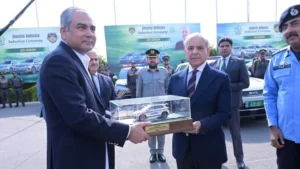
While grassroots activism plays a significant role, policy change is essential for long-term impact. Recognizing this, climate activists are also working closely with local government bodies. Groups like Lahore Climate Action have been instrumental in advocating for strict pollution controls, such as emission standards for factories and incentives for businesses that adopt eco-friendly practices. Recently, there have been promising dialogues between activists and policymakers, leading to increased funding for public transportation projects aimed at reducing vehicle emissions.
The government has also shown responsiveness by imposing restrictions on crop burning and introducing a Smog Emergency Action Plan, including early school closures during periods of severe smog. While challenges remain, these policy shifts are proof of Pakistan’s growing commitment to tackling air pollution with the support of local climate advocates.
Why There’s Hope for a Cleaner, Greener Pakistan
Pakistan’s journey to cleaner air and a healthier environment may still be in its early stages, but the progress is undeniable. Lahore’s climate activists are showing that change is possible through commitment, creativity, and collaboration. By pushing for greener technology, advocating for policy reform, and educating the public, they’re not only battling smog but also setting a positive example for other cities across the country.
The spirit of environmental activism in Lahore reflects a broader, more hopeful trend in Pakistan—a move towards sustainable development that prioritizes both the planet and its people. As more individuals and organizations join this fight, there’s a growing belief that, with the right actions and policies, Lahore’s smog problem can be overcome. And in the process, Pakistan is sending a powerful message to the world: that it’s ready to protect its natural heritage and ensure a healthier future for generations to come.