
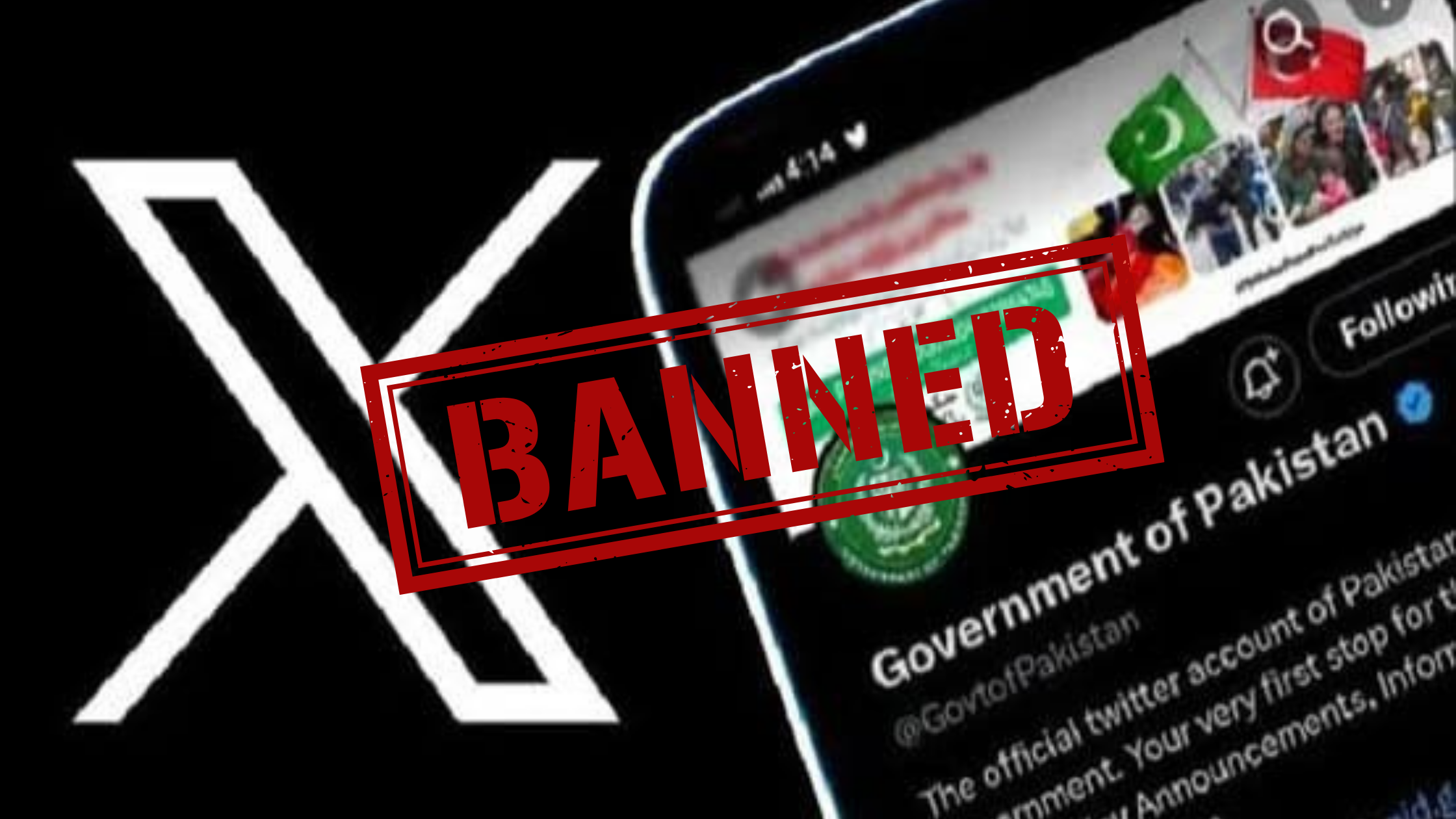
India has taken the unprecedented step of blocking the official X account of the Pakistani government within its borders, marking a significant escalation in digital diplomacy between the two nuclear-armed neighbors. The move comes in direct response to recent tensions following the Pahalgam incident in Indian-administered Kashmir, where Indian authorities claim Pakistan’s social media posts contained “inflammatory content.” This digital blockade effectively cuts off a key communication channel between the Pakistani government and Indian audiences, raising serious concerns about freedom of information and the weaponization of social media platforms in international disputes. The action represents a new frontier in the long-standing India-Pakistan conflict, where digital platforms are increasingly becoming battlegrounds for information control and geopolitical influence.
India vs Pakistan Military Strength 2025: Who Holds the Edge?
The decision to block the Official X Account was implemented without warning or transparent due process, highlighting the growing trend of governments using technology as a tool of foreign policy. Digital rights activists have condemned the move as an overreach that sets a dangerous precedent for internet freedom, while security analysts view it as part of India’s broader strategy to control narratives surrounding the sensitive Kashmir issue. The block Official X Account affects millions of Indian users who previously had access to Pakistan’s official statements and perspectives, potentially creating an information vacuum that could be filled with misinformation. This development comes amid reports of increased cyber operations between the two nations, with both sides allegedly engaging in digital espionage and influence campaigns.
The implications of this Official X Account blockade extend beyond the immediate India-Pakistan conflict, raising important questions about the role of social media companies in geopolitical disputes. As governments increasingly turn to platform restrictions as a form of diplomatic pressure, the incident underscores the need for clearer international norms governing digital diplomacy and the responsibilities of tech companies in such conflicts. Meanwhile, the Pakistani government has reportedly begun exploring alternative communication channels, including encrypted platforms and direct diplomatic cables, to circumvent the restriction. This digital standoff represents just the latest chapter in the complex relationship between the two South Asian nations, where even cyberspace has become contested territory in their ongoing rivalry.