
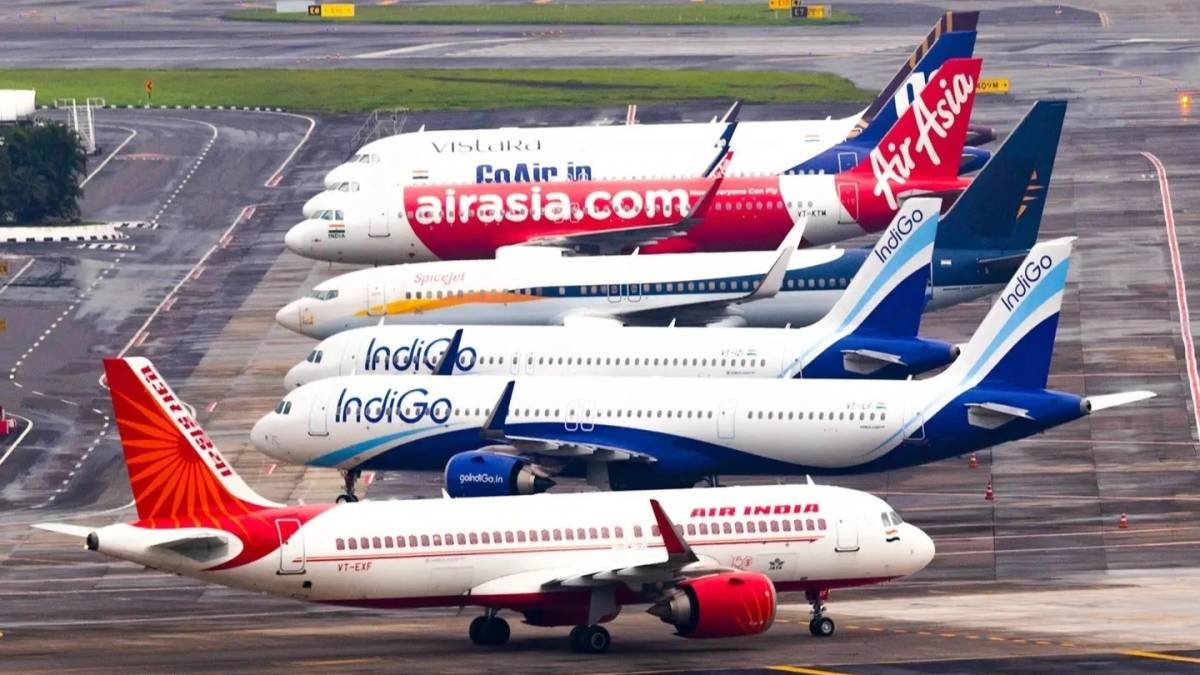
The continued shutdown of Pakistani airspace to Indian Airlines has created a full-blown crisis for India’s aviation industry, with staggering losses exceeding ₹225 crore in just ten days. Major carriers including Air India, IndiGo, and SpiceJet are bearing the brunt of this unprecedented disruption, which shows no signs of immediate resolution.
Operational Nightmare for Indian Airlines
The airspace restrictions have forced Indian Airlines to adopt circuitous routes over the Arabian Sea, adding significant flight time and fuel costs. Aviation analysts report that 1,150 flights have been impacted so far, with some routes becoming commercially unviable. The Amritsar-based Central Asia operations of one major airline have been completely suspended, while European-bound flights now require additional stopovers to comply with crew rest regulations.
Pakistan FM Radio Stations Ban Indian Songs Amid Kashmir Tensions
Passenger Chaos Mounts
Travelers across India’s major aviation hubs – Delhi, Mumbai, Bangalore and Ahmedabad – face growing frustration as flight cancellations and delays multiply. Many passengers report difficulty obtaining refunds, while others are abandoning Indian carriers altogether in favor of foreign airlines with more reliable schedules. The uncertainty has particularly affected business travelers and those with time-sensitive international connections.
Financial Toll Keeps Rising
With each passing day, the financial hemorrhage worsens. Airlines face triple whammy of:
1) Soaring fuel costs from extended flight paths
2) Additional airport charges for unplanned stopovers
3) Lost revenue from cancelled routes and passenger defections
Broader Economic Implications
Industry experts warn the crisis could derail India’s post-pandemic aviation recovery if not resolved soon. The ripple effects extend beyond airlines to airport operators, travel agencies, and hospitality sectors that depend on air traffic. Some analysts estimate total economic losses could cross ₹1,000 crore if the closure persists through May 23 as initially announced.
Diplomatic Standoff Continues
The airspace closure stems from ongoing military tensions between the nuclear-armed neighbors. While aviation authorities on both sides maintain technical discussions, political resolution appears distant. Indian Airlines have begun contingency planning for prolonged disruption, including potential fleet redeployments and schedule overhauls.
This developing situation represents the most severe India-Pakistan airspace crisis since the 2019 Balakot incident, with no clear path to resolution in sight. The coming days will test the resilience of India’s aviation sector as it navigates these turbulent skies.