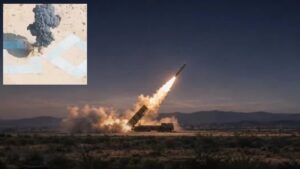
The situation in the Middle East has taken a dramatic turn as Iraq officially enters the ongoing conflict against the U.S.-Israeli alliance, marking a major escalation in an already volatile region. After weeks of what Baghdad described as “systematic aggression” on its territory, Iraqi leadership has authorized the Popular Mobilization Forces (PMF) to respond under the principle of self-defense. This decision reportedly followed strategic coordination with Iran, signaling a deeper alignment within regional alliances. By stepping into active conflict, Iraq has effectively abandoned its fragile neutrality and opened a second major front, significantly increasing the scale and complexity of the war.
The economic consequences of this move have been immediate and severe, particularly in the global energy market. Iraq has declared force majeure on its southern oilfields, a legal step indicating that it cannot fulfill export obligations due to extraordinary circumstances. The closure of the strategically vital Strait of Hormuz has halted nearly 90% of Iraq’s crude oil exports, creating a massive disruption in global supply chains. As storage facilities reach critical limits, oil production in Iraq has dropped sharply from approximately 3.3 million barrels per day to just 800,000. This sudden reduction is sending shockwaves through international markets, pushing oil prices toward historic highs and increasing inflationary pressures worldwide.
Pakistan Decides to Continue Diplomatic Efforts for Iran–US Ceasefire
The crisis is not only about oil—it is exposing the fragility of centralized economic and energy systems. With global supply chains under strain, countries dependent on imported fuel are facing rising costs and potential shortages. Meanwhile, military developments continue to intensify, with reports of the deployment of elite U.S. forces such as the 82nd Airborne Division and the formation of a so-called “Hormuz Coalition” aimed at reopening vital shipping routes. These actions suggest that the conflict could expand further, increasing the risk of prolonged instability across the region.
For global investors and financial analysts, this unfolding crisis is acting as a wake-up call. The uncertainty surrounding traditional markets and fiat currencies is accelerating interest in decentralized and non-sovereign assets, which are increasingly seen as a hedge against geopolitical risk. As tensions rise and economic systems are tested, the world is witnessing how quickly regional conflicts can transform into global crises. This moment underscores the urgent need for diversification, resilience, and strategic planning in both energy and financial sectors as the situation continues to evolve unpredictably.