
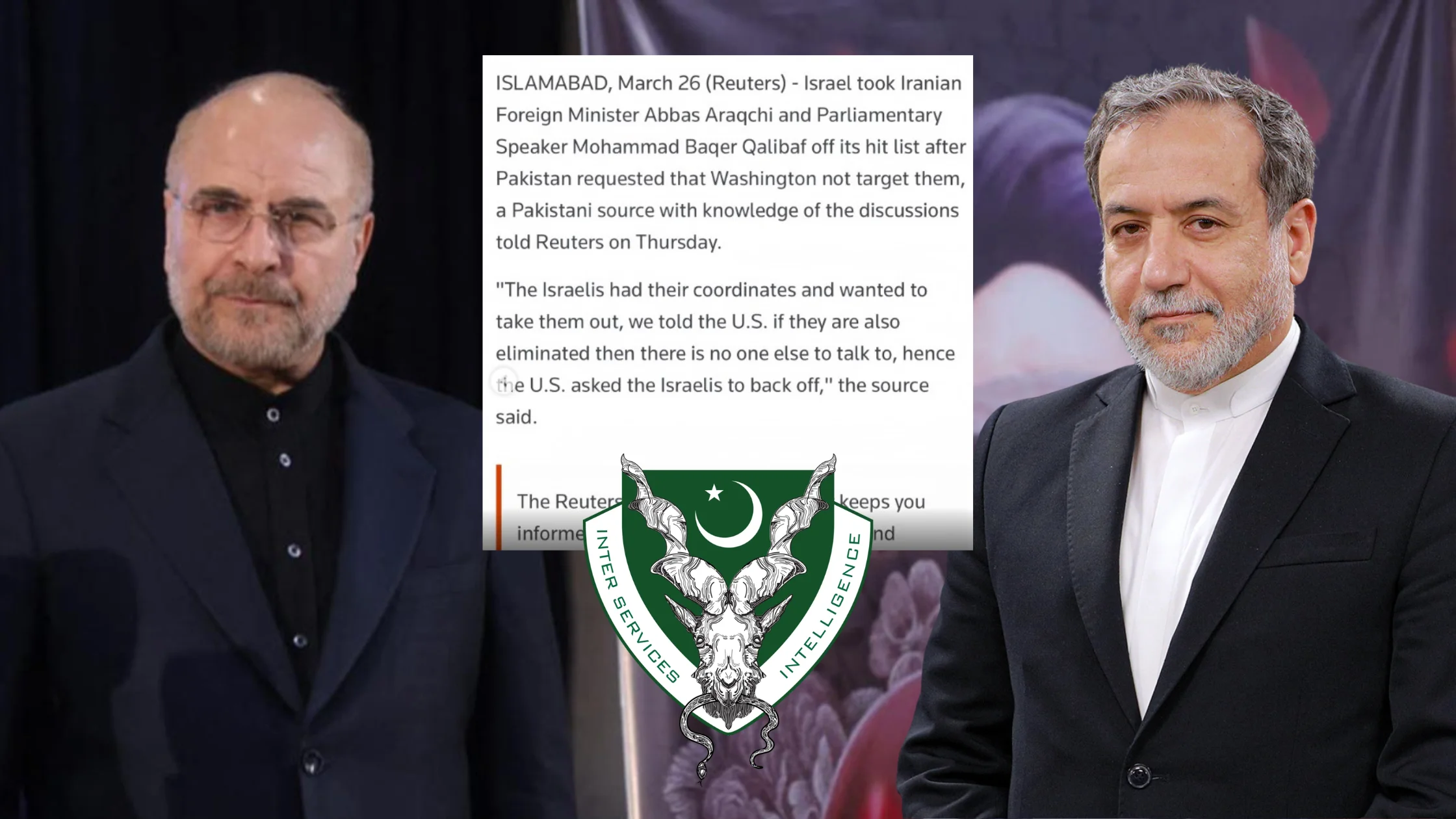
In a significant behind-the-scenes development, Pakistan appears to have played a crucial diplomatic role in preventing further escalation between Iran and Israel. According to reports, Israel had allegedly identified and tracked senior Iranian officials, including Foreign Minister Abbas Araqchi and Parliamentary Speaker Mohammad Baqer Qalibaf, as potential targets. However, these plans were reportedly halted after Pakistan intervened and communicated its concerns to the United States. This quiet but strategic move highlights the importance of diplomacy in a region already facing heightened tensions and uncertainty.
Sources suggest that Pakistan shared intelligence indicating that targeting such high-level political figures could have severe consequences. The concern was not just about immediate retaliation but about the long-term impact on diplomatic channels. If key political leaders were removed, it could leave a vacuum filled by more hardline elements, particularly within Iran’s military structures. This shift could make dialogue nearly impossible and significantly increase the risk of prolonged conflict. Pakistan reportedly emphasized that maintaining communication with Iran’s political leadership is essential for any peaceful resolution.
Iran Demands Extensive Concessions Before Ending Conflict, Reports Wall Street Journal
Following this intervention, the United States is said to have urged Israel to step back from its plans, leading to the removal of these officials from any active target list. While official confirmations remain limited due to the sensitive nature of such intelligence matters, the development reflects how critical backchannel diplomacy can be. These efforts often happen away from public view, yet they can prevent major crises from unfolding. It also demonstrates Pakistan’s growing role as a mediator capable of influencing outcomes in complex geopolitical situations.
This episode serves as a reminder of how fragile regional stability can be and how quickly situations can escalate without careful handling. Pakistan’s approach—focused on dialogue, restraint, and strategic communication—shows that even in tense environments, diplomacy can still make a meaningful difference. By prioritizing de-escalation and preserving diplomatic pathways, Pakistan has reinforced its position as a responsible and proactive player in regional peace efforts.