

Pakistan is a land rich with history, home to many ancient monuments that narrate stories of past empires, traditions, and cultures. Among these, Makli Necropolis, located near the city of Thatta in Sindh, stands as one of the largest and most intriguing graveyard complexes in the world. Spanning over 10 square kilometers, Makli is a UNESCO World Heritage Site and holds the remains of kings, queens, saints, scholars, and soldiers, all buried in beautifully crafted tombs that represent a wide range of architectural styles.This ancient cemetery offers a window into the rich history of Sindh, blending Islamic, Hindu, Mughal, and indigenous architectural elements into its vast collection of mausoleums and gravestones. In this blog, we’ll explore the history, significance, and architectural marvels of Makli Necropolis—a must-see for any history enthusiast or cultural explorer.
A Glimpse into History: The Origins of Makli Necropolis
Makli Necropolis is not just an ordinary graveyard—it is a city of the dead. Founded during the 14th century, it served as a burial site for the elite and commoners alike for over 400 years. The necropolis is believed to have been started by a Sufi saint named Sheikh Hamad Jamali, whose tomb remains a prominent site within the complex. As Sufism spread through Sindh, Makli became a spiritual center, attracting rulers, scholars, and devotees from far and wide.
Over the centuries, the site continued to expand, with rulers of the Samma, Arghun, Tarkhan, and Mughal dynasties commissioning elaborate tombs that reflected their status, wealth, and beliefs. The necropolis became not only a resting place for the deceased but also a symbol of power and reverence for the dynasties that ruled Sindh.
The Architectural Splendor of Makli: A Blend of Cultures
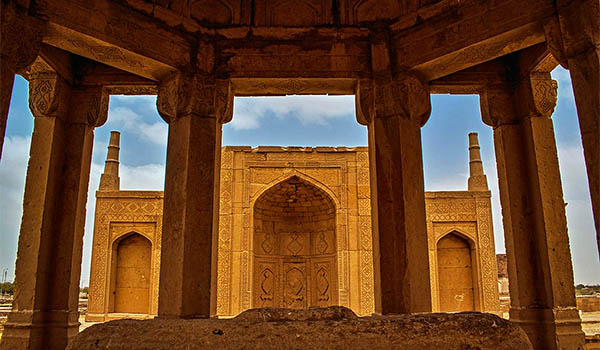
What makes Makli truly remarkable is the diversity of its architectural styles. Walking through the vast necropolis feels like a journey through different eras and cultures, with tombs and mausoleums reflecting a fusion of Islamic, Persian, Hindu, and Mughal influences. This blend of styles is what sets Makli apart, making it one of the most culturally rich and historically significant sites in Pakistan.
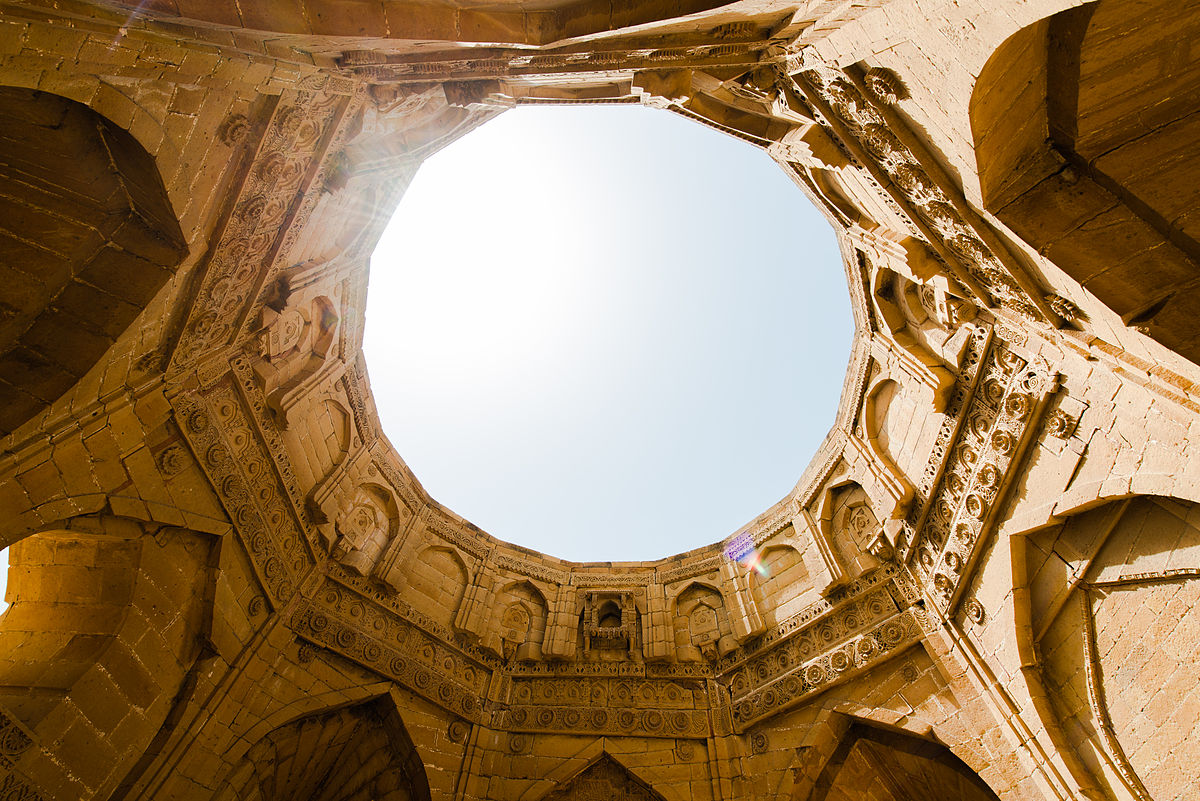
The tombs are adorned with intricate carvings, Quranic inscriptions, and geometric patterns, all carved into sandstone and glazed tiles. The craftsmanship reflects the influence of different dynasties that ruled Sindh over the centuries. The earliest tombs, dating back to the Samma dynasty, are more modest in design, with simple stone slabs marking the graves. However, as you move deeper into the necropolis, you encounter the grander tombs of the Arghun and Tarkhan rulers, with domes, arches, and intricate stonework that mirror the style of Mughal architecture.
One of the most notable tombs is that of Jam Nizamuddin II, the greatest ruler of the Samma dynasty. His mausoleum is a magnificent example of Islamic architecture, with intricate carvings, Persian-style arches, and stunning tile work that still captivates visitors today. Another architectural marvel is the Tomb of Isa Khan Tarkhan, a Mughal-era structure that stands out with its dome and delicate stone carving, showcasing a blend of Persian and Mughal design.
A Spiritual and Historical Hub
Makli is more than just a burial site—it’s a spiritual and historical hub that played a significant role in the history of Sindh. Many of the rulers and saints buried here were key figures in the region’s cultural and political development. As a Sufi center, it attracted pilgrims and mystics from across the region, becoming a beacon of spiritual enlightenment.
Visitors to Makli often report a sense of peace and reflection, as they walk among the tombs of rulers and saints who shaped the region’s history. The necropolis is also significant in Islamic history, as many of the inscriptions on the tombs reflect Quranic verses and Sufi poetry, symbolizing the deep spiritual connection of those who rest here.
Makli Today: A Heritage Site in Need of Preservation
In 1981, Makli Necropolis was declared a UNESCO World Heritage Site, recognizing its outstanding universal value as a cultural and historical treasure. However, despite its historical significance, Makli faces challenges today in terms of preservation. Many of the tombs are in danger of decay due to environmental factors such as weathering, erosion, and lack of maintenance. While restoration efforts have been made, there is still much work to be done to protect this valuable piece of Pakistan’s heritage.
Visiting Makli today offers a stark contrast between the grandeur of the past and the fragile state of some of the tombs. Yet, even in its current state, the site remains awe-inspiring, a testament to the rich cultural history of Sindh and the enduring legacy of those who once ruled the region.

Why Makli Necropolis Should Be on Your Travel List
For travelers seeking to explore Pakistan’s lesser-known historical sites, Makli Necropolis is a hidden gem that offers a unique blend of history, spirituality, and architectural beauty. Whether you’re a history buff, a cultural explorer, or simply someone who appreciates the artistry of ancient civilizations, Makli is a destination that promises to leave a lasting impression.
As you wander through the site, you’ll feel as if you’ve stepped into another time—a time when Sindh was a thriving center of culture and power. The tombs and mausoleums stand as silent witnesses to the region’s glorious past, offering a glimpse into the lives and legacies of the people who once shaped this land.
Conclusion
Makli Necropolis is a treasure trove of history and culture, offering a window into the rich past of Sindh. Its blend of Afghan, Mughal, and Hindu architecture makes it one of the most diverse and visually captivating sites in Pakistan. Whether you’re drawn to the spiritual significance of the necropolis or its architectural beauty, a visit to Makli is a journey through time, revealing the stories of the rulers, saints, and scholars who left their mark on this sacred ground.
As Pakistan continues to preserve and protect its heritage, Makli Necropolis stands as a testament to the country’s rich cultural legacy—a legacy that is well worth exploring. Make sure to add this hidden gem to your travel itinerary and experience firsthand the grandeur and mystery of one of the world’s largest necropolises.