
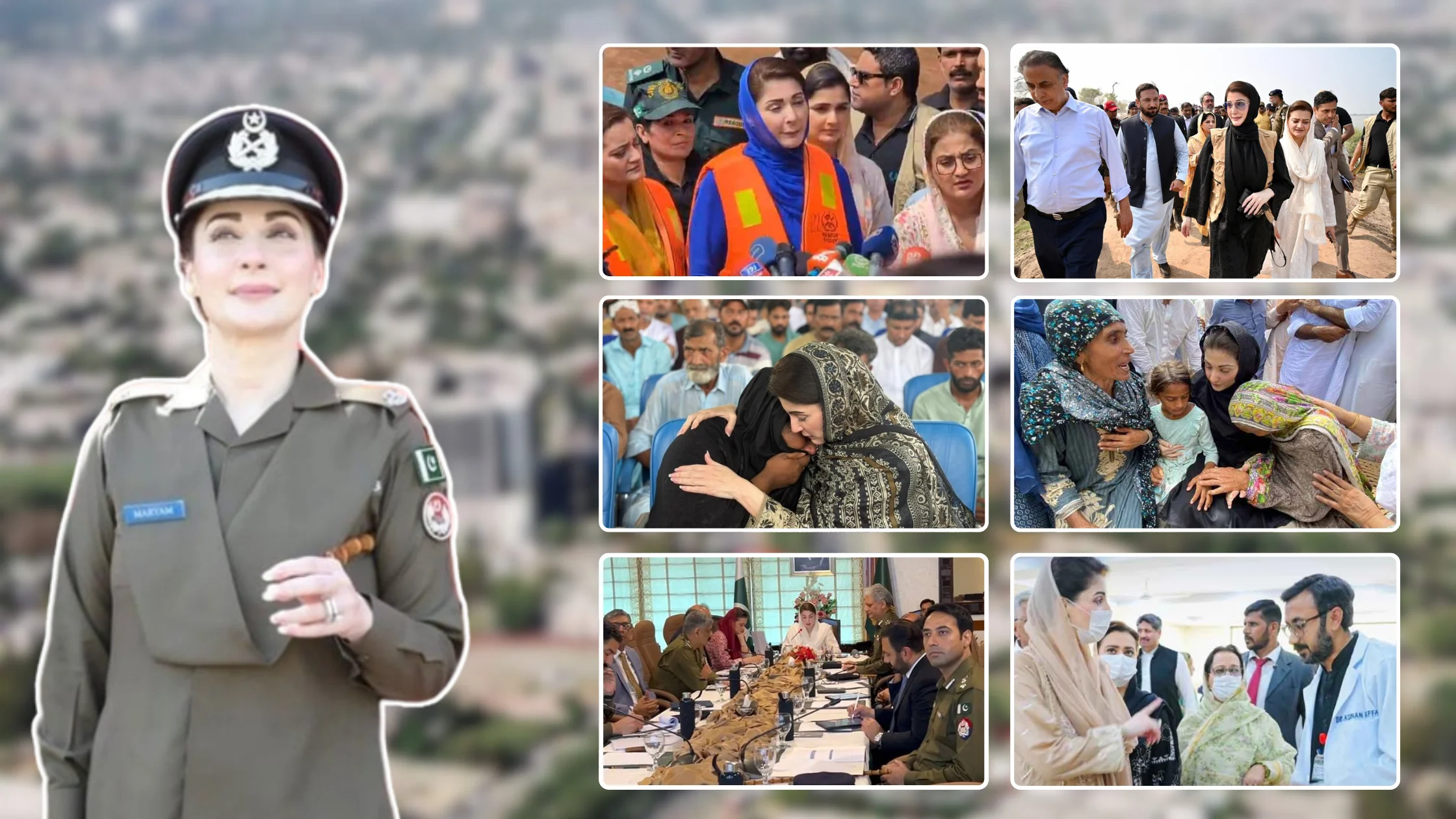
Punjab Chief Minister Maryam Nawaz Sharif is increasingly being described as a hands-on and disciplined leader who is running the province with close attention to detail and accountability. Recent public remarks and her live interaction with the media have sent a clear and powerful message to Punjab’s bureaucracy: trust comes with responsibility, and negligence will have consequences.
Observers say her approach reflects a leadership style focused on delivery, discipline, and direct oversight rather than symbolic governance.
A Clear Warning to the Bureaucracy
During her recent public address, Maryam Nawaz made it clear that senior officers and officials have been personally chosen by her, and therefore they carry full responsibility for performance and results. According to political analysts, this message was not just rhetorical—it was a warning.
She emphasized that if any officer shows negligence, incompetence, or lack of seriousness, they will have to “pay the price.” At the same time, she reassured officials that she trusts them, but that trust is conditional on performance.
This balance of trust and accountability is being seen as a defining feature of her leadership.
“Running Punjab Like a Household”
Commentators have compared Maryam Nawaz’s governing style to the way a woman manages a household—paying attention to even the smallest details. From sanitation issues and electricity outages to infrastructure problems and service delivery, she is reportedly questioning officials directly about why problems exist and how quickly they can be resolved.
This analogy is often framed positively in local political discourse, suggesting care, oversight, and emotional ownership rather than detachment. Supporters say she is acting like a “bari behen” (elder sister) who looks after everyone and ensures nothing is ignored.
16-Year-Olds in Punjab to Legally Ride Motorcycles Under New Bill
Tragic Incident in Lahore: Mother and Baby Fall into Open Manhole Amid Punjab Beautification Efforts
Top 15 Most Influential Leaders in Pakistan’s History
Long Working Hours and Direct Involvement
According to those close to the administration, Maryam Nawaz is working up to 18 hours a day, personally monitoring projects and administrative matters across the province. Punjab, with a population exceeding 100 million people, is effectively the size of a country, making such involvement both demanding and unusual.
Her long working hours are frequently cited as evidence of her seriousness and commitment. Supporters argue that this level of engagement has accelerated decision-making and reduced bureaucratic delays.
Strong Projects but Weak Public Reception
While many analysts agree that significant development work is underway, they also point out a challenge: the political credit for these projects has not fully translated into public recognition.
According to observers, the problem is not the absence of work, but rather the lack of effective communication and public reception. Many politicians expect visible praise and political momentum from development initiatives, but in Maryam Nawaz’s case, that response has been slower than expected.
This gap between performance and perception remains a key political challenge for her administration.
A Leadership Style Based on Accountability
What stands out most in Maryam Nawaz’s governance is her insistence on delivery over excuses. She has reportedly told officials that if outcomes are not achieved, she will take direct action against them.
This approach has reportedly created pressure within the bureaucracy, but also clarity. Officers now understand that performance will be monitored closely, and failure will not be overlooked.
Supporters believe this culture of accountability could lead to long-term institutional improvement if sustained.
Public Image: A Caring but Firm Leader
Maryam Nawaz’s public image is evolving into that of a firm yet caring leader—someone who combines authority with emotional intelligence. The comparison to a mother or elder sister resonates strongly in Punjab’s social and cultural context, especially among women and middle-class families.
Her live appearances and direct language have helped humanize her leadership, while her warnings to officials underline her seriousness.
Conclusion
Maryam Nawaz Sharif’s recent statements and leadership style reflect a new phase of governance in Punjab, marked by close supervision, long working hours, and strict accountability. By openly trusting the bureaucracy while warning against negligence, she has drawn a clear line between responsibility and consequences.
While challenges remain—especially in public perception and political messaging—many observers believe her approach has already sent a strong signal: Punjab will be governed through performance, not promises.
If sustained, this model could redefine administrative discipline and leadership expectations in the province.