
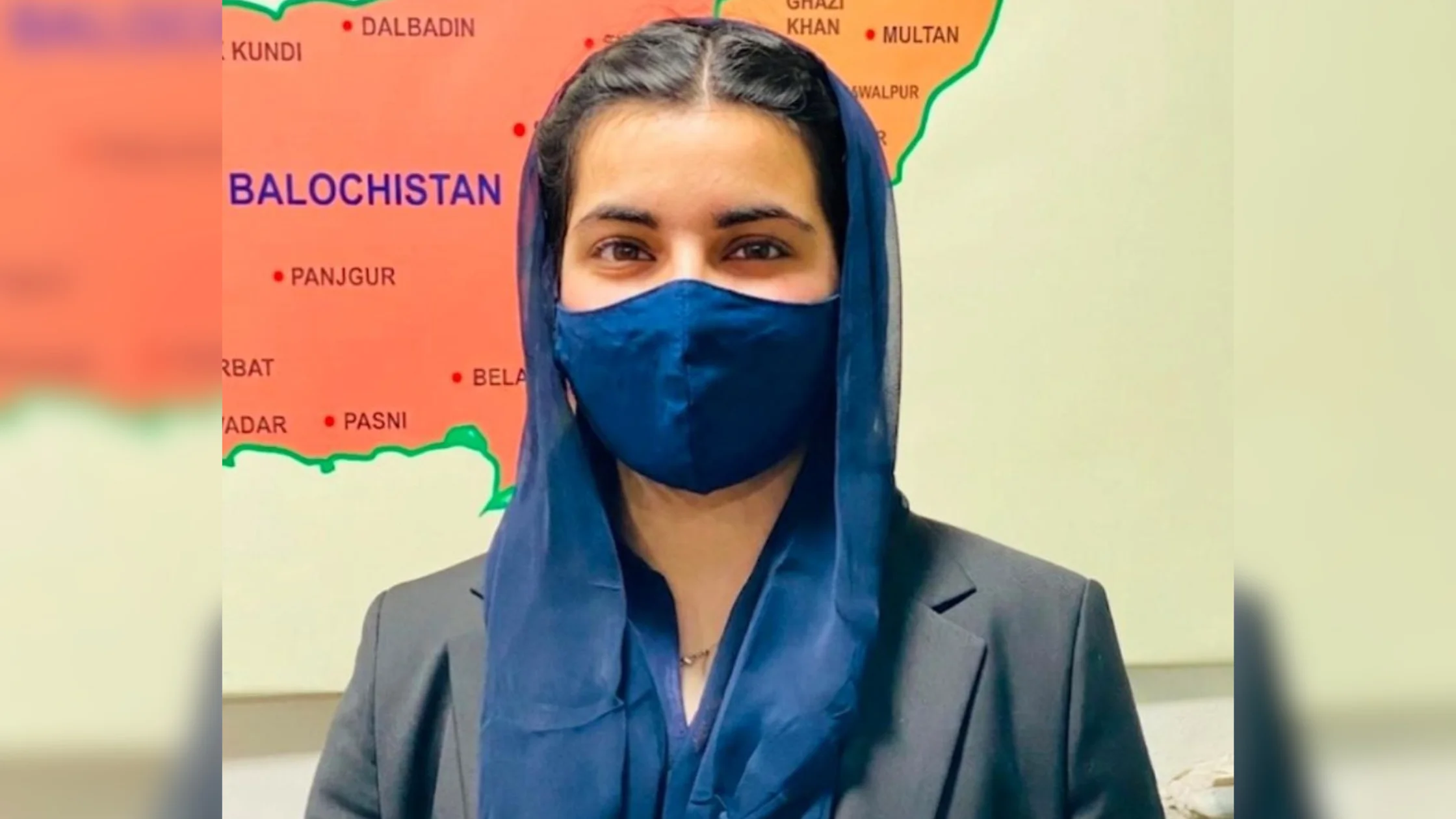
Muneeba Hussain has successfully cleared the competitive Central Superior Services (CSS) Examination on a tribal domicile, achieving this milestone on her first attempt—an accomplishment widely appreciated across the country.
Her success is being seen as a positive and encouraging sign, especially for women from underrepresented and remote regions. It highlights the growing potential of individuals from tribal areas to compete at the highest national levels despite structural challenges.
However, alongside the celebration, her achievement has also sparked a broader conversation about the ground realities faced by women in tribal regions. Many observers point out that while individual success stories are inspiring, true progress will only be achieved when basic education becomes accessible to women across these areas.
Educational Institutions Allowed to Hold Online Classes on Fridays, Says Rana Sikandar Hayat
In many tribal communities, limited educational infrastructure, social restrictions, and deeply rooted cultural norms continue to hinder women’s development. Critics argue that the system still struggles to ensure equal rights and opportunities, particularly for girls seeking education and independence.
The discussion also reflects concerns about conservative attitudes that restrict women’s mobility and personal growth. Advocates stress that meaningful change will require long-term reforms in education, awareness, and social attitudes.
Muneeba Hussain’s success, therefore, represents both hope and a reminder—hope that barriers can be broken, and a reminder that many more women still need access to the same opportunities. Bridging this gap will require sustained efforts from policymakers, communities, and civil society to ensure that empowerment reaches beyond individual achievements and transforms the lives of women across tribal regions.