

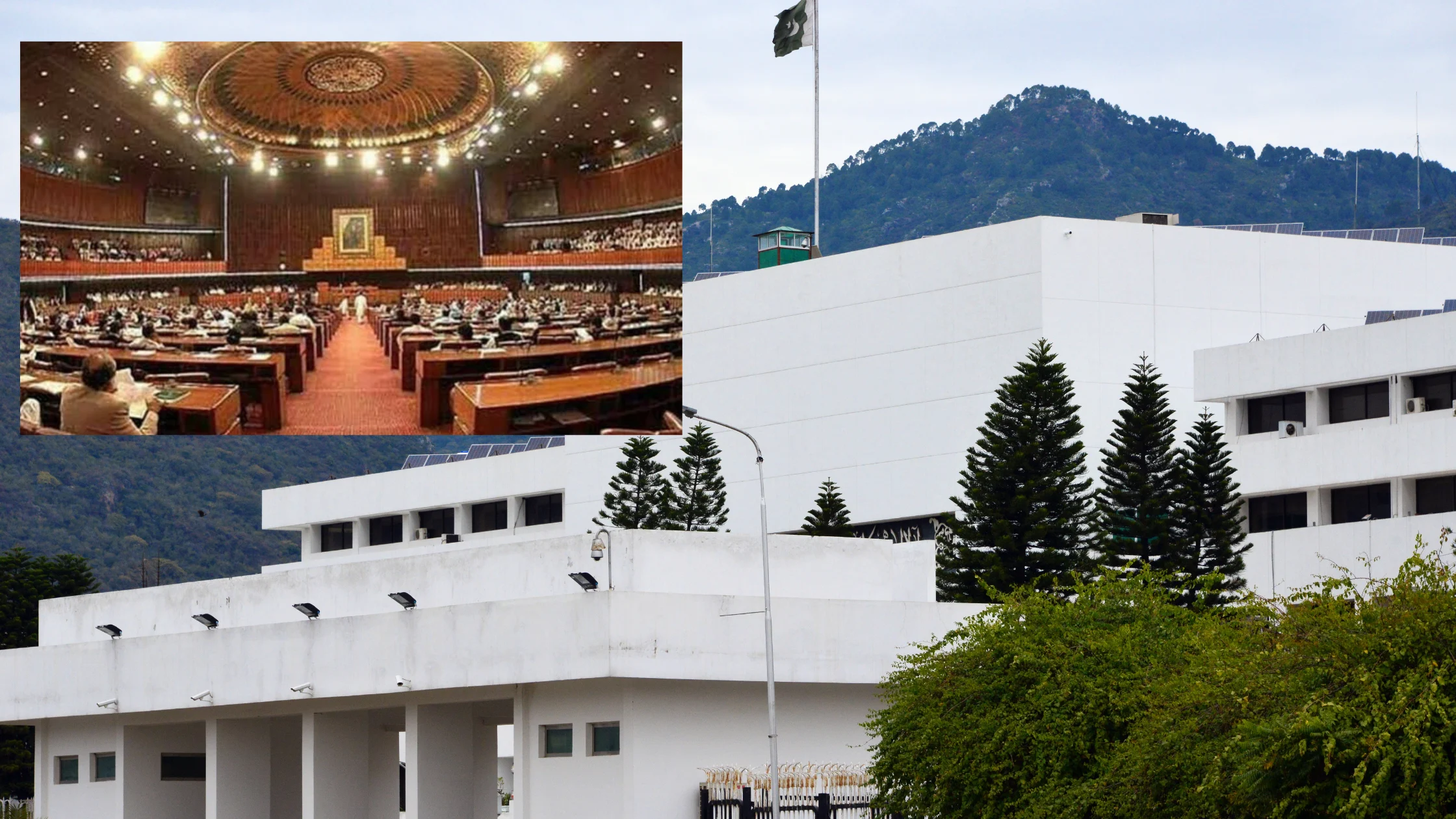
The National Assembly of Pakistan has approved major constitutional and legal changes that will have a lasting impact on the country’s military and judicial system.
According to the new law, the tenure of all three armed forces chiefs has been fixed at five years. This decision is aimed at bringing uniformity and stability in the leadership of the Pakistan Army, Navy, and Air Force.
NCCIA Issues List Of Illegal Betting, Forex And Binary Trading Apps In Pakistan
The judiciary has also been strengthened through these reforms. The number of judges in the Supreme Court has been doubled, increasing from 17 to 34. Likewise, the Islamabad High Court will now have 12 judges instead of 9, which is expected to speed up case hearings and reduce backlog.
Another significant change comes in the Army Act. It has been clarified that the normal retirement rules for generals will not apply to the Chief of Army Staff (COAS). This means the Army Chief can continue to serve if appointed, reappointed, or granted an extension, without being restricted by age or retirement rules.
The bills were presented by Law Minister Azam Nazeer Tarar and Defence Minister Khawaja Asif. Despite loud protests from the opposition benches, the amendments were successfully passed in the assembly.
These reforms mark a new chapter in Pakistan’s governance, focusing on military leadership continuity and strengthening the judiciary’s role.
FAQs
1. What is the new service term for armed forces chiefs in Pakistan?
The tenure has been set at five years.
2. How many judges will now serve in the Supreme Court?
The number has been increased to 34 judges.
3. How many judges are in the Islamabad High Court after the amendment?
The total has risen from 9 to 12 judges.
4. What special rule has been added for the Army Chief?
The retirement rules for generals will not apply to the Army Chief, allowing continuity in leadership.
5. Did the opposition support these changes?
No, the amendments were passed despite strong opposition protests.