
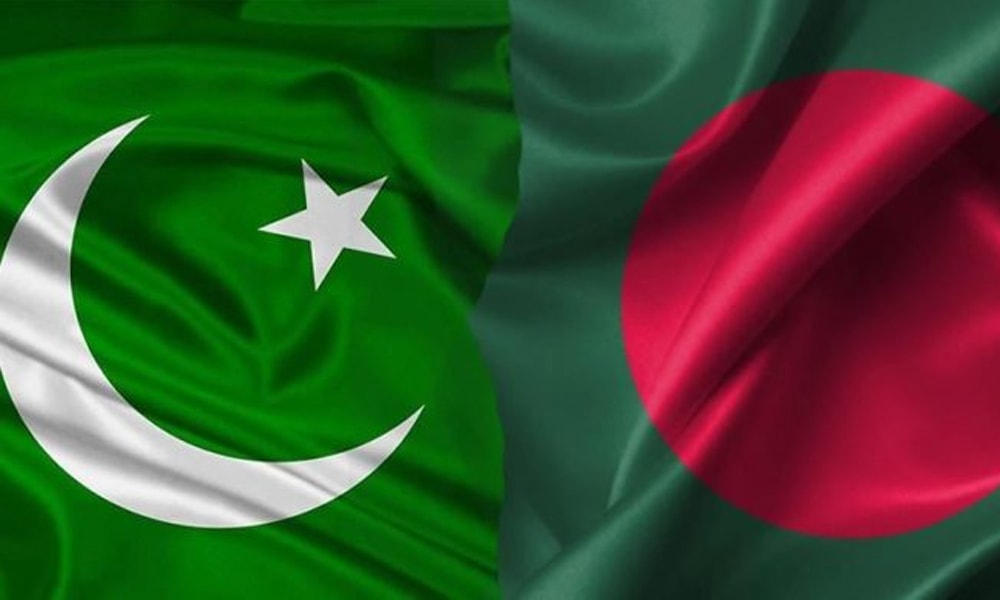

After a two-decade hiatus, Pakistan has made a triumphant return to Bangladeshi shores with a cargo ship docking in Dhaka, signaling a bold new chapter in bilateral trade. This historic milestone comes as a breath of fresh air following a dramatic political shift in Bangladesh, unlocking fresh avenues for business between the two nations.
The relationship between Pakistan and Bangladesh has been rocky since the 1971 split, but recent changes in Dhaka’s political landscape have flipped the script. Following the ousting of the pro-India Prime Minister Sheikh Hasina, the newly appointed interim leader Mohammad Yunus has taken swift action to mend fences and foster economic ties. Under his leadership, the door to trade revival has swung open wide.
Insiders say this diplomatic thaw was cemented during a key meeting between Yunus and Pakistan’s Prime Minister Shehbaz Sharif at the UN General Assembly in September. The duo reportedly expressed a strong resolve to reset relations and turbocharge trade, a move that has already started paying off.
Local business leaders in Bangladesh are buzzing with excitement. Somya Sumo, CEO of Somya Fashion World in Dhaka, told BBC, “Pakistani exports like women’s clothing, jewelry, and cosmetics are a hit in our market. This sea route will be a game-changer.”
Before the resumption of direct sea links, trade was a sluggish ordeal, with shipments taking up to 25 days. Now, the new sea corridor has slashed delivery times to just 10 days, cutting costs and fueling hopes for a trade boom.
The standoff between the two countries wasn’t just about economic barriers—it was deeply rooted in a political and historical tug-of-war. Following Bangladesh’s independence in 1971, relations soured, exacerbated by the bitter legacy of war and mistrust. Over the years, several attempts to rebuild ties stumbled due to political roadblocks, with Hasina’s administration opting for closer alignment with India, sidelining Pakistan.
However, experts believe that the latest political shift in Bangladesh may be a game-changer. With Yunus stepping in and signaling a more independent foreign policy, business communities on both sides are optimistic. The removal of restrictive trade policies, including the infamous “red list” of Pakistani goods, marks a significant move toward rebuilding trust and resetting the economic agenda. The resumption of sea trade could be just the beginning of a broader reset in Pakistan-Bangladesh relations, heralding a new era of cooperation and shared prosperity.