

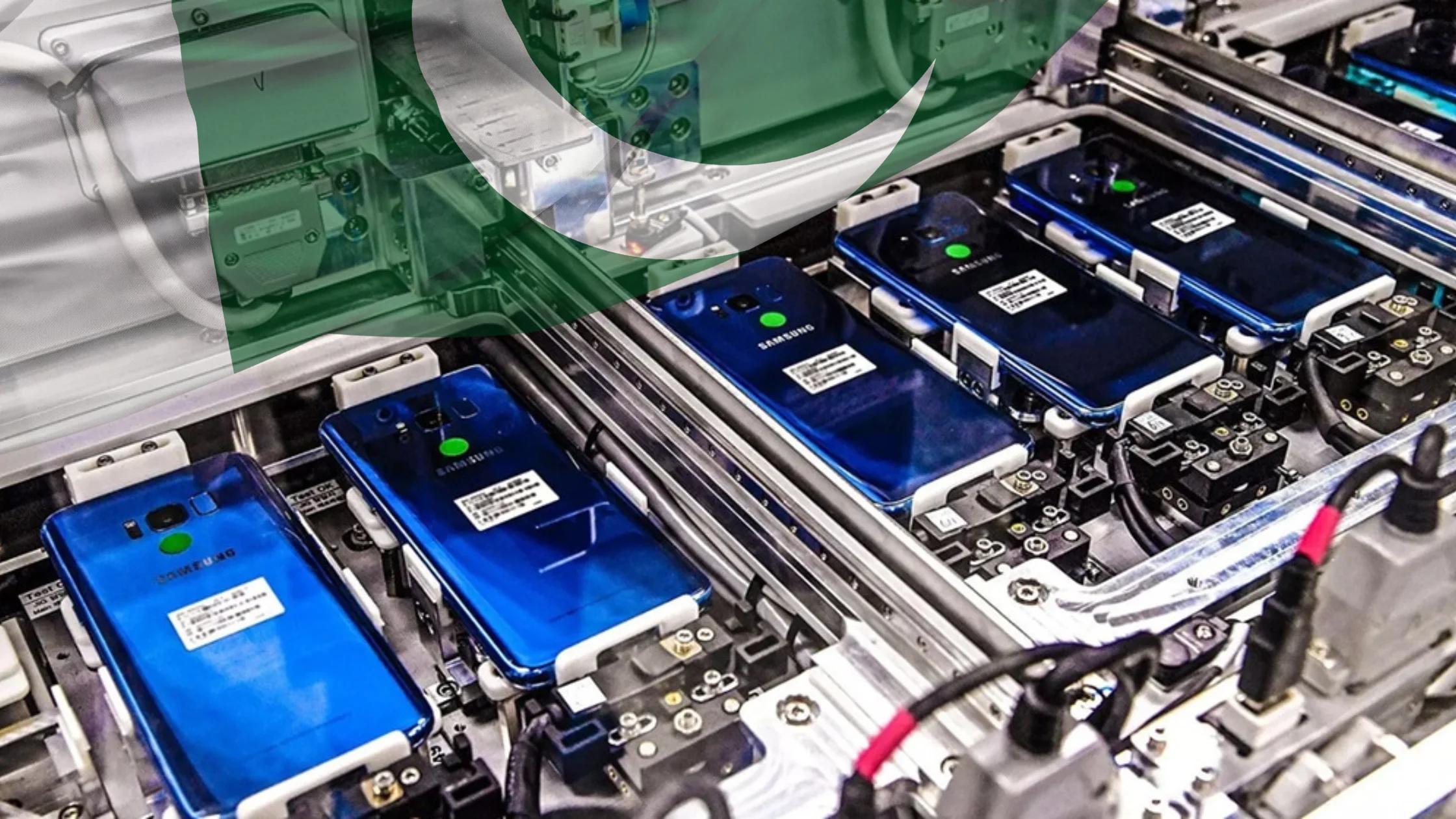
Pakistan has achieved a major technological milestone with the successful launch of its first indigenously developed secure mobile phone, designed exclusively for senior government officials and sensitive state institutions.
The secure device has been fully created in Pakistan—both the hardware and the software—marking a significant step toward digital sovereignty and protection against external surveillance. Developed under a special National Telecom Corporation (NTC) pilot project, the phone features a completely new operating system built for high-level security.
No Internet Connectivity for Maximum Security
One of the most distinctive features of the new secure smartphone is that it cannot connect to the internet, ensuring that no third party—foreign or domestic—can access its data. The phone supports SIM cards from all Pakistani telecom operators, but it does not offer any backup or cloud syncing, preventing data leaks.
Calls made from this secure device can only be connected to other secure phones, ensuring a fully protected communication circle among authorized users.
Applications Specially Developed in Pakistan
Every application installed on this secure device has been locally designed, with encryption standards built to resist intercepting, monitoring, or hacking attempts. According to officials, interception of calls or messages from this device will be impossible, providing Pakistan’s institutions with a much-needed shield against cyber espionage.
The secure phone is part of a broader plan to safeguard communications within key national institutions, including:
- The Prime Minister’s Secretariat
- The Presidency
- The Armed Forces
- Sensitive defense and strategic projects
This move aims to eliminate security vulnerabilities in traditional communication apps and devices.
Pilot Project Produces 10 Phones So Far
NTC’s Managing Director Ali Farhan briefed senior authorities on the project, revealing that 10 secure mobile phones have been produced in the initial pilot phase. To scale production and distribute the phones widely across government departments, additional funding will be required.
Farhan emphasized that commonly used communication platforms such as WhatsApp are not fully secure, as service providers retain access to metadata and can, under certain circumstances, access user content.
Instability and Leaks Led to the Initiative
The initiative gained urgency after the recent Indo-Pak conflict, during which sensitive messages exchanged between top officials on WhatsApp were reportedly leaked. The incident revealed significant weaknesses in relying on foreign-owned communication apps for state-level conversations.
Authorities concluded that critical national communications must be fully controlled within Pakistan, without relying on international companies or foreign servers.
A Major Step Toward Technological Independence
Pakistan’s indigenous secure mobile phone represents a major leap toward:
- Stronger cybersecurity
- Protection of national secrets
- Reduced dependence on foreign technologies
- Enhanced digital autonomy
The government plans to expand the project after securing funding, aiming to eventually distribute secure phones widely across high-ranking government departments and security institutions.
This initiative marks a turning point in Pakistan’s strategy to reinforce secure, reliable, and sovereign communication infrastructure for national leadership.