
Pakistan’s Defence Minister Khawaja Asif has clearly stated that Pakistan cannot accept the Abraham Accords, saying they are not compatible with the country’s fundamental ideology and national principles. Speaking during a television interview, he confirmed that there has been no official progress or request from any foreign government regarding Pakistan joining such agreements.
He further clarified that Pakistan’s position remains unchanged and firm. Responding to questions about possible pressure from the United States or other international actors, the minister said no one has formally approached Pakistan on this matter. He also pointed out that Pakistan’s passport still does not include recognition of Israel, reflecting the country’s long-standing foreign policy stance.
Khawaja Asif also commented on the ongoing situation in Gaza, saying that existing agreements in the region continue to be violated, which raises serious concerns about trust and reliability in peace arrangements. He questioned how Pakistan could engage with parties that, in his words, do not consistently honor commitments.
Lebanon and Israel Agree to 10-Day Ceasefire, Says Donald Trump
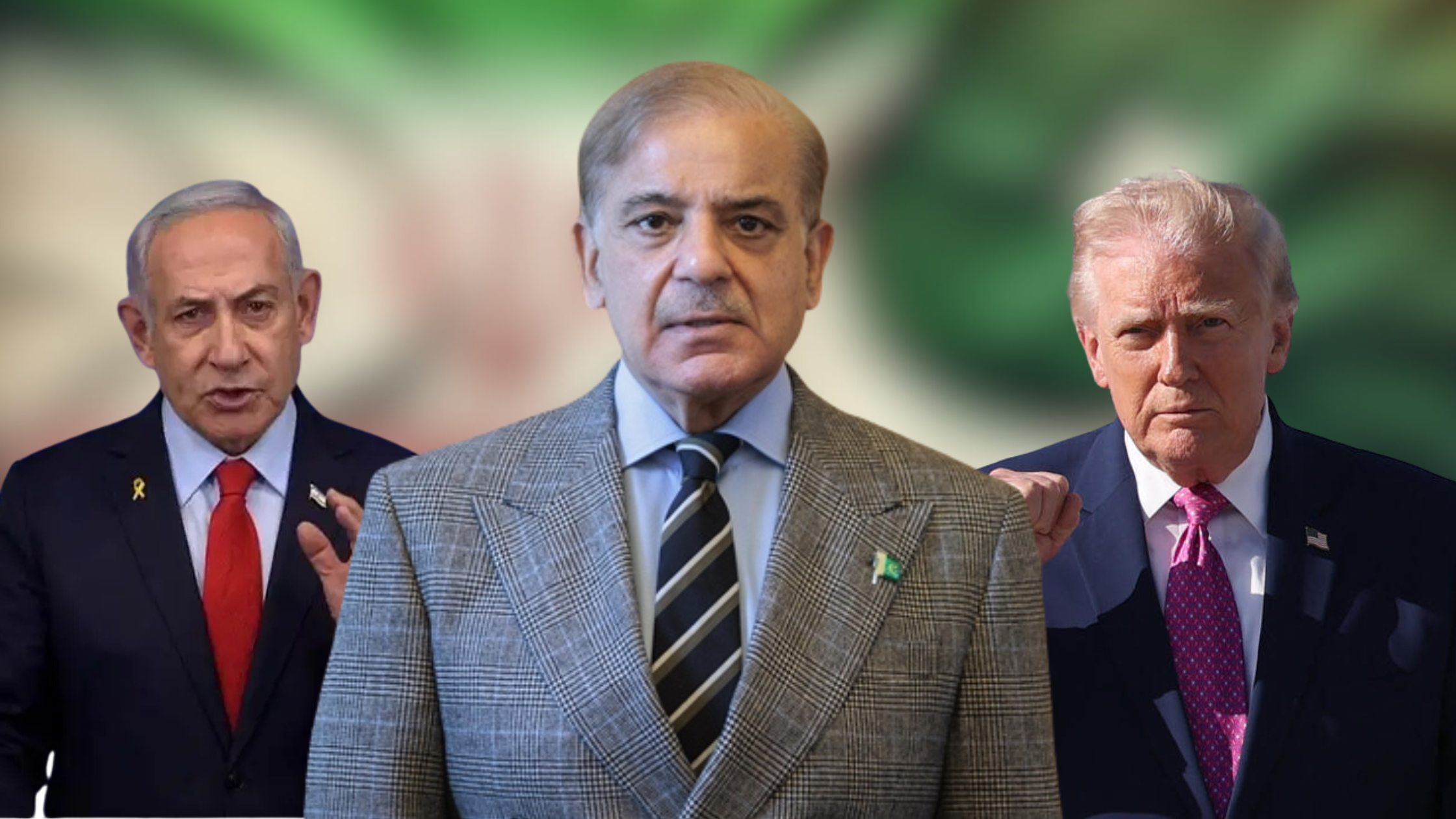
Meanwhile, reports suggest that former U.S. President Donald Trump has been encouraging several Muslim-majority countries, including Pakistan, Saudi Arabia, Qatar, Turkey, Egypt, and Jordan, to consider joining the Abraham Accords as part of broader regional peace efforts involving Israel. However, Pakistan has rejected the idea outright, and no other country has publicly confirmed agreement to the proposal.
A Pakistani security source stated that linking Iran-related diplomacy with the Abraham Accords is inappropriate, as both issues are separate and should not be mixed. The source added that Pakistan is not under any obligation to accept external pressure on such sensitive foreign policy matters.
Overall, Pakistan has reaffirmed its independent foreign policy stance and emphasized that decisions regarding international agreements will be made in line with national interest and ideological principles.