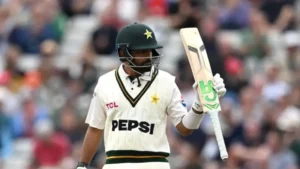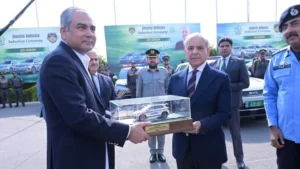

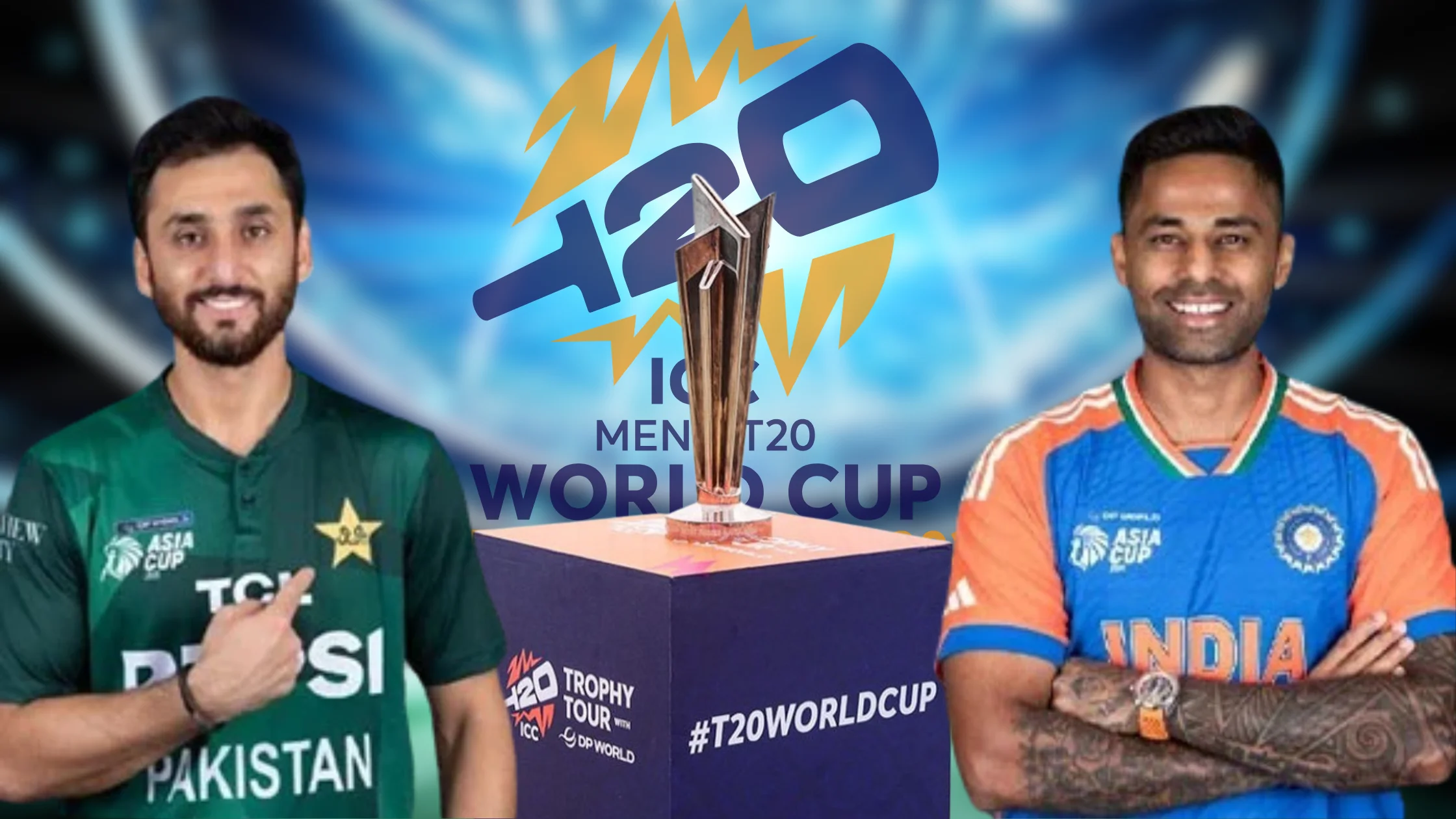
In a surprising move that could have major ramifications for international cricket, Pakistan has announced it will boycott its group-stage match against archrival India at the upcoming T20 World Cup 2026. While the national team will still participate in the tournament, the government has made it clear that the Feb. 15 clash in Colombo will not see Pakistan take the field, citing what the Pakistan Cricket Board (PCB) calls the International Cricket Council’s (ICC) “double standards.”
Background: Pakistan’s Participation and Tournament Setup
The 2026 T20 World Cup is being co-hosted by India and Sri Lanka, featuring 20 teams. Traditionally, the India-Pakistan match is one of the tournament’s most anticipated fixtures, drawing massive global viewership and generating significant revenue for organizers, sponsors, and broadcasters.
To avoid political complications, Pakistan’s matches have been scheduled entirely in Sri Lanka, including potential knockout games. This arrangement was intended to allow the marquee India-Pakistan clash to proceed safely in Colombo. However, political tensions and PCB grievances with the ICC have now jeopardized that plan.
Government Approval with a Caveat
On Sunday, the Government of Pakistan officially granted permission for the team to compete in the T20 World Cup but with a significant restriction. In an official statement on its X account, the government said:
“The Pakistan Cricket Team shall not take the field in the match scheduled on Feb. 15, 2026, against India.”
The announcement did not provide a detailed rationale, but the move aligns with PCB chairman Mohsin Naqvi’s prior statements criticizing the ICC for inconsistent treatment of member nations.
Pakistan Announces Squad for ICC Men’s T20 World Cup 2026
PCB Criticism of ICC and Double Standards
Mohsin Naqvi, PCB chairman, voiced concerns that the ICC had displayed double standards after refusing to move Bangladesh’s matches to Sri Lanka under similar circumstances. Bangladesh was subsequently replaced by Scotland in the tournament.
Naqvi had previously expressed Pakistan’s support for Bangladesh and said he would defer the final decision on participation to the government after briefing Prime Minister Shehbaz Sharif. This decision appears to reflect Pakistan’s broader frustration with political influence affecting cricket scheduling.
ICC Response and Warning
The ICC has publicly expressed concern over the boycott, emphasizing the importance of equal participation in global sporting events. In an official statement, the ICC said:
“This position of selective participation is difficult to reconcile with the fundamental premise of a global sporting event, where all qualified teams are expected to compete on equal terms per the event schedule.”
The ICC also warned that any disruption could harm the spirit of the tournament, impact global cricket, and have long-term implications for the game in Pakistan. The organization urged the PCB to seek a mutually acceptable resolution that protects the interests of all stakeholders.
Impact on the India-Pakistan Match
If Pakistan proceeds with the boycott, India will be awarded two points by default, effectively ending the highly anticipated match before it begins. An India-Pakistan clash typically garners massive global attention, with millions of fans tuning in from around the world. It also serves as a major revenue source for broadcasters and ICC sponsors.
Political tensions between the two nations have spilled into cricket in the past. During last year’s Asia Cup, Indian players notably refused to shake hands with Pakistani counterparts during matches, including the final held in the UAE.
Pakistan’s Tournament Schedule
Despite the boycott of the India match, Pakistan will still compete in the group stage. The team’s schedule is as follows:
- Feb. 6 – Pakistan vs Netherlands in Colombo
- Feb. 10 – Pakistan vs United States in Colombo
- Feb. 18 – Pakistan vs Namibia in Colombo
The focus now is on navigating the tournament without the traditional high-profile match against India, which may have both psychological and commercial implications for the team and the ICC.
Players Abide by Government Directive
Pakistan captain Salman Ali Agha, who recently led his team to a 3-0 T20 series sweep against Australia, confirmed that the players would comply with the government’s decision.
“It’s not our decision. We can’t do anything about it. We will do whatever our government and the PCB chairman say,” he stated.
This response underscores the close coordination between the government and PCB in cricket-related matters, reflecting how political considerations continue to shape the sport in South Asia.
Global Cricket Implications
The boycott could have several long-term effects on international cricket:
- Revenue Loss: The India-Pakistan fixture is a major revenue generator, and its absence could impact ICC finances.
- Fan Disappointment: Millions of fans in Pakistan, India, and worldwide follow this rivalry. Missing the match will likely spark backlash.
- Political Precedent: Governments directly influencing match participation could challenge the autonomy of cricket boards and the ICC.
- Broadcasting Conflicts: Media rights deals and sponsorship agreements often hinge on marquee matches; disruptions could complicate contracts.
Analysts suggest that the ICC will need to negotiate carefully with the PCB to prevent similar issues in future tournaments.
Conclusion
Pakistan’s decision to boycott its T20 World Cup match against India represents a rare intersection of politics and sport, highlighting the ongoing influence of political tensions on cricket. While the team will still participate in other group-stage matches, the absence from the India clash could have both sporting and financial repercussions.
The situation also places the ICC under pressure to balance diplomacy, tournament integrity, and fan expectations. Fans, players, and officials alike now await further developments, hoping for a resolution that preserves the spirit of one of cricket’s greatest rivalries.