
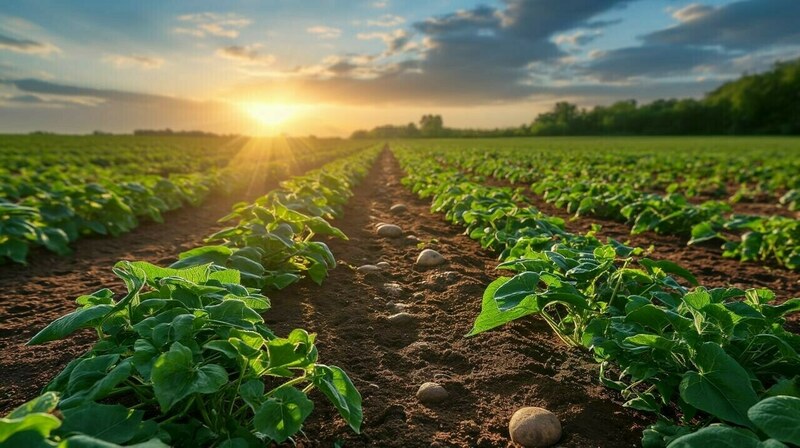
Pakistan has taken a groundbreaking step in transforming its agricultural landscape with the launch of an advanced biosaline research center at Sindh Agricultural University. The new facility is set to tackle one of the country’s most pressing challenges: reclaiming the 35% of agricultural land that is currently uncultivable due to salinity and soil degradation.
Backed by the Special Investment Facilitation Council (SIFC), this initiative aims to revolutionize the management of salt-affected soils, which currently plague 6.3 million hectares of farmland across the nation. These lands, once productive, have been rendered barren due to persistent salinity and drainage issues.
The center’s efforts are not starting from scratch. A recent collaboration with an Australian research institute has already yielded impressive results, proving that trees and vegetation can thrive on saline soils. These pioneering findings have led to successful cultivation trials in regions previously deemed unproductive.
One of the center’s key focuses is water management. A comprehensive scheme is being developed to monitor and analyze water usage across 14 canals, tackling both drainage patterns and agricultural needs. This strategy is poised to optimize water resources while addressing soil salinity, ensuring sustainable agricultural practices.
“This research facility is a game-changer for Pakistan’s agricultural rehabilitation efforts,” said a spokesperson from the center, underscoring the vast potential of this project to boost national agricultural productivity.
The SIFC’s involvement highlights the economic importance of this initiative, as the agricultural sector is a cornerstone of Pakistan’s economic recovery plan. By facilitating both technical expertise and financial backing, the SIFC is playing a pivotal role in ensuring the project’s success.
The biosaline research center marks a significant leap toward scientifically-driven solutions to Pakistan’s agricultural woes. With ongoing research, the center aims to develop practical, on-the-ground solutions for farmers struggling with salt-affected land, working to gradually expand Pakistan’s cultivable territory.
By blending cutting-edge research with real-world agricultural challenges, this project offers hope for a more sustainable, productive future. As the center rolls out new techniques across the country, its impact will be closely monitored, with the potential to redefine Pakistan’s agricultural landscape for generations to come.