
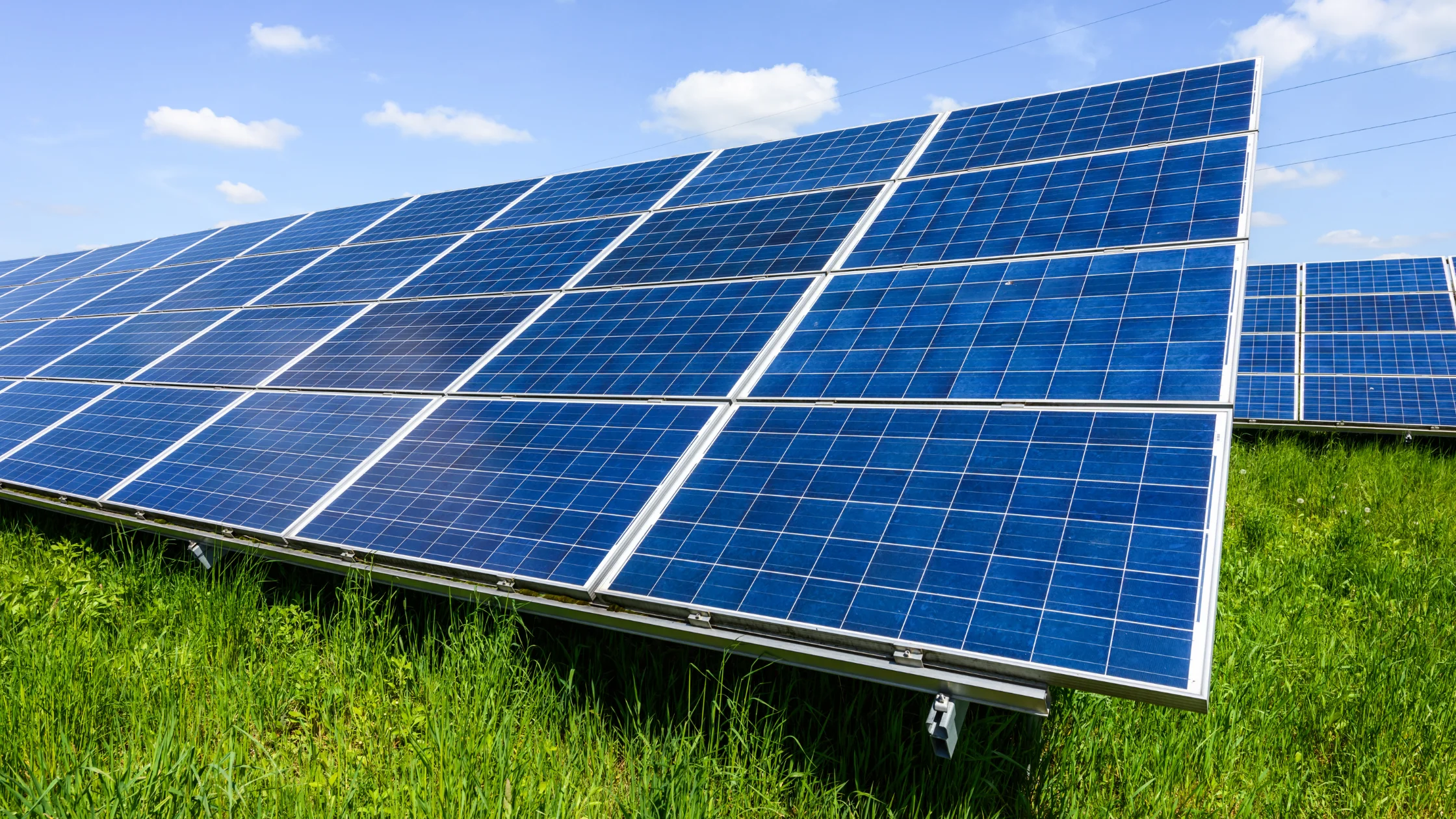
Pakistan has achieved a major milestone in its energy sector as the country’s total installed solar power capacity has reportedly crossed 31,000 megawatts (MW), according to official documents. This development highlights the rapid growth of renewable energy adoption across the country.
Data shows that solar energy in Pakistan is expanding through both on-grid net-metered systems and off-grid installations. Net-metered solar systems now contribute around 12,296MW, while off-grid solar setups account for more than 18,900MW. Together, these systems are helping meet rising electricity needs.
The increase in solar capacity has been driven by several key factors, including rising electricity prices, frequent power shortages, and growing public interest in clean and affordable energy solutions. Many households, businesses, and industries are now turning to solar power as a cost-effective alternative to traditional electricity sources.
Energy experts believe this sharp rise reflects a major shift in Pakistan’s energy landscape. Solar power is no longer a small-scale option but has become an important part of the national energy mix. It is also helping reduce pressure on the national grid, especially during peak demand periods.
Government Makes NEPRA License Mandatory for All Solar System Users
The expansion of solar energy is also seen as a positive step toward environmental protection. By reducing dependence on fossil fuels, Pakistan can lower carbon emissions and move closer to its climate goals.
Officials and analysts say that if this trend continues, solar energy could play an even larger role in the coming years. They also emphasize the need for better infrastructure, storage systems, and policy support to manage the growing demand for renewable energy.
Overall, the crossing of the 31,000MW mark is being seen as a significant achievement for Pakistan’s energy sector, signaling a strong and ongoing transition toward cleaner and more sustainable power sources.