
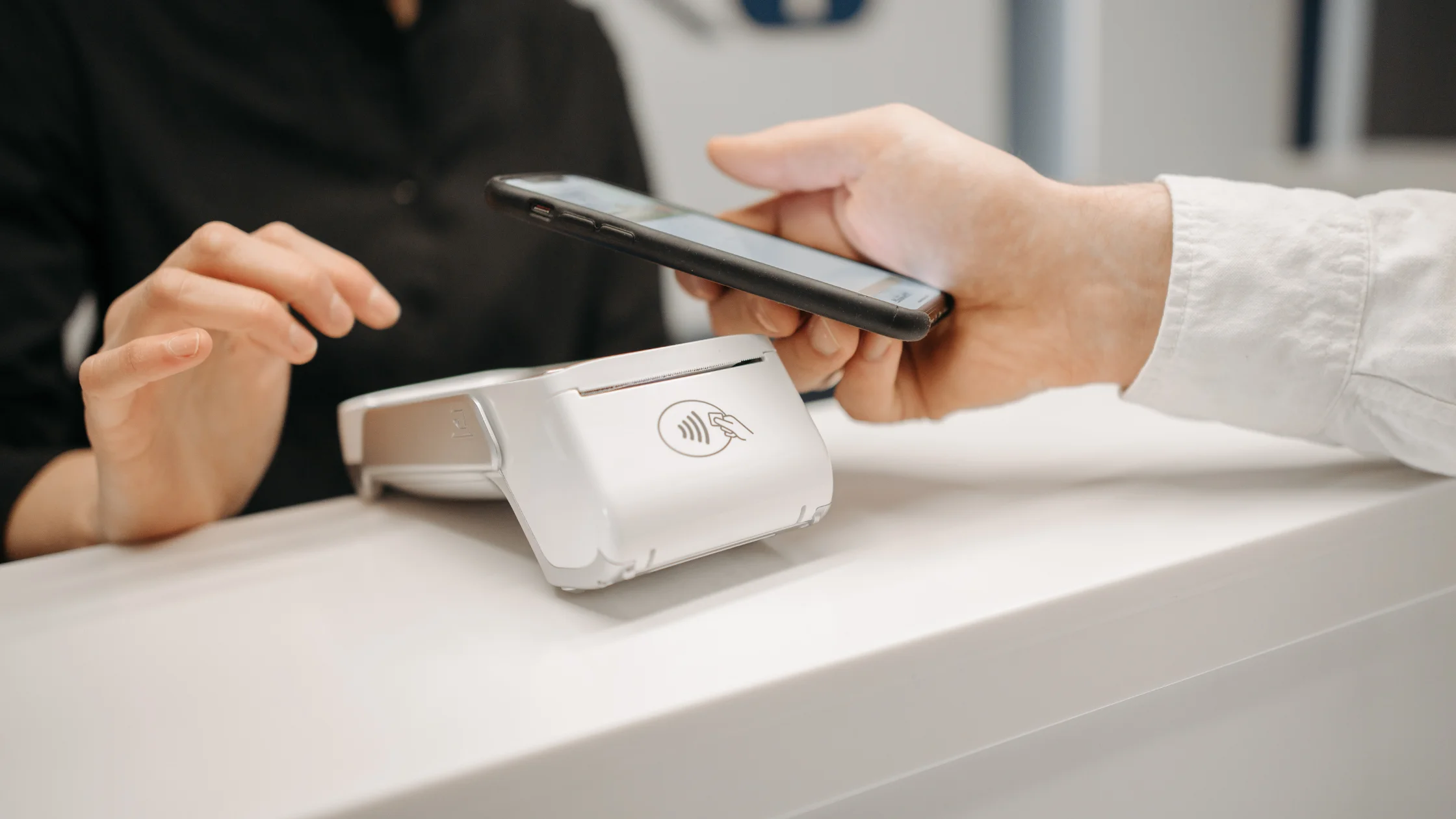
The Punjab government has announced a major incentive to encourage cashless transactions by reducing the sales tax on restaurant bills paid through digital payment methods. Under the new policy introduced by the Punjab Revenue Authority (PRA), customers who use debit cards, credit cards, mobile wallets, or other electronic payment options will pay 8% sales tax, compared to 16% on cash payments.
The decision effectively provides a 50% tax reduction for digital transactions, making electronic payments more attractive for both customers and businesses. Officials say the initiative is part of the government’s broader strategy to promote digital banking, improve tax compliance, and increase transparency in financial transactions.
The reduced tax rate applies to a wide range of food service businesses, including restaurants, cafés, coffee shops, fast-food outlets, bakeries, ice cream parlours, and other ready-to-eat food establishments. Taxes on digital transactions will be collected electronically and transferred directly to the government through the new automated system.
Punjab Restores Lifetime Pension for Widows of Government Employees
The revised policy also introduces updated tax rates for several service industries. Businesses such as beauty salons, parlours, fashion designers, cosmetic surgery clinics, plastic surgery centres, skincare clinics, and laser treatment services will now be subject to a 5% sales tax under the new framework.
The Punjab government believes the move will encourage more consumers to adopt digital payment methods while helping businesses maintain transparent financial records. Increased use of electronic payments is also expected to strengthen tax collection and reduce the informal cash economy.
Officials say the initiative supports Pakistan’s ongoing efforts to modernize its financial system and expand digital commerce across the province. Customers visiting restaurants in Punjab can now benefit from lower tax rates simply by choosing digital payment methods instead of cash, making dining out more affordable while supporting the transition toward a smarter and more transparent economy.